Tue Mar 17, 2026 | Updated 10:38 PM IST


Veteran screenwriter Salim Khan, father of actor Salman Khan, is currently on ventilator support following a minor brain haemorrhage. Doctors at Lilavati Hospital confirmed that the 90-year-old was admitted on Tuesday morning after he complained of swelling. While the situation caused concern among fans, medical experts have clarified that ventilator support does not always signal a life-threatening emergency.
Hospital authorities stated that a planned procedure was deferred after doctors assessed the extent of the haemorrhage. He has since been stabilised and is recuperating under close supervision in the Intensive Care Unit.
Doctor Jalil Parkar explained that the Digital Subtraction Angiography (DSA) performed on him is not classified as a surgical operation. He said, “He is still on a ventilator and in the ICU, but he is recovering. A Digital Subtraction Angiography (DSA) procedure was performed. His blood pressure was also high, so we kept him on a ventilator as a precaution. He is doing better now, though recovery is slow due to his age.”
A subsequent medical update added, “He is stable and fine. If all is well, he will be taken off the ventilator by tomorrow.”
View this post on Instagram
Following the news, many people associated ventilator support with critical illness. However, experts stress that this is not always the case.
According to Dr Ravindra Zore, Chief Intensivist and ICU Head at Zynova Shalby Hospital, ventilators are often used as a protective measure after procedures, especially in elderly patients. He explained that ventilator support helps maintain stable oxygen levels while the body recovers from anaesthesia, medication, or surgical stress.
A ventilator is a machine that assists breathing by supplying oxygen to the lungs and removing carbon dioxide from the body. In many cases, patients remain on ventilator support only for a few hours. The duration depends on overall health, response to treatment, and stability of vital signs.
Doctors often opt for ventilator support as a precaution when blood pressure fluctuates or when they want to ensure complete respiratory stability. Continuous ICU monitoring allows doctors to withdraw support safely once the patient’s breathing stabilises.
ALSO READ- Nipah Virus In India: Key Things To Know About Disease, and How To Stay Safe
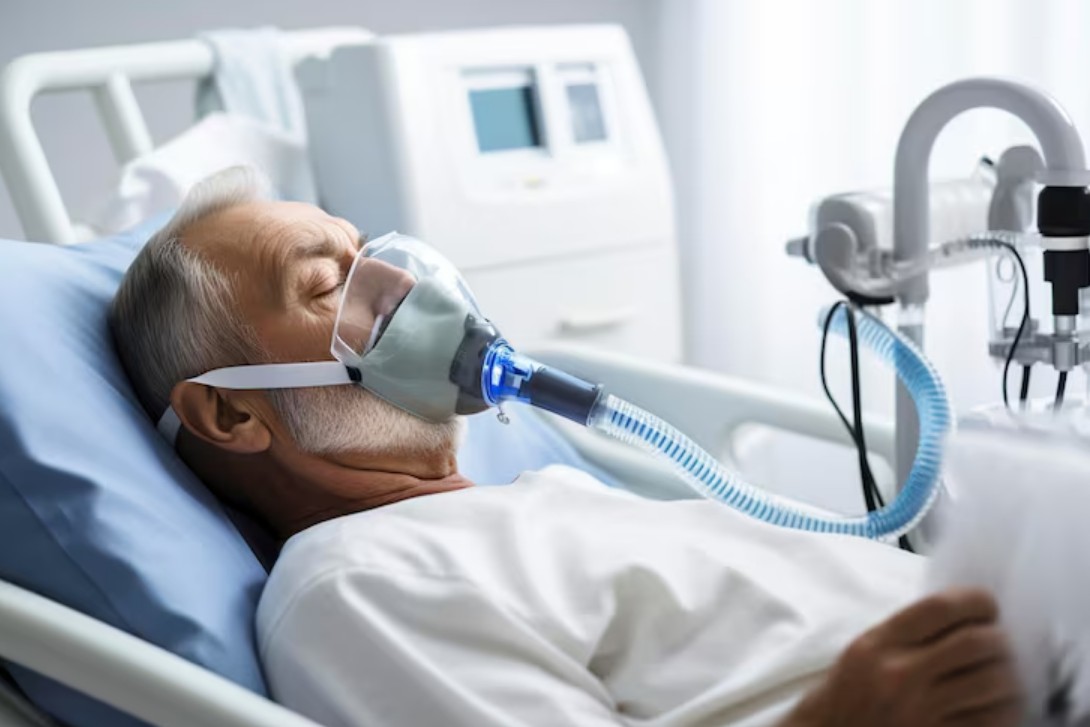
When a loved one is placed on a ventilator, it is natural to feel anxious. However, experts advise families to stay calm and avoid assuming the worst.
Maintain regular communication with the treating doctors. Ask about oxygen levels, blood pressure, and recovery progress. Understand that temporary ventilator support can be part of planned post-procedure care.
Providing emotional support and remaining patient during recovery plays a crucial role. In many cases, ventilator use is preventive and temporary, a step taken to ensure safety, not an indication of irreversible decline.
At present, doctors have confirmed that Salim Khan is stable and showing signs of gradual improvement.
ALSO READ- Cloves For Diabetes: What Happens When You Eat Cloves To Manage Blood Sugar Levels
Keep reading Herzindagi for more such stories.
Image Courtesy: Instagram
Also watch this video
Herzindagi video
Our aim is to provide accurate, safe and expert verified information through our articles and social media handles. The remedies, advice and tips mentioned here are for general information only. Please consult your expert before trying any kind of health, beauty, life hacks or astrology related tips. For any feedback or complaint, contact us at [email protected].