Sun Mar 22, 2026 | Updated 05:06 PM IST HZ Awards 2026

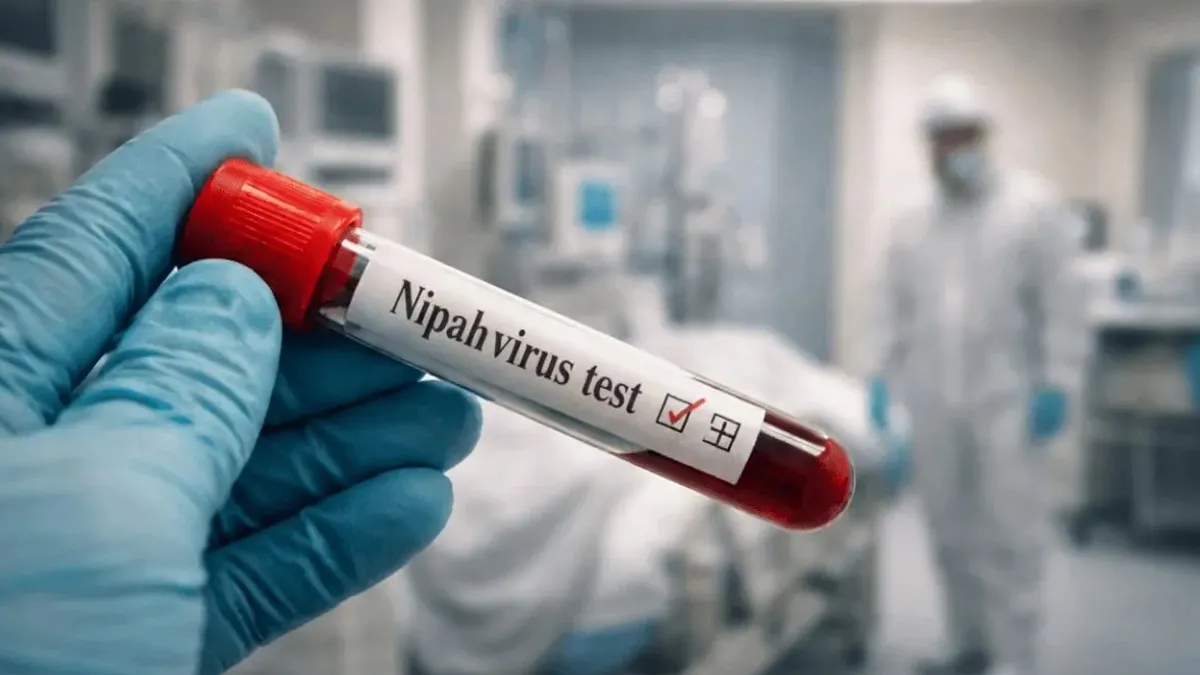
The recent flurry of messages circulating about the presence of cases of Nipah virus in India, especially West Bengal, have already caused concern. Contrary to perceptions, official figures show a much more limited occurrence. The Union Health Ministry and National Centre for Disease Control (NCDC), reported that only two cases of Nipah Virus Disease (NiVD) had been identified in the state since December 2025. Once identified, procedures to control the spread followed immediately.
Nipah virus is a serious disease yet is a rare one. Rated as a priority pathogen by the World Health Organisation (WHO) due to its very high mortality rate and propensity for outbreaks, the disease has no existing vaccine or specific antiviral medication. Despite limited case numbers, the health department emphasised the importance of early diagnosis and precautionary actions.
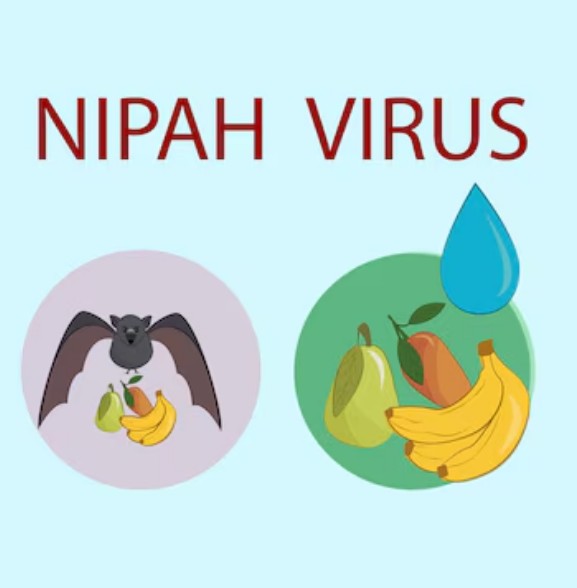
It's an infection that originates in animals called zoonotic. Its initial report was when an outbreak occurred in Malaysia in 1998 but it has been recorded sporadically intermittently in certain regions of South and Southeast Asia in the few years since. Bats are believed to be the natural hosts and the disease that is caused by infection is termed Nipah Virus Disease.
Transmission takes place either directly or indirectly from infected animals, contaminated food and infected persons. Infected fruits may contain fruit bats saliva and urine (its contents are also infectious). Direct contact with bodily secretions of an infected person can result in transmission. It has been seen to transmit among humans primarily in hospitals and households.
Consequently, some countries in Asia have heightened monitoring at airports and borders.
ALSO READ- Nipah Virus: Symptoms, Preventive Measures And Health Advisory You Must Know About
Initial signs may resemble any other normal viral infection such as fever, aches and pains, vomiting etc. With disease progression, breathing difficulties, confusion, seizures or encephalitis (brain inflammation) may be evident.
The incubation period ranges from 4-14 days, with some reports of longer durations. As there is no specific treatment, supportive therapy is employed in practice.
The following directions issued by the Ministry of Health for prevention should be followed diligently:
Follow these essential precautions to prevent Nipah Virus infection. Stay alert, stay informed, and follow advisories issued by local health authorities.#NipahVirus #PublicHealth #HealthForAll pic.twitter.com/xvZNcHx63y
— Ministry of Health (@MoHFW_INDIA) January 27, 2026
While Nipah virus sounds alarming, health officials emphasise that the current situation in India is under control. Staying informed, avoiding misinformation, and following basic hygiene and food safety practices remain the most effective ways to protect yourself and others.
ALSO READ- 7 Fibre-Rich Food Items That Do Not Cause Bloating
Keep reading Herzindagi for more such stories.
Image Courtesy: Freepik
Also watch this video
Herzindagi video
Our aim is to provide accurate, safe and expert verified information through our articles and social media handles. The remedies, advice and tips mentioned here are for general information only. Please consult your expert before trying any kind of health, beauty, life hacks or astrology related tips. For any feedback or complaint, contact us at [email protected].