Sun Mar 22, 2026 | Updated 10:17 AM IST HZ Awards 2026

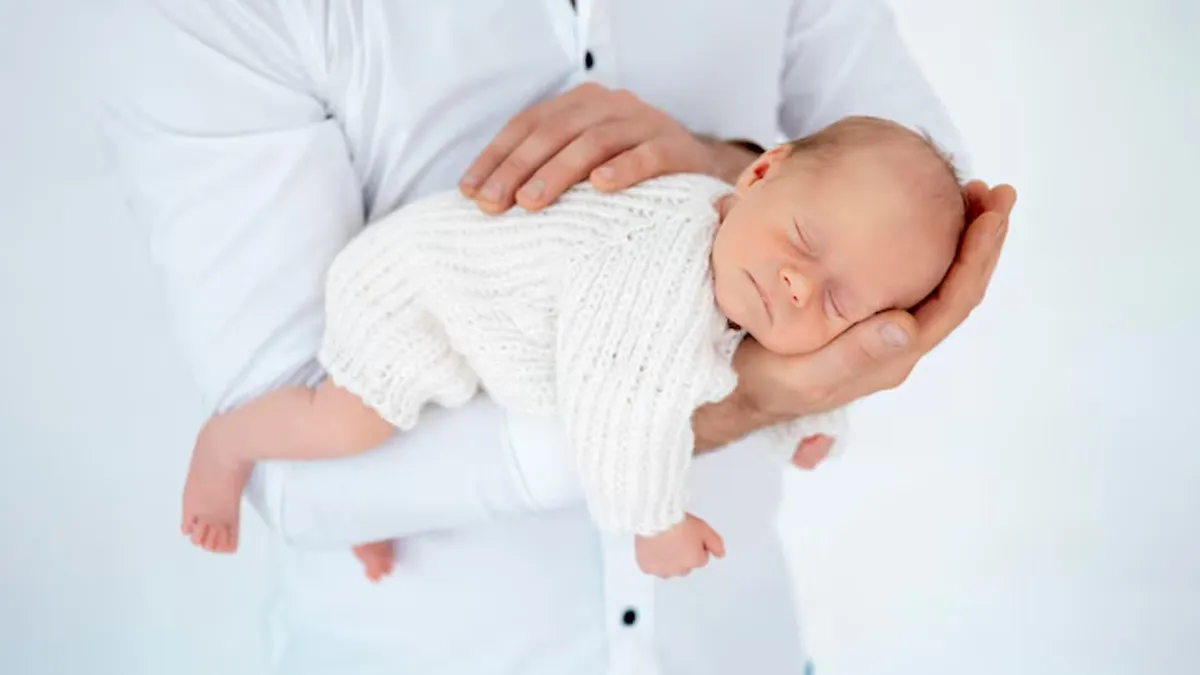
The first year of a baby’s life is a time of tremendous growth and sensitive development. Although babies seem perfectly healthy at the time of birth, some health conditions are not immediately apparent. This is where health screenings become so important.
According to Dr Amit Kumar, Consultant – Paediatrics, Max Super Speciality Hospital, Patparganj, screening at a young age can be life-changing. “Newborn screenings help us identify conditions that may not have any symptoms at the time of birth but can have a major impact on the child’s physical and intellectual development if left untreated,” says Dr Kumar.
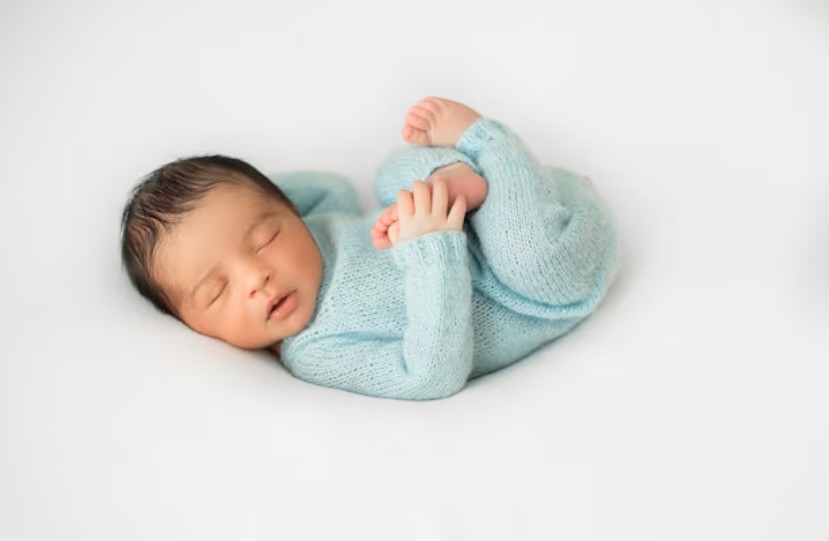
This test is usually carried out in the first 2-3 days of life. It involves taking a few drops of blood from the heel of the newborn. The test is used to check for a number of metabolic and hormonal conditions that are inherited. These include congenital hypothyroidism, G6PD deficiency, phenylketonuria, galactosaemia, congenital adrenal hyperplasia, and cystic fibrosis.
Hearing is a very important part of speaking, language understanding, and communication. It is recommended that all babies have their hearing tested, ideally before they are three months old. This begins with tests such as Otoacoustic Emissions (OAE), and if necessary, progresses to Auditory Brainstem Response (ABR) assessment. “We can intervene before speech delay issues occur if hearing issues are picked up early,” explains Dr Kumar.
This is a quick and non-invasive test that involves a small sensor placed on the baby’s hand or foot to check the level of oxygen. It can help detect serious congenital heart defects that may not have been detected in the first days of life.
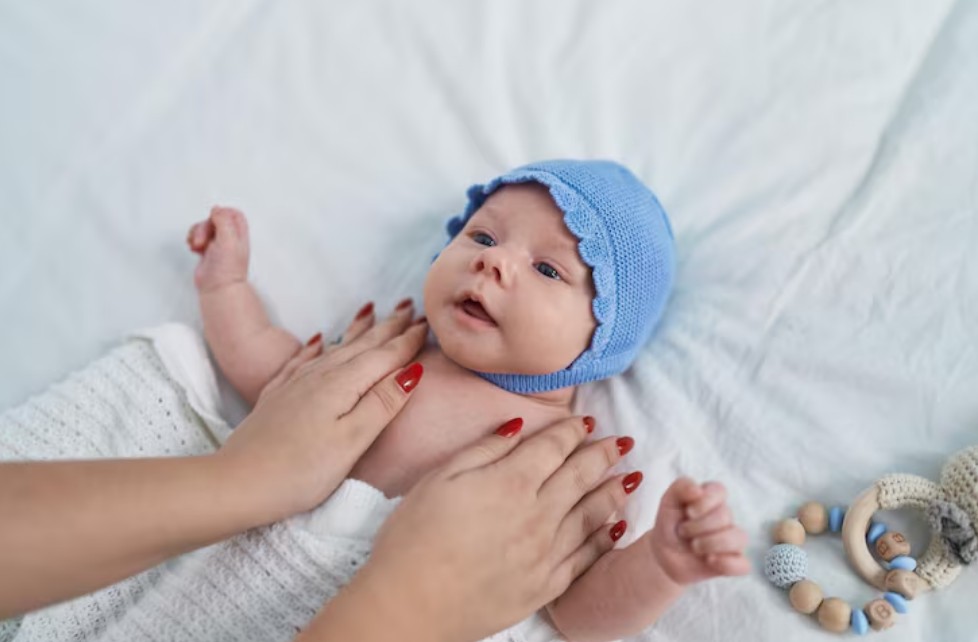
The paediatrician can monitor the child’s growth by measuring the weight, length, and head circumference of the child to ensure that the child is growing properly. The paediatrician can also monitor the development of the child’s motor skills, socialisation, and cognitive development to ensure that the child is developing normally.
The paediatrician performs a detailed examination of the child’s eyes, ears, mouth, heart, lungs, hips, and reflexes during every visit. This is done to identify any problems that the child may have, such as vision problems, hip dysplasia, or a heart murmur.
ALSO READ- Brachial Plexus Birth Injuries: What Parents Need to Know and Why Early Detection Matters
The administration of vaccines is done according to the recommended schedule to protect babies from life-threatening infections during their most vulnerable months.
Well visits for newborns are more than just medical exams. They are an opportunity for parents to inquire about infant care, sleeping patterns, safety, and their baby’s development. “Parental education is an essential part of newborn care. When parents are educated on what to expect, they are better able to meet their child’s needs,” says Dr Kumar.
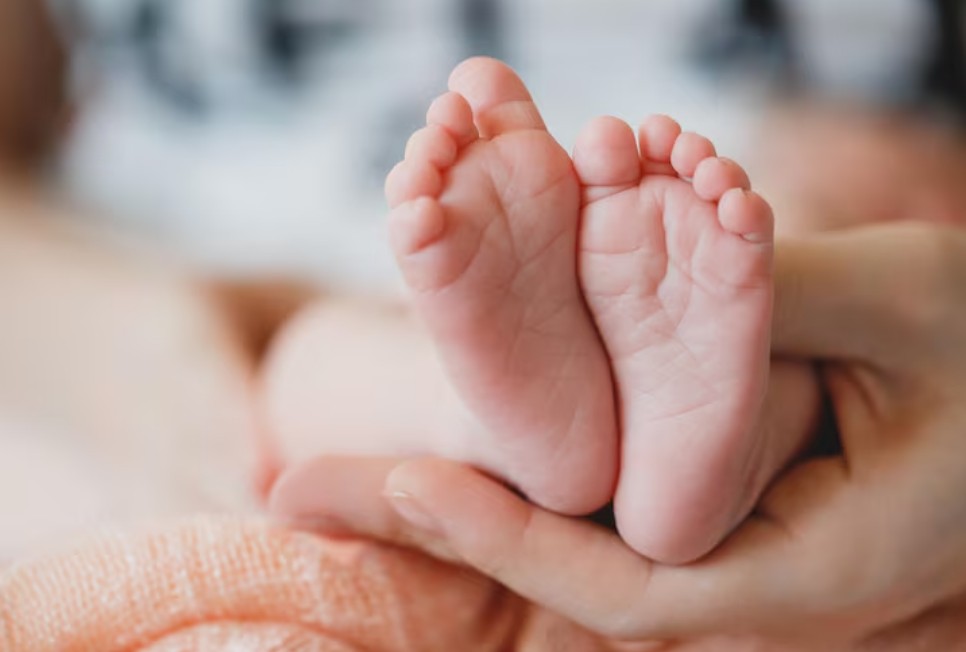
In essence, health screenings in the first year form the foundation of a child’s wellbeing. With timely tests, regular check-ups and informed parental care, many serious health issues can be prevented or effectively managed, giving babies the healthiest possible start in life.
ALSO READ- Early Pregnancy Diabetes: Risks for Mother and Baby Explained
Keep reading Herzindagi for more such stories.
Image Courtesy: Freepik
Also watch this video
Herzindagi video
Our aim is to provide accurate, safe and expert verified information through our articles and social media handles. The remedies, advice and tips mentioned here are for general information only. Please consult your expert before trying any kind of health, beauty, life hacks or astrology related tips. For any feedback or complaint, contact us at [email protected].