Wed Apr 1, 2026 | Updated 03:41 PM IST HZ Awards 2026


Spy thrillers operate within their own peculiar universe. Nation comes first. Mission comes first. Emotions? They're barely an afterthought.
And then there's ‘Dhurandhar’, a cinematic protein shake where testosterone practically froths over the screen's edge, dripping onto the audience like foam from an overfilled pint.
The teaser for ‘Dhurandhar 2’ has already dropped. A disembodied hand. Blood. Guns. A younger Hamza. Smoke, fire, and that hair, oh, that glorious mane. It's nostalgia wrapped in nationalism, served with an extra helping of nostalgia for good measure. Everything's back.
So today, we're not just discussing the sequel. We're dissecting the entire Dhurandhar universe, peeling back its slick veneer to see what lies beneath.
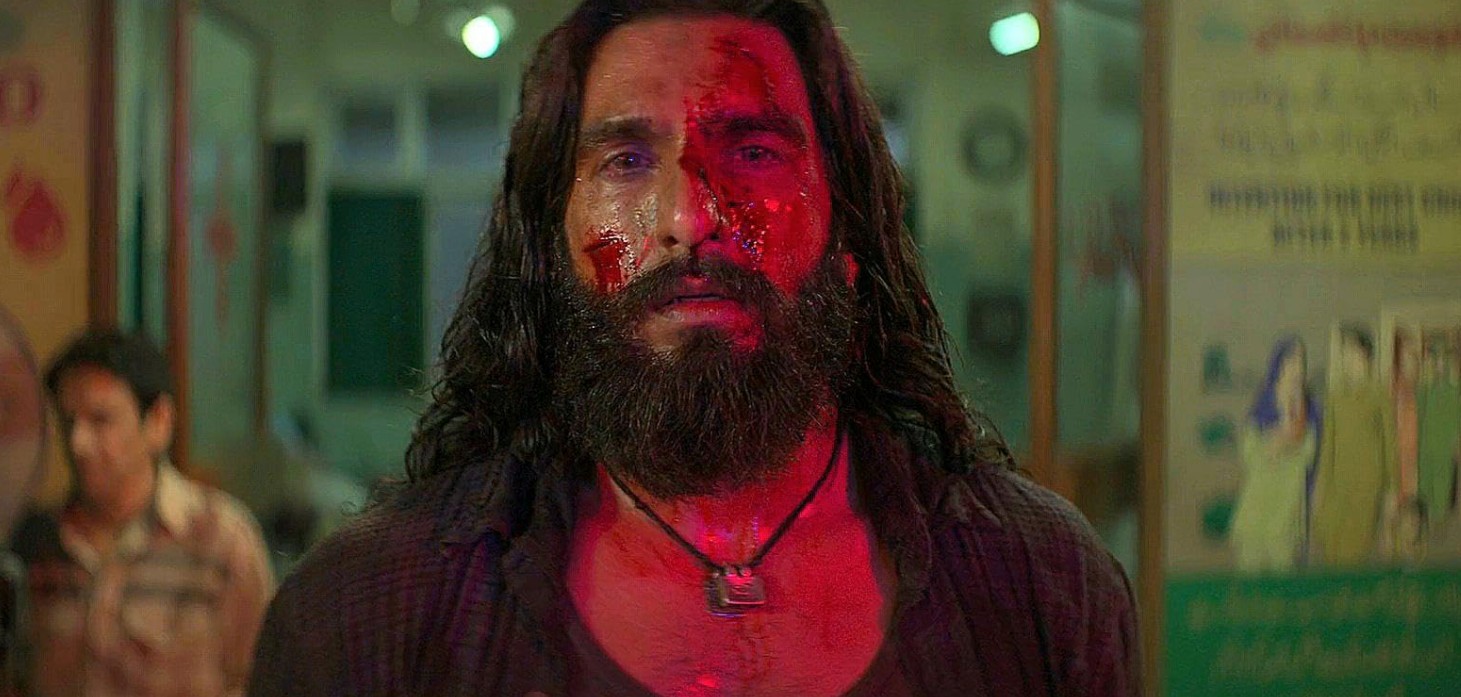
The story itself is refreshingly straightforward. Hamza Ali Ansari is an Indian spy tasked with infiltrating the Pakistani mafia. His mission: gather intelligence and keep India one step ahead. Simple enough.
But Hamza isn't merely a spy, he's a spectacle. Luscious hair that defies gravity and logic. Kohl-rimmed eyes that pierce through the screen. Deadly charm that could disarm a bomb squad. This man doesn't just infiltrate gangs; he orchestrates coups, destabilises entire systems, and sets up elaborate schemes to eliminate Rehman Dakait. And he does it all with a casual flick of those dense, wavy locks.
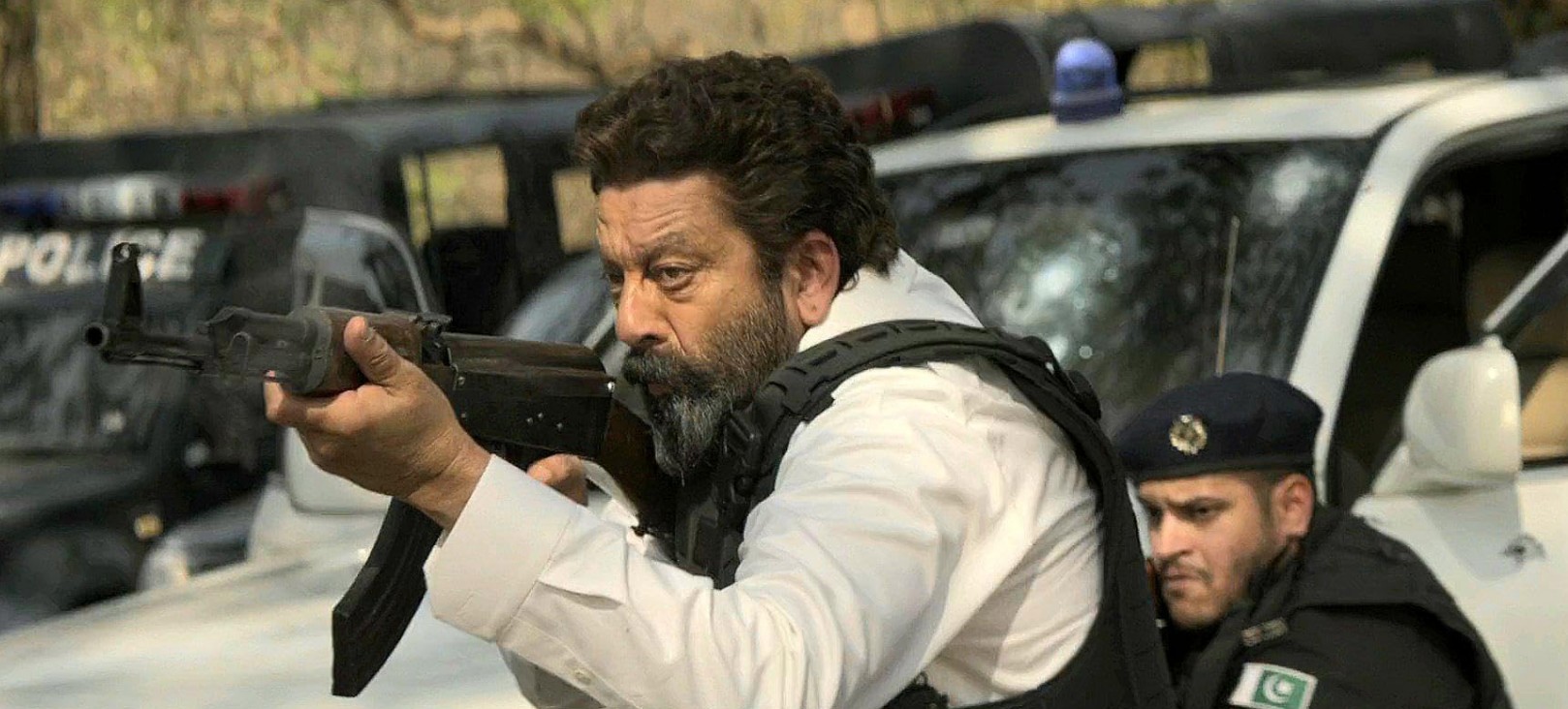
Speaking of Rehman Dakait, played brilliantly by Akshaye Khanna, here's a villain who remains charming even when drenched in gore. Dangerous, magnetic, utterly unpredictable. He's the kind of antagonist that elevates the entire film.
The setting is Pakistan. The narrative? Loaded with pure male energy from start to finish.
Chest-thumping men dominate every frame. Violence punctuates every scene, beatings, blood, torture. The music slaps with addictive beats. And yes, there's Hamza's hair again, because apparently we can't discuss this film without mentioning it.
There's a scene where ISI chief Major Iqbal, played by Arjun Rampal, literally peels the skin off an Indian spy. The camera doesn't shy away. Heads roll, and I don't mean that metaphorically. They actually show decapitated heads on the ground.
Politics. Betrayal. Brutality. Hair. It's all there, creating a testosterone storm of epic proportions.
But in this relentless maelstrom of masculinity, one question emerges: where are the women?
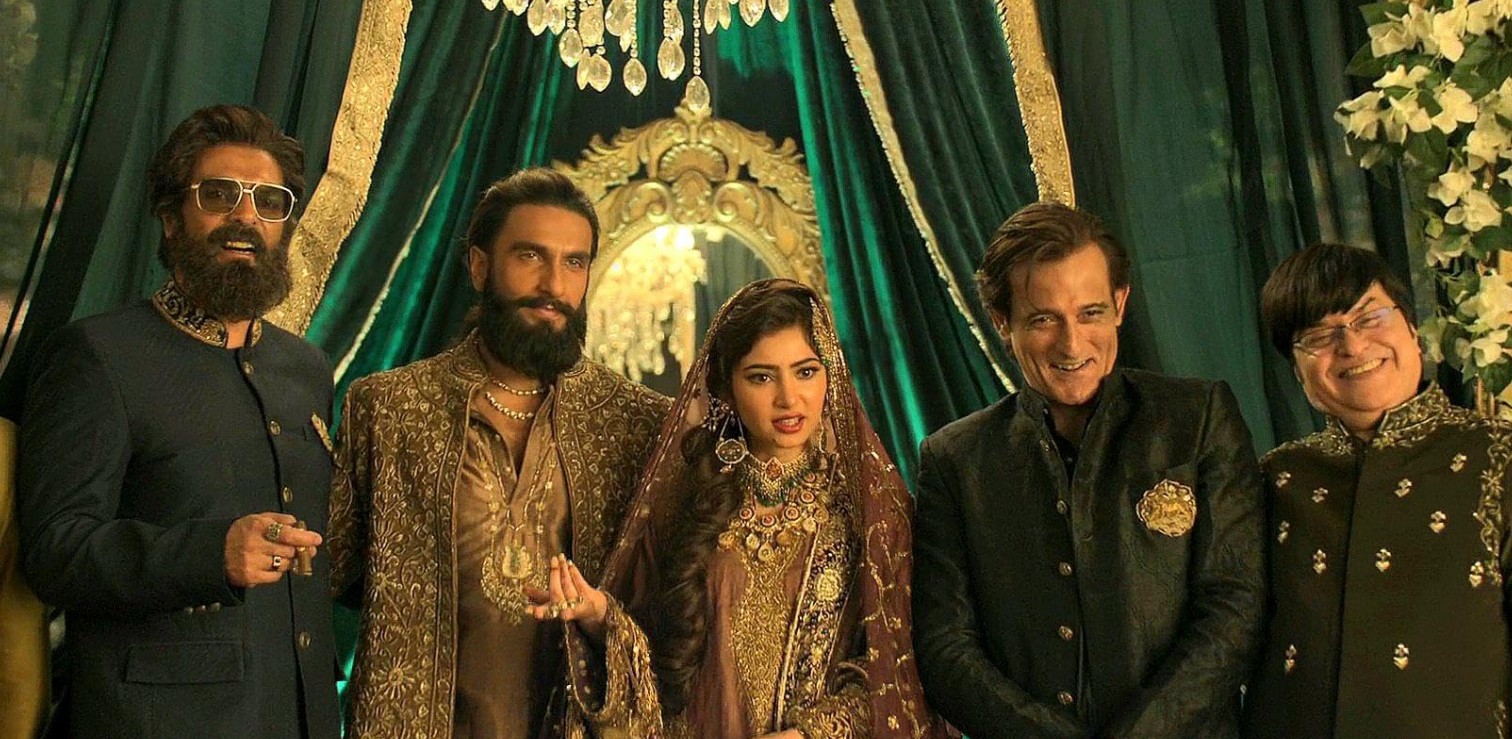
Enter Sara Arjun as Yalina Jamali. Sara is undeniably talented, with a strong screen presence that commands attention when given the chance.
But her character? Painfully shallow. She's the rebel girl who wants to become a medical student, frequents rave parties at clubs, and eventually meets her cinematic destiny, being saved by the hero. From that point forward, she shifts into surrender mode. The screenplay demands she become a pawn in Hamza's game, completely dissolving into the hero's shadow.
The romance doesn't rescue things either. Ranveer Singh at forty-plus paired with Sara at twenty feels deeply questionable. I know the story attempts to justify it. There's a political angle woven in. But as a woman watching, it feels uncomfortable. The steamy scenes don't read as merely cinematic, the gaze feels lecherous, exploitative even.
There's another woman in the film, Rehman Dakait's wife, who occupies an ostensibly important position. Her character's name? You'll barely hear it mentioned. The credits list her as Ulfat Jahan, a lovely name, actually, but the film never bothers building her identity. Everyone else gets elaborate names and backstories: Hamza Ali Mazari, SP Chaudhary Aslam. But there's no time for Ulfat when you've got item songs to squeeze in.
The two women dancing in ‘Shararat’ Ayesha Khan and Krystle D'Souza, likely received more screen time than Saumya Tandon's entire portrayal of Ulfat. To Tandon's credit, she made a significant impact with that minuscule role.
The screenplay is so consumed with men and missions that the women never even speak to each other. Not about themselves. Not about life. Not about anything, really.
Have you heard of the Bechdel Test? It's a simple measure of female representation in film. You need two women with names who have one conversation, not about a man.
Dhurandhar fails spectacularly.
Yet despite this glaring absence, the film became a massive hit. The theaters were packed. It received a double-platform OTT release. People watched it on repeat. Fandom wars erupted online.
Perhaps you'll hate me for saying this, but when cinema repeatedly portrays women as pawns, trophies, or collateral damage, audiences become conditioned to accept it. We start craving more blood, more gore, more spectacle. Humanity becomes optional. Sensitivity transforms into background noise.
The Dhurandhar universe is undeniably slick and stylish. The performances are genuinely top-notch. But when history records this franchise, it won't just be remembered as a spy saga. It will serve as a reminder of how easily spectacle devours substance, and how quietly it pushes women to the corners of the frame.
‘Dhurandhar 2’ is arriving soon. The question isn't how big it will be or how spectacular the action sequences will look. The question is: will any woman in this sequel actually get a story worth telling?
Keep reading Herzindagi for more such stories.
Image Courtesy: IMDb
Also watch this video
Herzindagi video
Our aim is to provide accurate, safe and expert verified information through our articles and social media handles. The remedies, advice and tips mentioned here are for general information only. Please consult your expert before trying any kind of health, beauty, life hacks or astrology related tips. For any feedback or complaint, contact us at [email protected].