Wed Apr 1, 2026 | Updated 12:43 PM IST HZ Awards 2026

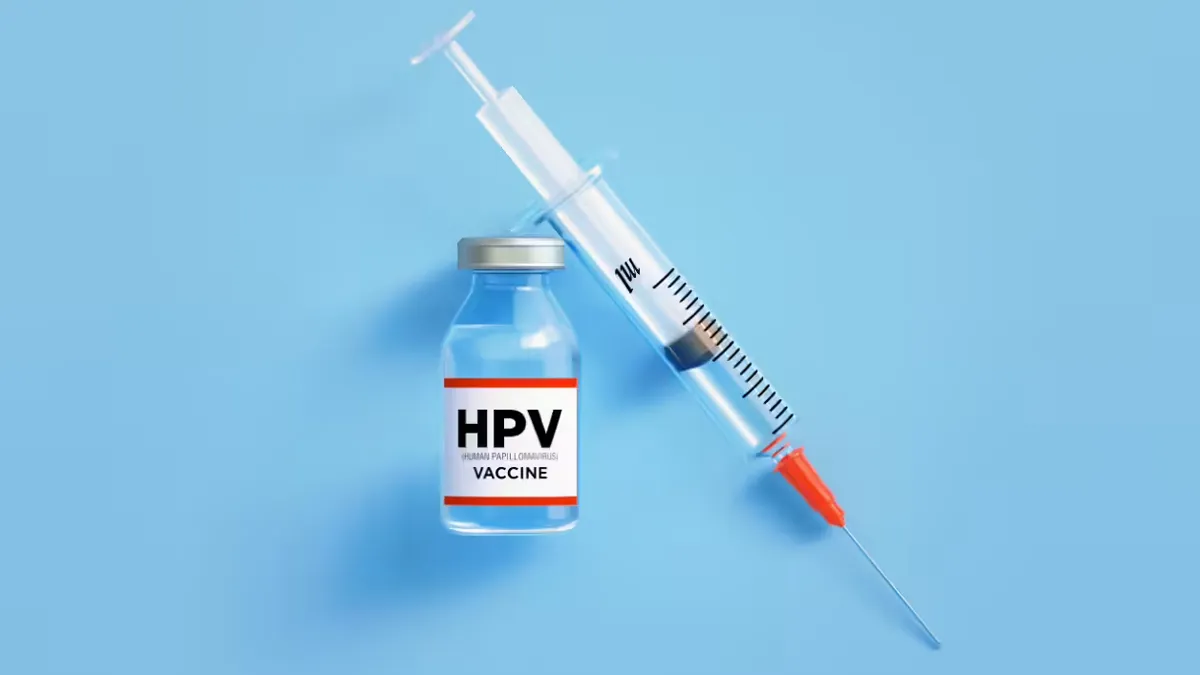
January is globally observed as Cervical Cancer Awareness Month, a timely reminder of how preventable this disease can be with the right combination of vaccination and regular screening. Cervical cancer develops slowly and is most commonly caused by persistent infection with high-risk strains of the Human Papillomavirus (HPV). With medical science offering an effective vaccine, prevention today is far more achievable than it was even a decade ago.
According to Dr Mansi Sharma, Consultant – Obstetrician and Gynaecologist at Motherhood Hospitals, Kharadi, Pune, timely HPV vaccination can significantly reduce the risk of cervical cancer as well as other HPV-related cancers. She emphasises that awareness, especially among parents and young adults, is key to increasing vaccine uptake.
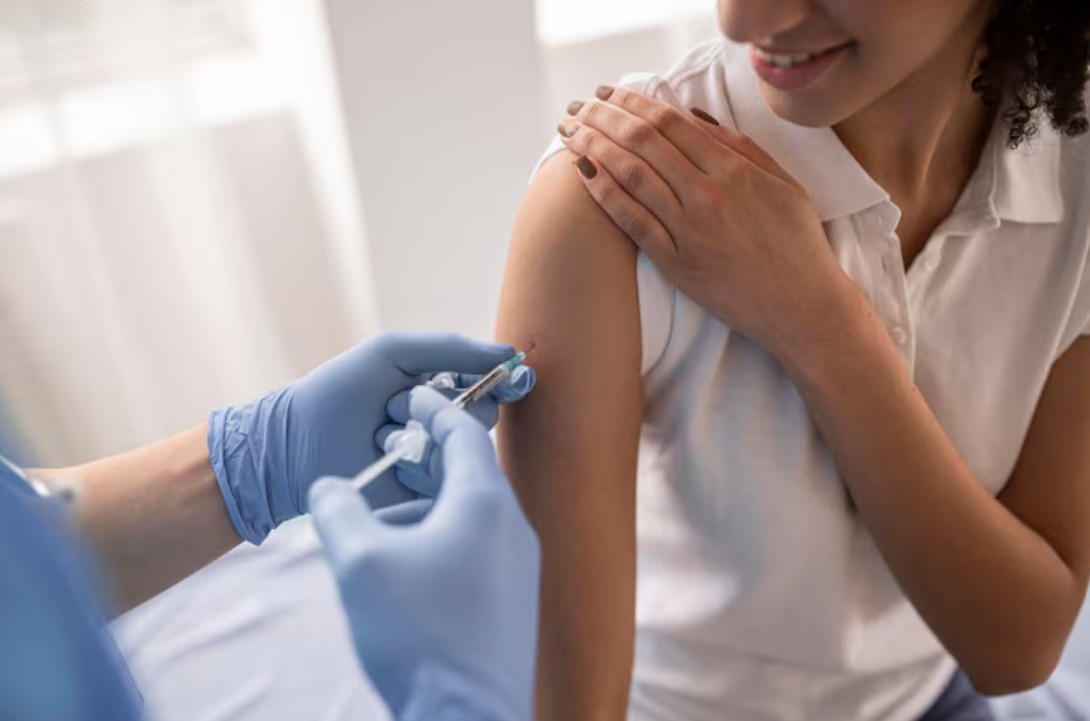
The HPV vaccine protects against multiple strains of the Human Papillomavirus, including high-risk types known to cause cervical cancer, and low-risk types responsible for genital warts. Dr Sharma explains that the vaccine is most effective when administered before sexual exposure, as it prevents the virus from ever establishing infection. However, even sexually active individuals can benefit, depending on age and prior exposure.
The number of doses depends largely on the age at which vaccination begins. For females aged 9-14 years, two doses are usually sufficient, given several months apart. A three-dose schedule (0, 1–2, and 6 months) is recommended for girls and women starting the series at age 15 or older. Dr Sharma advises sticking strictly to the schedule suggested by your doctor to ensure maximum protection.
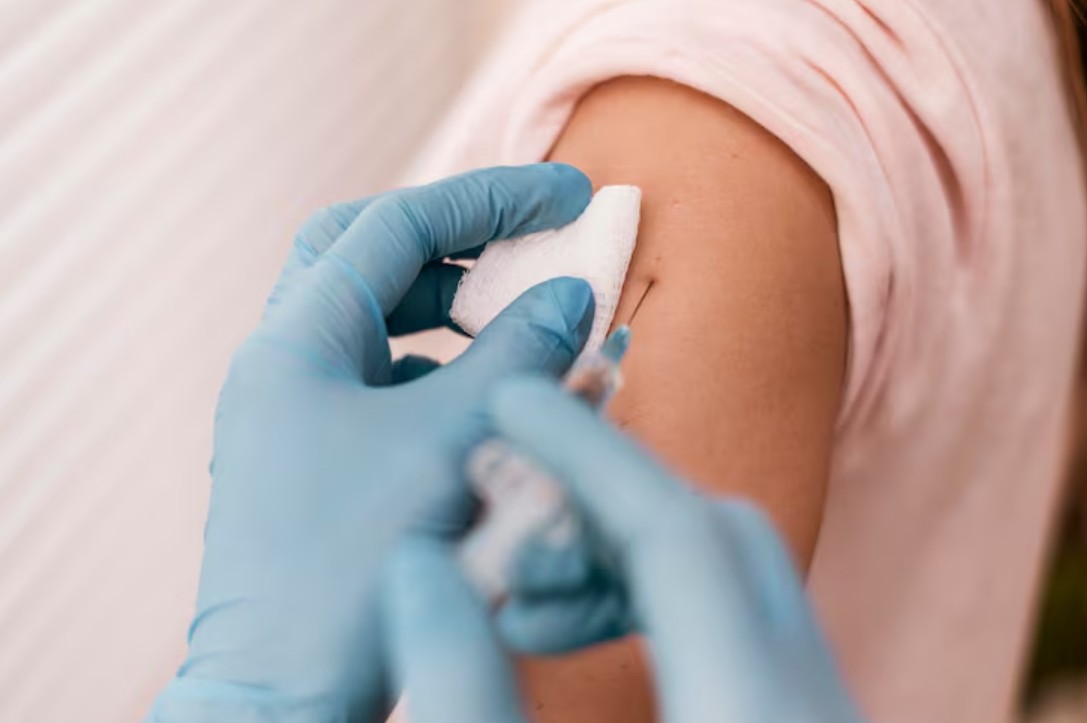
Most side effects are mild and temporary. Common reactions include pain, redness or swelling at the injection site, mild fever, headache, fatigue, or nausea. While mild reactions can occur, serious side effects are rare. “The HPV vaccine has been studied extensively and is considered very safe,” says Dr Sharma, adding that the benefits far outweigh the minimal risks associated with vaccination.
The cost of the HPV vaccine varies depending on the brand and type. Older versions like Gardasil (quadrivalent) may cost between ₹3,000 and ₹4,000 per dose. Newer versions, such as Gardasil 9, which offer broader protection, can range from ₹7,000 to ₹10,000 per dose. Overall, vaccine prices may fall between ₹1,800 and ₹10,000 per dose, depending on availability and location.
ALSO READ- Watch Out For These Symptoms And Get Screened To Reduce Your Risk Of Cervical Cancer
HPV vaccines are widely available at hospitals, gynaecology clinics, paediatric clinics and vaccination centres across India. Dr Sharma recommends consulting a qualified gynaecologist or physician to discuss suitability, clarify doubts and plan the dosage schedule.

Cervical cancer is one of the few cancers that can be actively prevented. As Cervical Cancer Awareness Month reminds us, timely vaccination, combined with regular screening, can save lives. Taking informed action today can make a lasting difference to long-term women’s health.
ALSO READ- Gynecologic Cancer Prevention: 6 Expert-Recommended Lifestyle Changes Every Woman Should Adopt
Keep reading Herzindagi for more such stories.
Image Courtesy: Freepik
Also watch this video
Herzindagi video
Our aim is to provide accurate, safe and expert verified information through our articles and social media handles. The remedies, advice and tips mentioned here are for general information only. Please consult your expert before trying any kind of health, beauty, life hacks or astrology related tips. For any feedback or complaint, contact us at [email protected].