Tue Mar 17, 2026 | Updated 09:03 PM IST

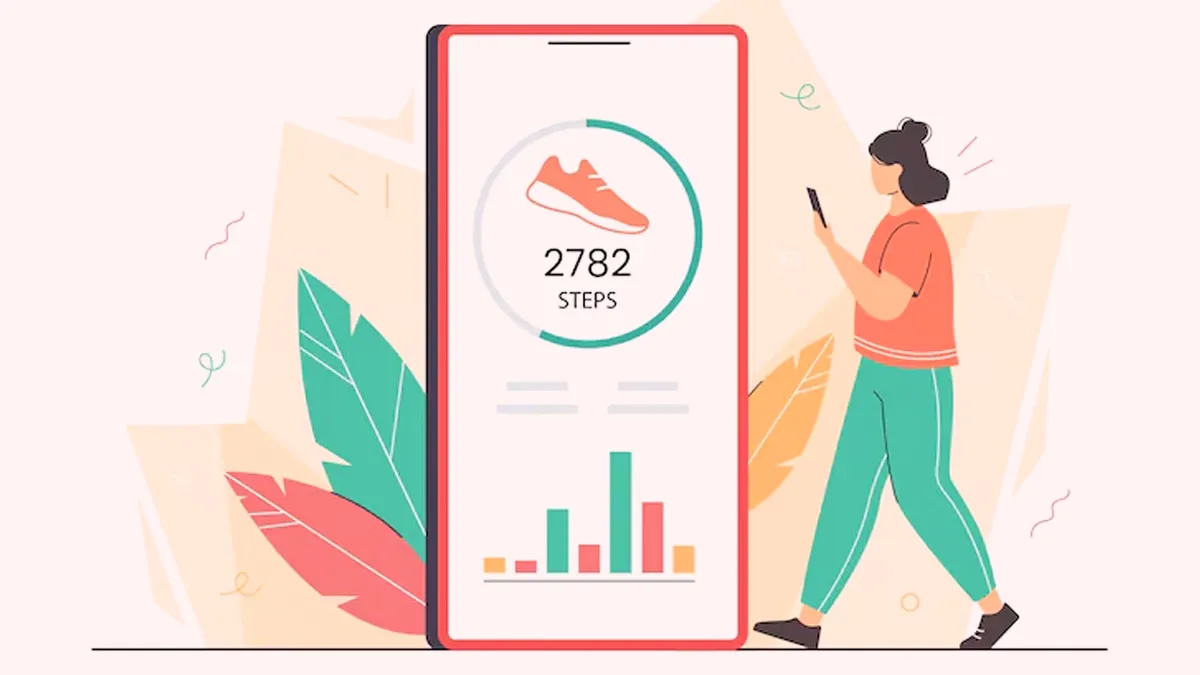
The goal of walking 10,000 steps per day has become something of a global health anthem. It's featured on smartwatches and central to office fitness challenges, and the number carries an almost authoritative, clinical weight. But, in reality, how much of it is based on science, and to what extent will it really keep your heart healthy?
According to Dr Priya Palimkar, Senior Consultant - Cardiology, Sahyadri Super Speciality Hospital, Nagar Road, Pune, the answer is more complex than a simple yes or no.
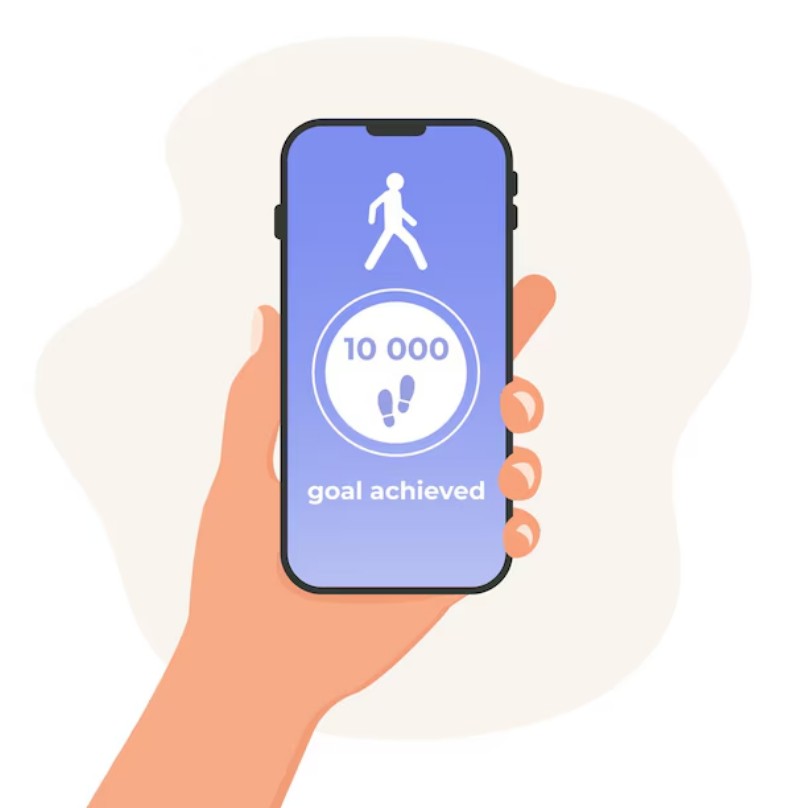
Dr Palimkar reveals that the 10,000-step recommendation is not rooted in clinical research.
"The target of 10,000 steps was first established in Japan before the 1964 Tokyo Olympics. It was the launch of a pedometer called 'Manpo-kei', meaning '10,000-step meter', which served as a marketing tool to encourage activity rather than a specific scientific or medical finding," she elaborates.
Although it originated from a commercial endeavour, this figure has achieved worldwide recognition, successfully prompting many to become more active, something the modern lifestyle critically needs.
While the number may not have a scientific basis, the positive impacts of walking on your cardiovascular system are undeniably real.
Dr Palimkar stresses that consistent, brisk walking improves blood circulation, lowers blood pressure, optimises cholesterol levels, and enhances insulin sensitivity.
“With regular walking, you address several cardiovascular risk factors simultaneously," she explains. "This significantly reduces your risk of heart disease, heart attacks, and stroke."
Walking also plays a pivotal role in weight management. Excess body weight, especially in the abdominal region, is a known risk factor for hypertension and coronary artery disease. By contributing to calorie expenditure and improving metabolism, daily walking contributes to long-term heart health.

Surprisingly, studies suggest that you don't always need to reach five figures to experience positive outcomes.
"Research has shown that even 7,000 to 8,000 steps a day can substantially reduce your risk of heart disease," states Dr Palimkar. "What's more important is the consistency rather than rigidly adhering to a specific number."
This means that consistency is key, rather than stressing about hitting a perfect score. Even for largely inactive individuals, a gradual increase in their daily movement can yield significant health benefits.
ALSO READ- Key Health Screenings Every Newborn Should Receive in the First Year
The benefits of walking extend beyond just physical well-being; it also has a positive impact on your mental health by reducing stress levels and improving sleep quality, both of which are crucial for cardiovascular health.
Chronic stress and inadequate sleep contribute to increased blood pressure and inflammation. A simple walk each day can serve as a natural stress reliever, promoting both mental and physical health.
"If you have heart disease or significantly problematic joint pain, you should consult your doctor before increasing your physical activity levels," she recommends. "Every individual's exercise plan should be tailored to their specific needs."

Although the 10,000-step target may have begun as a marketing gimmick, it has since transformed into a useful reminder that movement is indeed medicine.
You don't need to achieve exactly 10,000 steps daily to protect your heart. What's truly essential is establishing a sustainable habit, taking more steps than the previous day, and maintaining consistency.
ALSO READ- Difference Between ADHD, Autism and Overlapping Traits in Children: Expert Explains
Keep reading Herzindagi for more such stories.
Image Courtesy: Freepik
Also watch this video
Herzindagi video
Our aim is to provide accurate, safe and expert verified information through our articles and social media handles. The remedies, advice and tips mentioned here are for general information only. Please consult your expert before trying any kind of health, beauty, life hacks or astrology related tips. For any feedback or complaint, contact us at [email protected].