Wed Apr 1, 2026 | Updated 11:12 AM IST HZ Awards 2026

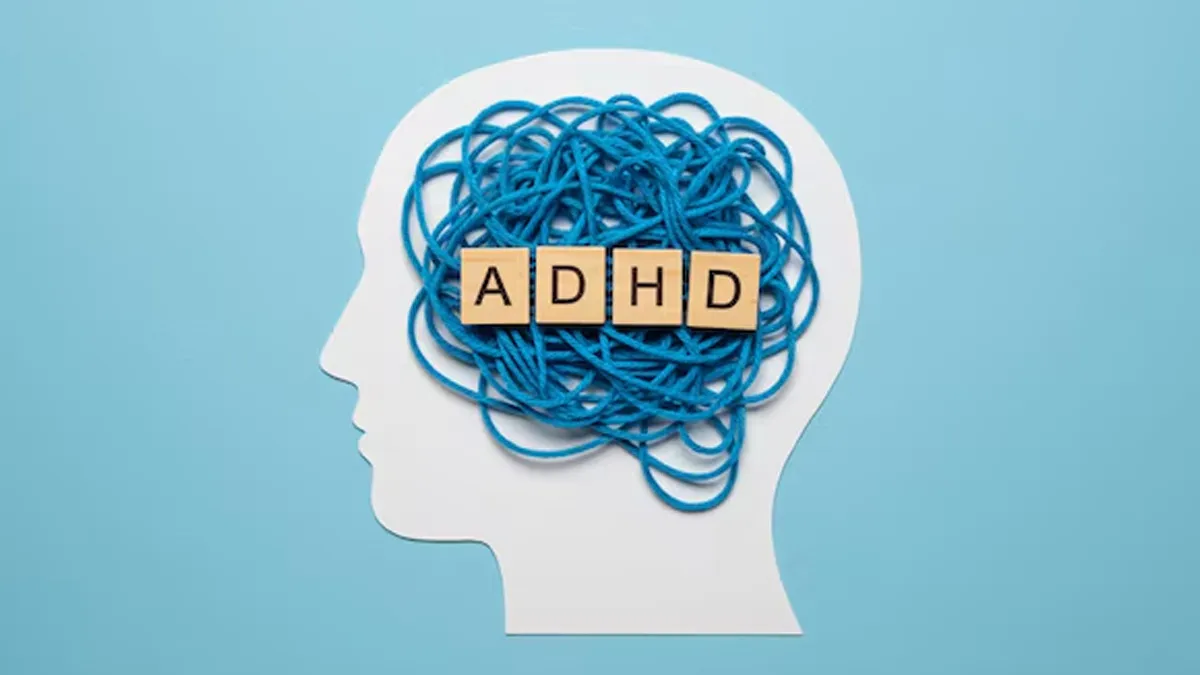
When a child struggles to sit still, misses social cues, or finds it hard to follow instructions, adults often focus on the disruption rather than the distress behind it. What appears to be defiance, laziness, or immaturity may, in fact, reflect bigger neurodevelopmental differences such as Attention-Deficit/Hyperactivity Disorder (ADHD) or Autism Spectrum Disorder (ASD).
Dr Sonam Kothari, Pediatric Neurologist and Co-founder of Butterfly Learnings, says it is crucial to look beyond surface behaviours. “A child who cannot sit still, misses social cues, or struggles to follow instructions is often judged by what they disrupt rather than what they experience,” she explains. “These behaviours are frequently attributed to poor attention, defiance, or immaturity, when they may instead reflect underlying neurodevelopmental differences.”
While medical textbooks classify ADHD and autism as distinct conditions, real-life presentations are rarely so clear-cut. Many children display traits that overlap, which can delay identification and support.
Autism affects how a child communicates, builds relationships and responds to their surroundings. Children on the spectrum may struggle to interpret facial expressions, tone of voice or unwritten social rules. Some develop speech later than their peers or use language in repetitive or literal ways. Many depend heavily on routines and predictability, and even small changes can cause distress. Sensory sensitivities to noise, light, textures or touch are also central to the autistic experience.
ADHD, by contrast, primarily affects attention regulation, impulse control and activity levels. Children with ADHD may find it difficult to stay focused, remain seated or complete multi-step instructions. Their language development is usually typical, but they may speak rapidly, interrupt others or act without thinking. Socially, they are often eager to connect, yet impulsivity can disrupt friendships and classroom behaviour.
ALSO READ- PCOS, PCOD And Pre-Diabetes: How These Conditions Are More Connected Than You Think
At first glance, ADHD and autism can look similar. However, the underlying reasons differ.
“A child with autism may concentrate intensely on a specific interest and struggle to shift focus,” Dr Kothari notes. “In ADHD, attention tends to be inconsistent and easily pulled away by distractions.”
Social challenges also stem from different roots. Children with autism may genuinely find it difficult to understand social expectations or interpret other people’s emotions. Meanwhile, children with ADHD generally grasp social rules but struggle to follow them consistently because of impulsivity or inattention.
Emotional responses vary, too. In ADHD, outbursts are often brief and linked to frustration. In autism, distress may arise from sensory overload, communication barriers or unexpected changes in routine.
Repetitive behaviours further distinguish the two. In autism, repetitive actions or strict routines provide comfort and predictability. In ADHD, repetitive movements such as fidgeting usually signal restlessness rather than a desire for sameness.

Despite these distinctions, overlap is common. Difficulties with executive functioning, including planning, organisation, working memory and emotional regulation, appear in both conditions.
“Children’s lived experiences rarely fit neatly into diagnostic categories,” says Dr Kothari. “Many show a blend of traits, moving between impulsivity and a strong need for routine, social curiosity and social uncertainty.”
Research indicates that 30 to 80 per cent of children with autism also meet the criteria for ADHD. Similarly, 20 to 50 per cent of children with ADHD show traits consistent with autism. In the past, diagnostic guidelines did not allow both conditions to be identified together, which delayed proper recognition and intervention.

Today, specialists increasingly advocate for comprehensive developmental assessments. Identifying whether a child’s challenges stem from ADHD, autism or both enables more targeted support — whether that involves structured routines and sensory strategies, or behavioural and attention-focused interventions.
Ultimately, early and accurate understanding can transform a child’s educational experience, emotional wellbeing and long-term development. As Dr Kothari emphasises, seeing the child beyond the label is the first and most important step.
ALSO READ- Key Health Screenings Every Newborn Should Receive in the First Year
Keep reading Herzindagi for more such stories.
Image Courtesy: Freepik
Also watch this video
Herzindagi video
Our aim is to provide accurate, safe and expert verified information through our articles and social media handles. The remedies, advice and tips mentioned here are for general information only. Please consult your expert before trying any kind of health, beauty, life hacks or astrology related tips. For any feedback or complaint, contact us at [email protected].