Sun Mar 22, 2026 | Updated 10:10 AM IST HZ Awards 2026

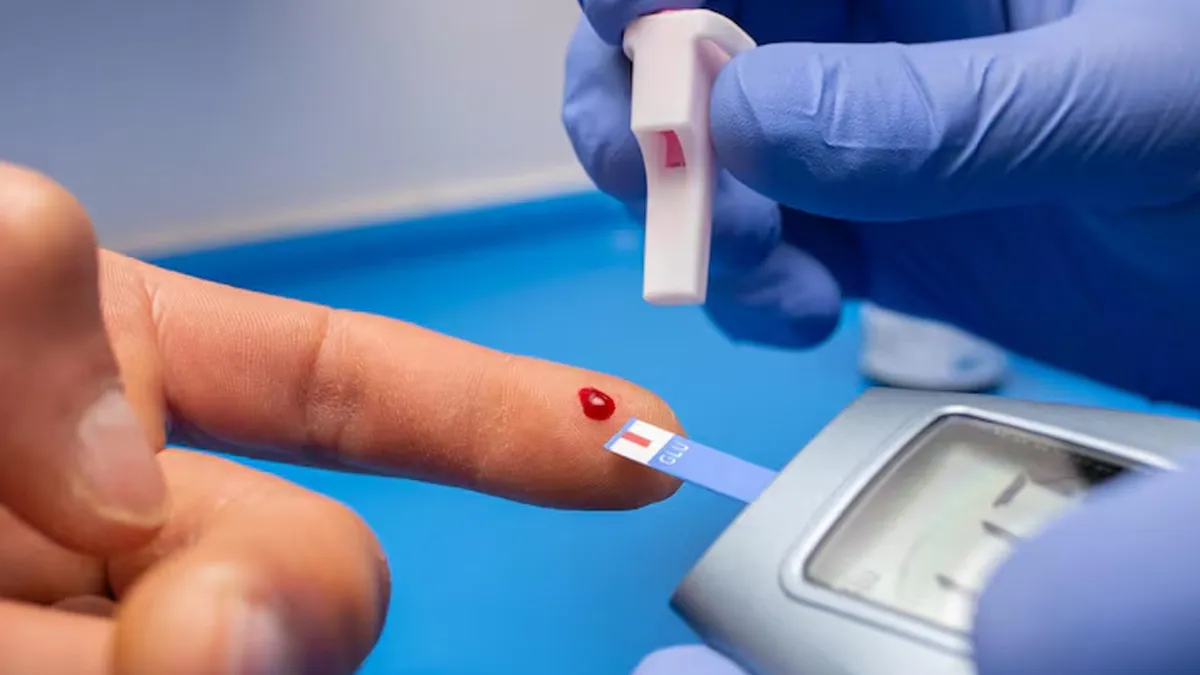
PCOS, PCOD, and pre-diabetes are increasingly common diagnoses among young and middle-aged women, particularly in urban settings. While they are often treated as separate health issues, these conditions are closely interconnected through one underlying factor: insulin resistance. Understanding this link is crucial for early intervention and long-term metabolic health.”
According to Dietician Vidhi Chawla, Founder of FISICO Diet and Aesthetic Clinic, “Insulin is a hormone that helps glucose enter cells to be used for energy. In insulin resistance, the body’s cells stop responding efficiently to insulin, leading to higher blood sugar levels. To compensate, the pancreas produces more insulin. This chronically elevated insulin state lies at the heart of PCOS, PCOD, and pre-diabetes.”
In PCOS and PCOD, high insulin levels stimulate the ovaries to produce excess androgens (male hormones). This hormonal imbalance disrupts ovulation, leading to irregular periods, acne, excessive facial hair, and difficulty conceiving. At the same time, insulin promotes fat storage—particularly around the abdomen—which further worsens hormonal imbalance.

When insulin resistance progresses unchecked, blood glucose levels begin to rise, eventually resulting in pre-diabetes. Many women with PCOS or PCOD develop pre-diabetes in their 20s or 30s, often without obvious symptoms. This metabolic overlap explains why weight gain, fatigue, sugar cravings, and mood fluctuations are common across all three conditions.
Sedentary routines, erratic eating patterns, high stress levels, poor sleep, and ultra-processed diets significantly contribute to insulin resistance. Crash dieting or excessive cardio can further stress the hormonal system, making symptoms worse rather than better. Genetics may increase susceptibility, but lifestyle factors often determine whether these conditions manifest and progress.

Left unaddressed, the PCOS–PCOS-pre-diabetes link increases the risk of type 2 diabetes, cardiovascular disease, infertility, and long-term hormonal disturbances. The good news is that insulin resistance is highly responsive to lifestyle changes, especially when addressed early.
Balanced meals with adequate protein, fibre, and healthy fats help stabilise blood sugar and insulin levels. Strength training and regular movement improve insulin sensitivity more effectively than extreme calorie restriction. Stress management and consistent sleep support hormonal regulation, while medical monitoring ensures timely intervention when needed.

PCOS, PCOD, and pre-diabetes are not isolated conditions—they are part of a metabolic continuum. Recognising their shared root cause empowers women to move beyond symptom management and focus on sustainable, preventive care for long-term health.
Image credits: Freepik
ALSO READ- Best Ways To Remove Facial Hair, According To Experts
If you liked this story, then please share it. To read more such stories, stay connected to HerZindagi.
Also watch this video
Herzindagi video
Our aim is to provide accurate, safe and expert verified information through our articles and social media handles. The remedies, advice and tips mentioned here are for general information only. Please consult your expert before trying any kind of health, beauty, life hacks or astrology related tips. For any feedback or complaint, contact us at [email protected].