Tue Mar 17, 2026 | Updated 10:18 PM IST

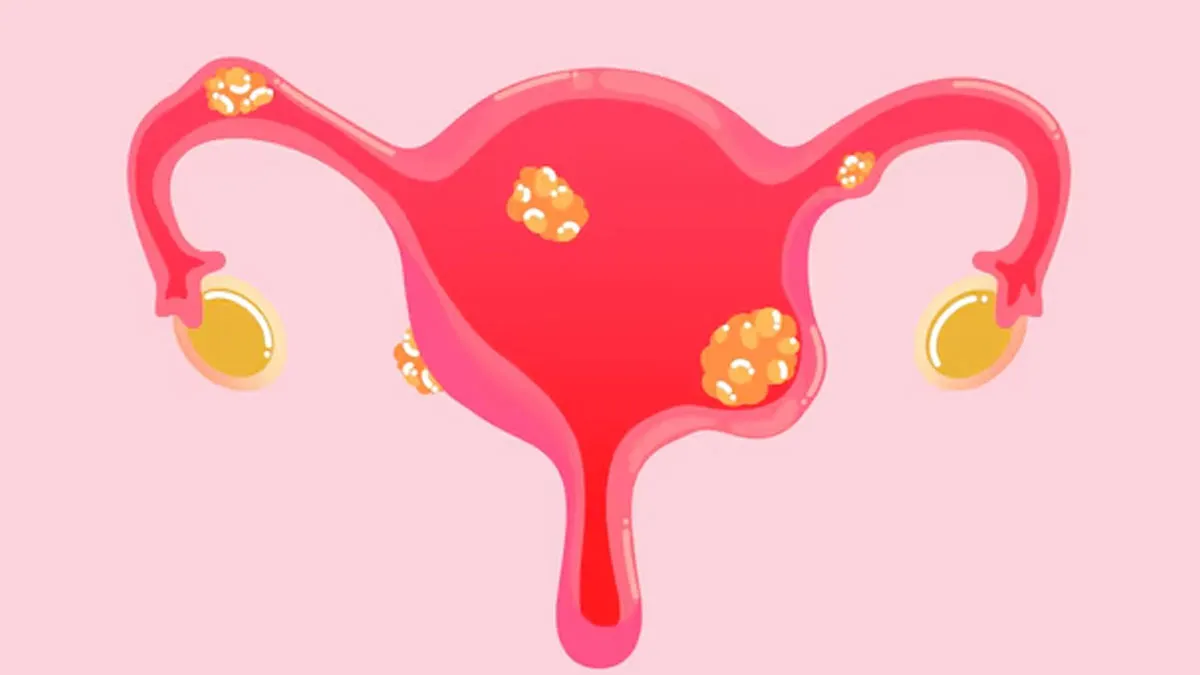
The word fibroids often triggers anxiety, especially among women who are planning to conceive. Social media myths and half-baked advice can make the situation worse, leading many to assume that fibroids automatically mean infertility. However, that is far from the complete picture.
According to Dr Soumya Shetty, Fertility Specialist at Nova IVF Fertility, Chembur, Mumbai, having fibroids does not necessarily make it difficult to get pregnant. In fact, many women with fibroids conceive naturally and go on to have healthy pregnancies. The key lies in understanding the size, type, and location of the fibroid.
Fibroids are extremely common, particularly during the reproductive years. Some women may not even realise they have them until a routine ultrasound reveals their presence.
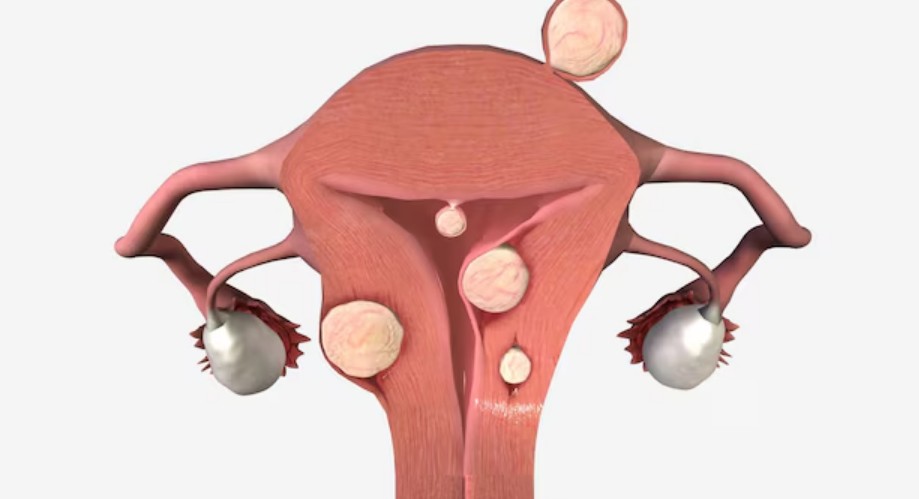
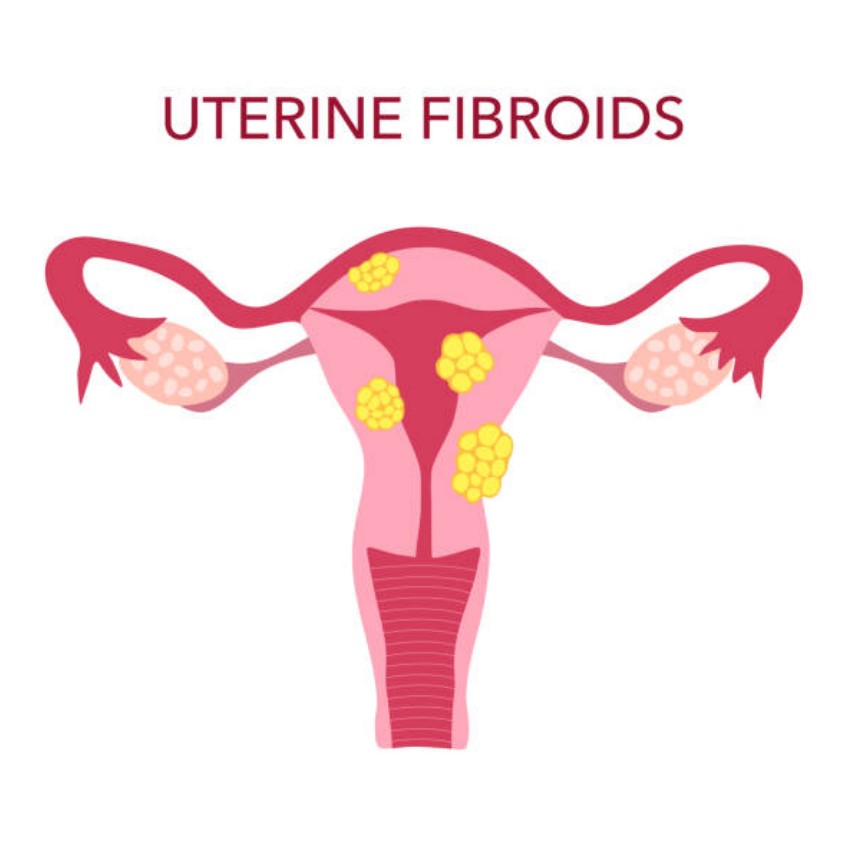
Fibroids are non-cancerous growths that develop in or around the uterus. Doctors also refer to them as uterine leiomyomas. They can vary in size, from tiny growths that are barely noticeable to larger masses that may cause symptoms.
There are three main types of fibroids based on their location:
Each type affects the body differently. This is why a diagnosis does not automatically translate into a fertility problem.
ALSO READ- Can 10,000 Steps a Day Protect Your Heart? Expert Advice
Dr Shetty stresses that location matters more than mere presence. Fibroids on the outer surface of the uterus (subserous) typically do not interfere with sperm movement or embryo implantation. Many women with such fibroids conceive without difficulty.
Size also plays an important role. Small fibroids often cause no symptoms and may not affect pregnancy at all. In many cases, women discover them incidentally during pregnancy scans.
A significant number of women with fibroids conceive naturally without requiring treatment. Surgery or medical intervention is not always necessary. If fibroids do not cause heavy bleeding, severe pain, or fertility issues, doctors may simply recommend monitoring them over time.
When fibroids do interfere with conception, particularly submucosal fibroids that distort the uterine cavity, modern treatments can help while preserving fertility. Procedures such as myomectomy, hysteroscopic fibroid removal, and laparoscopic myomectomy aim to remove the fibroid while keeping the uterus intact.
Doctors diagnose fibroids through ultrasound scans, pelvic examinations, hysteroscopy, and, in some cases, MRI scans. Every case is unique. The impact on fertility depends on individual factors rather than a one-size-fits-all rule.
The most important message is simple: fibroids do not automatically mean infertility. Many women with fibroids become mothers without complications. Instead of panicking, consult a qualified fertility specialist who can assess your specific situation and guide you appropriately.
Clear information, timely medical advice, and personalised care make all the difference.
ALSO READ- What Happens When You Skip Protein For Breakfast?
Keep reading Herzindagi for more such stories.
Image Courtesy: Freepik
Also watch this video
Herzindagi video
Our aim is to provide accurate, safe and expert verified information through our articles and social media handles. The remedies, advice and tips mentioned here are for general information only. Please consult your expert before trying any kind of health, beauty, life hacks or astrology related tips. For any feedback or complaint, contact us at [email protected].