Tue Mar 17, 2026 | Updated 10:26 PM IST

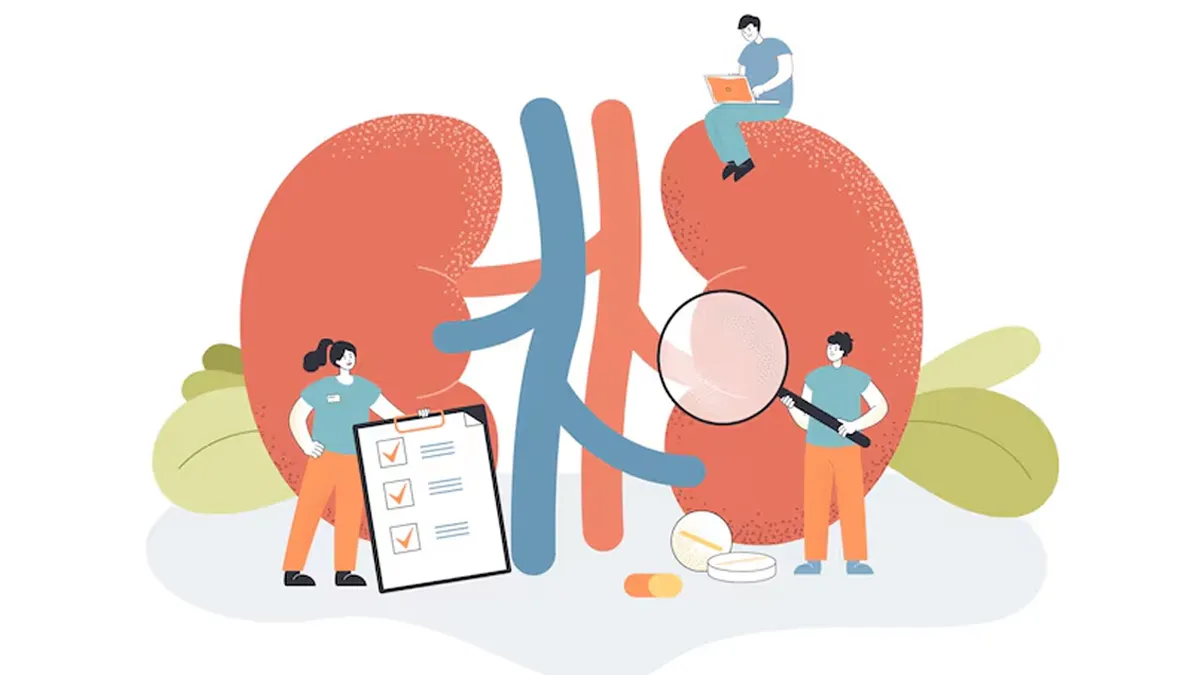
Can Excess Protein Harm Your Kidneys: Protein is one of the nutrients we all hear about, from gyms to doctors to nutrition chats at home. It helps build muscles, keeps immune systems strong and supports many body functions. But can eating too much protein actually harm your kidneys? To know in detail, we spoke to Dr Sachin Karkamkar, Consultant - Orthopaedic Surgeon, Sahyadri Super Specialty, Hadapsar, Pune, who shared insights on how excess protein affects the body, the connection with uric acid, and who really needs to be careful. Let’s break it down for you with expert insights:
Your kidneys filter waste from your blood and help remove it through urine.
They also balance fluids, acids and minerals like sodium and potassium.
Normal kidneys are strong and handle this filtering day in and day out.
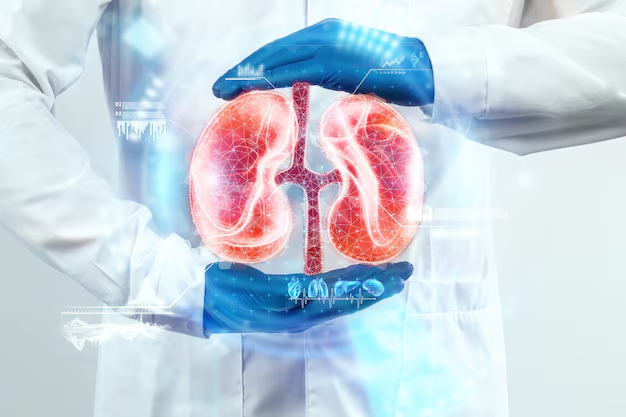
For most healthy people, protein even more than normal doesn’t directly damage kidneys. Health research shows that if your kidneys are already working well, they can handle increased protein without harm. Dr Sachin Karkamkar shared, “When discussing protein, it is important to understand that it is not the actual cause, but rather how much and where you get your protein from will create a higher chance of having higher levels of uric acid if you do not consume enough water or do not have normal functioning kidneys as well as overeating.”
People with existing kidney problems should be careful. Too much protein can increase pressure on the kidneys and make them work harder. Experts often advise a tailored diet in these cases.
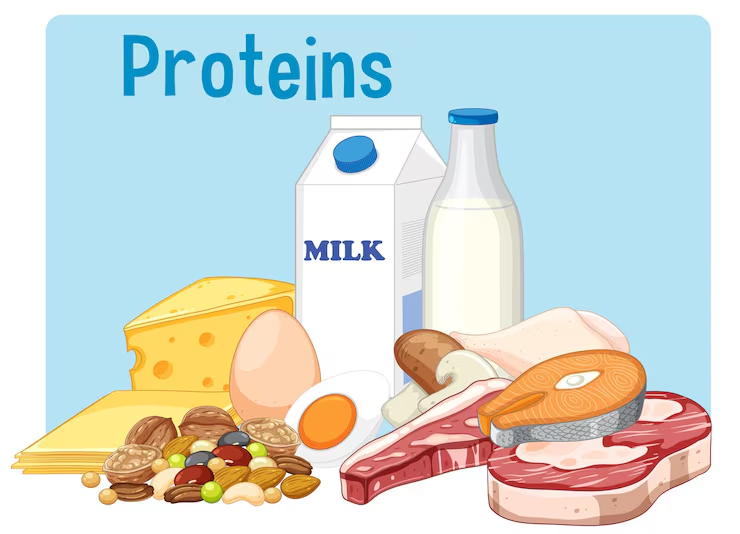
Protein-rich foods especially red meat, organ meat and some seafood - contain something called purines. When purines break down in the body, they produce uric acid. Dr Sachin Karkamkar explains, “In the orthopaedic field, we frequently observe that patients experiencing joint pain often consume diets that are excessively high in protein, particularly red meat and some other animal-sourced proteins. These foods contain purine(s), which result in uric acid when metabolized within the body.”
Normally your kidneys clear uric acid well. But if levels get too high, a few things can happen:
Uric acid can crystallise and form stones in the kidneys.
It may increase the risk of gout, a very painful joint condition linked with high uric acid.
The workload on kidneys increases slightly as they remove extra acids.
So, the link isn’t that protein itself “poisons” your kidneys - it’s more about how your body processes certain proteins and how much hydration and balance you maintain.
ALSO READ- IVF Explained: Why Embryo Quality Alone Isn’t Enough For Pregnancy
Here are things people sometimes notice when protein intake is too high or unbalanced:
Dehydration
Bloating or digestive discomfort
Bad breath
Fatigue
Risk of kidney stones over time if hydration is low
If you have persistent symptoms, it’s best to check with a doctor.
ALSO READ- Cloves For Diabetes: What Happens When You Eat Cloves To Manage Blood Sugar Levels
Balance your meals
Include a mix of plant and lean animal proteins
Eat plenty of fruits and vegetables
Don’t overload on protein supplements
Stay hydrated
Get Regular checkups
Dr Sachin Karkamkar notes, “Those who experience chronic swelling, stiffness or having significant pain in their joints, especially during the night, should have serum uric acid levels checked along with reviewing their dietary habits.”
Especially if you have health conditions like diabetes, high blood pressure, or a history of kidney stones, make sure you consult your doctor.
For more such stories, stay tuned to HerZindagi.
Image credit: Freepik
Also watch this video
Herzindagi video
Our aim is to provide accurate, safe and expert verified information through our articles and social media handles. The remedies, advice and tips mentioned here are for general information only. Please consult your expert before trying any kind of health, beauty, life hacks or astrology related tips. For any feedback or complaint, contact us at [email protected].