Tue Mar 17, 2026 | Updated 07:31 PM IST

-1773301928215.webp)
Are your kids really hungry and getting the required nutrients for their growing bodies? Indian households have a common myth to force-feed their children until the food is over. Home-cooked meals are a top priority for Indian parents, often considered the foundation of healthy eating. However, experts reveal that even well-filled plates often lack micronutrients, such as iron and zinc, essential for children.
Prateek Rastogi, Co-Founder and CEO of Better Nutrition, explains that the real issue often lies with the quality and diversity of food and not the quantity. Therefore, balanced and nutritious meals are important for their children’s healthy growth. Here are five common nutrition mistakes that Indian parents unknowingly make, along with simple ways to address them for better growth and development of their children.
-1773304106720.jpg)
Many parents ensure their children eat enough, yet national data continues to show high levels of iron deficiency and anaemia among Indian children. The issue is not always quantity, but quality. Staple-heavy diets built around rice and wheat provide energy but may lack sufficient iron, zinc, and other essential micronutrients. Processing methods such as polishing and refining can further reduce nutrient levels. As a result, a child may feel full but still experience ‘hidden hunger’.
Parents should prioritise dietary diversity and include iron-rich and nutrient-dense foods in daily meals.

Nutrition trends often shape parenting decisions, particularly through social media influence. However, imported ‘superfoods’ are not automatically nutritionally superior to local options. Many traditional Indian foods, such as peanuts, lentils, and millets, are naturally rich in protein, iron, fibre, and healthy fats.
Instead of chasing global food fats, parents should prioritise seasonal and locally available foods. Nutritional value depends on overall composition and balance, not popularity or presentation.

Organic foods can reduce exposure to certain pesticides, which is beneficial. However, organic does not necessarily mean higher micronutrient content. Nutrient density depends on factors such as soil quality, crop variety, farming practices, and breeding methods.
Parents should look beyond labels and focus on dietary diversity, balanced meals, and understanding the specific nutrients their children require, rather than relying solely on a specific food category.
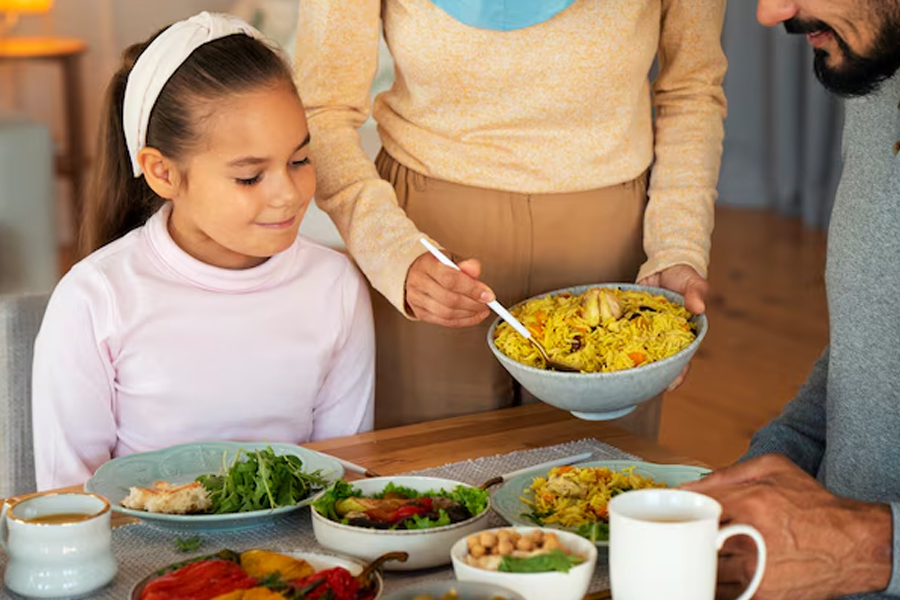
Scientific research shows that iron deficiency in children can affect memory, attention span, and learning capacity. Zinc also plays a critical role in brain development, neural communication, and immune function. These micronutrients are foundational not just for physical growth but for cognitive performance as well.
Improving the nutrient quality of everyday staples, including iron-rich foods, biofortified crops, and millets, which have also received national encouragement in recent years, can support better cognitive development without requiring drastic dietary changes. Small, consistent improvements in daily nutrition often make a meaningful long-term difference.

Modern parenting often involves comparison and pressure, amplified by social media. Many parents constantly question whether they are making the right nutritional choices. However, good nutrition is not about perfection or reacting to trends. It is about making informed, consistent decisions. Trust your instincts, stay informed, and focus on gradually improving what goes onto your child’s plate. Sustainable habits matter more than momentary fixes.
-1773303707139.jpg)
For more such stories, follow HerZindagi!
Image Credit: LinkedIn, Freepik
Also watch this video
Herzindagi video
Our aim is to provide accurate, safe and expert verified information through our articles and social media handles. The remedies, advice and tips mentioned here are for general information only. Please consult your expert before trying any kind of health, beauty, life hacks or astrology related tips. For any feedback or complaint, contact us at [email protected].