Tue Mar 17, 2026 | Updated 08:59 PM IST

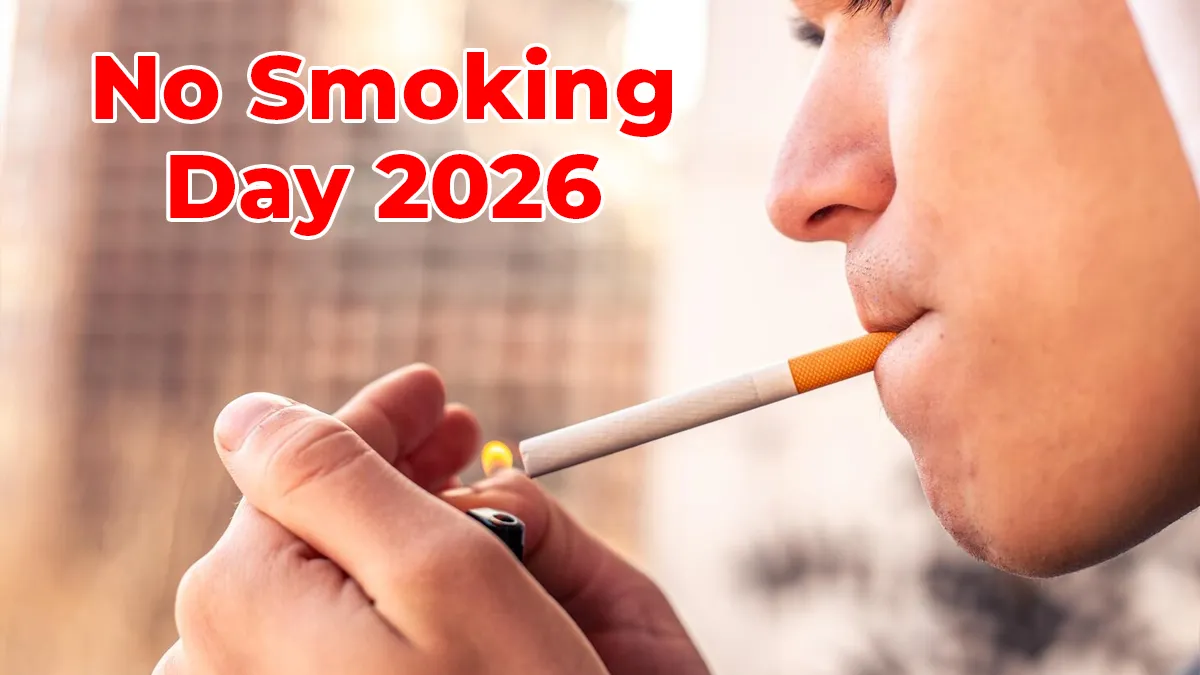
No Smoking Day 2026 is observed every year on the second Wednesday of March with a symbolic reminder of the dramatic effect of smoking on both oral and overall health. To encourage smokers to quit, this day is observed today on March 11, 2026, with the theme, 'A Smoke-Free Life Starts With A Smoke-Free Day'. The awareness day highlights the hidden and long-term health risks associated with tobacco and urges people to take the first step towards quitting.
While smoking is linked to lung diseases and other chronic illnesses, it can cause long-term and irreversible oral damage if overlooked. According to Dr Smriti Pandey, Director, Patient Care Services and HOD (Dental), tobacco smoke contains thousands of harmful chemicals that directly affect the gums, tongue, and the whole oral system.
Smoking has remained one of the greatest but avoidable causes of oral deterioration all over the world. Smoking exposes the mouth to thousands of harmful chemicals found in cigarettes and other tobacco substances. It slowly destroys the soft tissues of the mouth, decreases the blood flow to the gums, and lowers the natural ability of the body to resist infections. Subsequently, smokers are exposed to many chances of experiencing gum disease, loss of teeth, bad breath, and slow healing after dental surgeries.

One of the most serious long-term effects of smoking is periodontal (gum) disease, a progressive infection that destroys gums and supporting bone of the teeth. This condition is mostly silent in smokers since the usual symptoms of bleeding or swollen gums are not evident due to the low blood supply. Consequently, the disease can advance without any notice until the loss of bones becomes serious, making teeth loose and consequently resulting in loss of teeth.
-1773213607979.jpg)
Smoking also contributes greatly to oral cancer, which may affect the lips, tongue, cheeks, floor of the mouth, and throat. When the body is constantly exposed to tobacco carcinogens, it results in abnormal changes in the cells, which, with time, can turn into malignant growths. The disease may not cause pain in its early stages, and its development may go undetected before it gets advanced. When consumed with alcohol, long-term smokers have several-fold higher chances of developing oral cancers as compared to non-smokers.
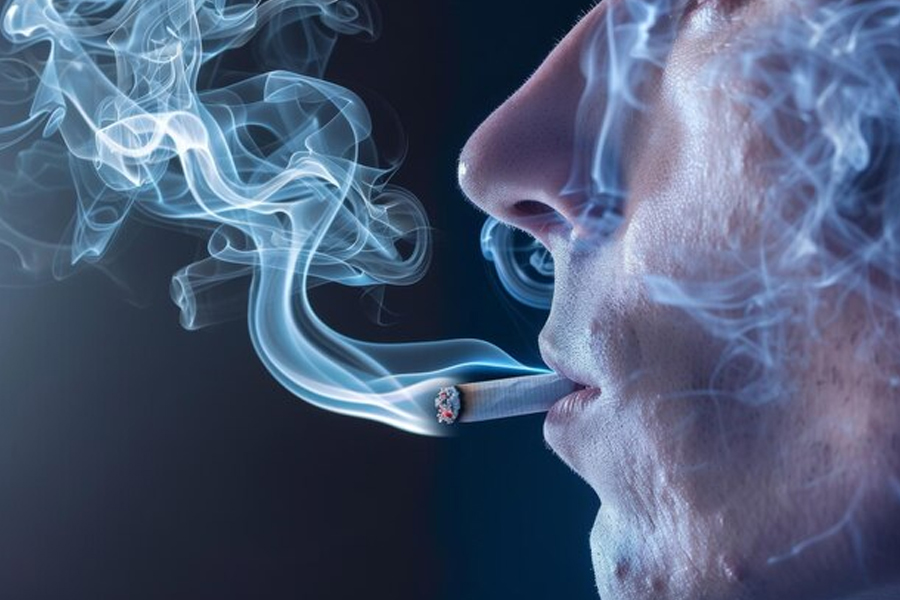
Apart from serious medical conditions, smoking gradually affects the appearance and function of the mouth. Tobacco causes serious staining of teeth, chronic bad breath, loss of taste, and dry mouth. These changes occur because chemicals in tobacco smoke can alter saliva production and disrupt the natural ecology of oral bacteria. In the long run, smokers can suffer frequent cavities, enamel erosion, and fungal infections like oral candidiasis. Also, the success of dental implants and restorative treatments among smokers is much lower due to bone healing impairment.
ALSO READ- Why Sitting Has Become The New Smoking: How Poor Posture Is Quietly Affecting Urban India
Dr Pandey emphasises that quitting smoking at any stage can bring noticeable improvements over time. Early termination not only decreases the chances of advanced dental-related complications but also decreases the chances of having life-threatening oral cancers. Dental check-ups, dental cleaning, and medical consultation in time will also be necessary for those who smoke or used to smoke before. Taking these proactive measures can safeguard overall health in the future.
-1773213458485.jpg)
ALSO READ- 19-Minute 34-Second Viral Video Raises Serious Safety Concerns, Police Issue Advisory
For more such stories, follow HerZindagi!
Image Credit: Freepik
Also watch this video
Herzindagi video
Our aim is to provide accurate, safe and expert verified information through our articles and social media handles. The remedies, advice and tips mentioned here are for general information only. Please consult your expert before trying any kind of health, beauty, life hacks or astrology related tips. For any feedback or complaint, contact us at [email protected].