Wed Apr 1, 2026 | Updated 08:31 AM IST HZ Awards 2026

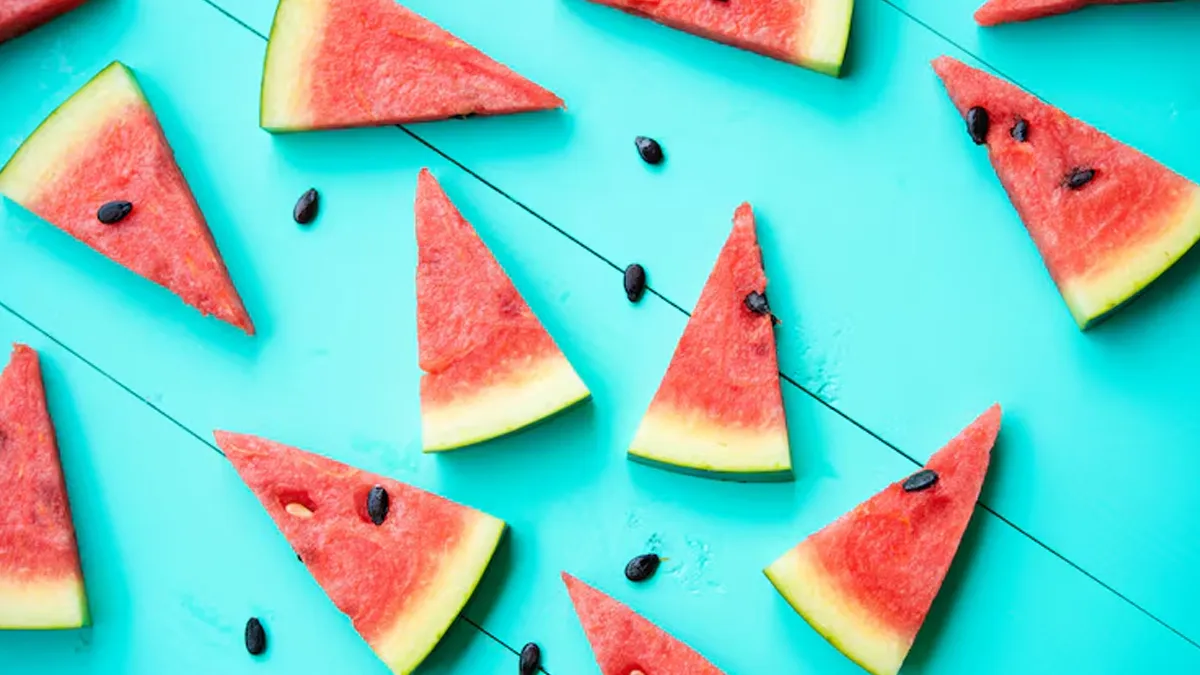
Watermelon Seeds Health Benefits And Risks: Watermelon is a favourite summer fruit in India, but most people throw away its seeds without thinking twice. But did you know, these small seeds are packed with nutrients and can be a healthy snack when eaten the right way. At the same time, like any food, they should be consumed in moderation. Here’s a guide to help you understand the health benefits and possible risks of watermelon seeds.
According to a March 2018 research, “Watermelons seed are known to be highly nutritional; they are rich source of protein, vitamin B, mineral such as (magnesium, potassium, phosphorus, sodium, iron, zinc, manganese and copper) are fat among other as well as photochemical.” They are especially rich in magnesium, iron, zinc and folate, which support overall health and body functions. They are also low in calories when eaten in small quantities and can be a better alternative to processed snacks.
Watermelon seeds provide plant-based protein, which helps in muscle repair and growth. A study by National Institutes of Health - NIH states, “The dominant protein in watermelon seeds is globulin, which makes up 50–60% of the total protein content and is soluble in salt solutions.” This makes them useful for vegetarians looking for natural protein sources.
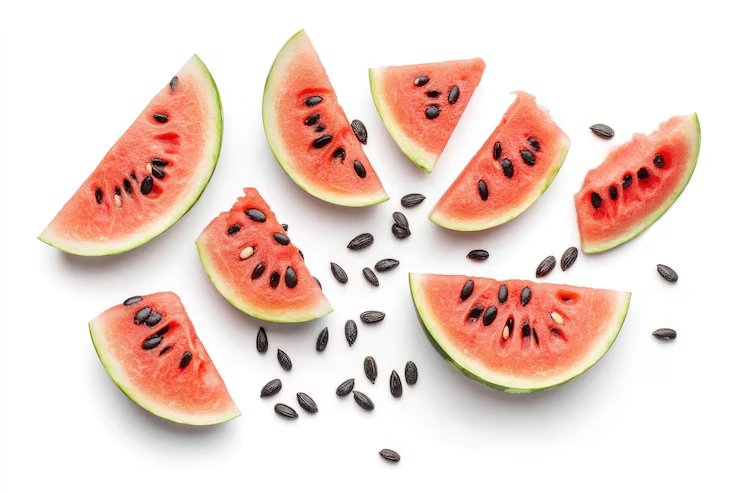
They contain magnesium, zinc and iron, which support immunity, energy production and overall body function. Magnesium also helps in maintaining nerve and muscle health.
The seeds contain healthy fats (mono and polyunsaturated fats) that may help in maintaining cholesterol levels and supporting heart health. According to a June 2019 research by National Institutes of Health - NIH, “Watermelon has a great potential in preventing cardiovascular disease (CVD) due to its high levels of fiber, vitamins, minerals, and bioactive constituents such as L-citrulline, lycopene, and beta-carotene.”
Minerals like iron and magnesium play a role in energy production and metabolism, helping the body stay active throughout the day.
Due to the presence of zinc, protein and healthy fats, watermelon seeds may help in improving skin texture and supporting hair strength over time.
ALSO READ- 5 Health Benefits of Powdered Flax Seeds For Weight Loss
Whole seeds may pass through the digestive system without being fully digested. Roasting or sprouting them improves absorption.
Eating too many seeds at once may lead to bloating or stomach discomfort, especially for people with sensitive digestion.
Watermelon seeds contain compounds like phytates, which can slightly reduce the absorption of minerals such as iron.
People with digestive issues should avoid consuming large quantities regularly and should stick to moderate portions.
ALSO READ- Superfoods to Combat Air Pollution: Everyday Ingredients That Function As Internal Shields

Roast the seeds with a pinch of salt for a crunchy snack
Add them to salads or trail mixes
Use them in smoothies or grind them into powder
Soak and sprout them for better digestion
Roasted seeds are the most popular way to consume them in India as they are tasty and easy to store.
Watermelon seeds are small but packed with nutrients that can support overall health when eaten properly. However, moderation and correct preparation are important to avoid any digestive discomfort and to get the best benefits.
For more such stories, stay tuned to HerZindagi.
Image credit: Freepik
Also watch this video
Herzindagi video
Our aim is to provide accurate, safe and expert verified information through our articles and social media handles. The remedies, advice and tips mentioned here are for general information only. Please consult your expert before trying any kind of health, beauty, life hacks or astrology related tips. For any feedback or complaint, contact us at [email protected].