

The gut has transcended its initial role of facilitating digestion to play a pivotal role in matters concerning the immune system, hormones, and inflammation. The gut microbiome is basically comprised of microorganisms found in the guts with trillions of cells. Ideally, these microorganisms play a pivotal role in creating a well-functioning metabolism system. They also help in defending the body and stabilizing the hormones.
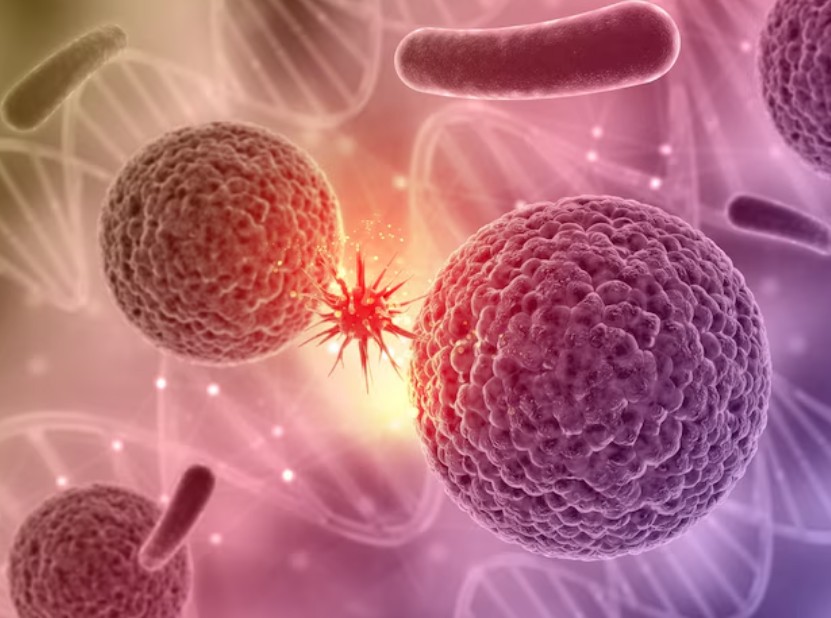
Among its most critical functions is its function in oestrogen metabolism. Some of the microorganisms that inhabit our guts help to metabolize and eliminate oestrogen from our bodies. In cases where our guts are not healthy, this results in higher levels of oestrogen being circulated within our bodies.
According to Dr Pratibha Singhal, Senior Director, Obstetrics & Gynaecology at Max Super Speciality Hospital, Noida, explains that prolonged, unopposed oestrogen exposure is a known risk factor for endometrial cancer. An unhealthy gut may therefore indirectly contribute to hormonal imbalances that affect the uterus and ovaries over time.
Poor gut health is accompanied by chronic low-grade inflammation. The imbalance of gut microbiota can cause an increase in intestinal permeability, which is known as ‘leaky gut’. It allows inflammatory components to enter the bloodstream.
This could result in cellular damage, inhibition of DNA repair, or stimulation of abnormal cell growth. In hormonally responsive gynaecological tissues, the potential for cancer growth could be facilitated by this inflammatory response.
Don't Miss: How Often Should Women Get Cervical Screening? Age-Wise Guidelines Explained by Gynaecologist
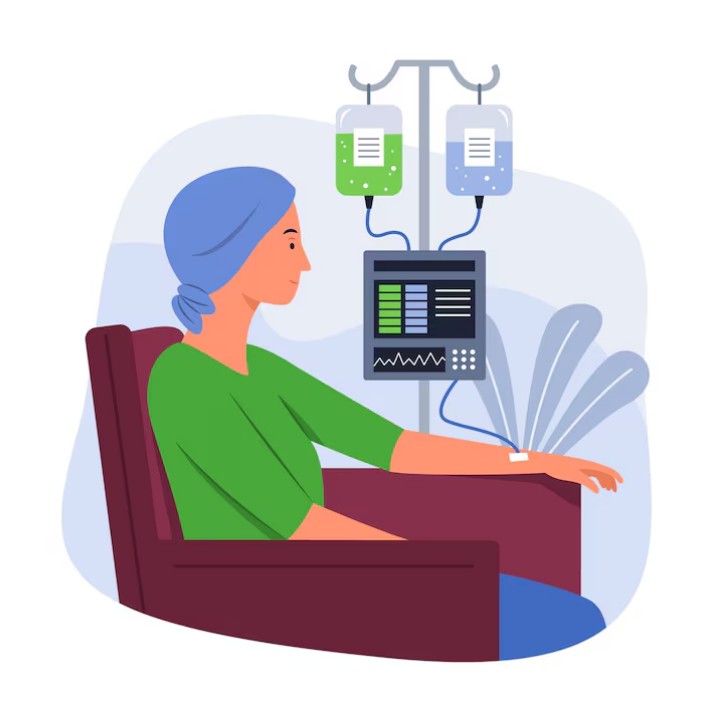
The gut system also plays an important part in the management of immune reactions. The immune system may be weak and may fail to eliminate an infection.
Dr Singhal points out that the importance of immune dysfunction may also lie in cervical cancer, where the prime causative factor is the association with human papillomavirus. Poor digestion can further impair the body’s immune mechanism against the virus, thus heightening the possibilities of persistent injury to the cellular structure.
The gut is in direct association with conditions such as obesity, insulin resistance, and type 2 diabetes. These are already established risk factors for certain cancers in the reproductive system of women, including endometrial cancer.
A dysfunctional gut microbiome may exacerbate insulin resistance and inflammation in the body, thus worsening the risk of cancer.
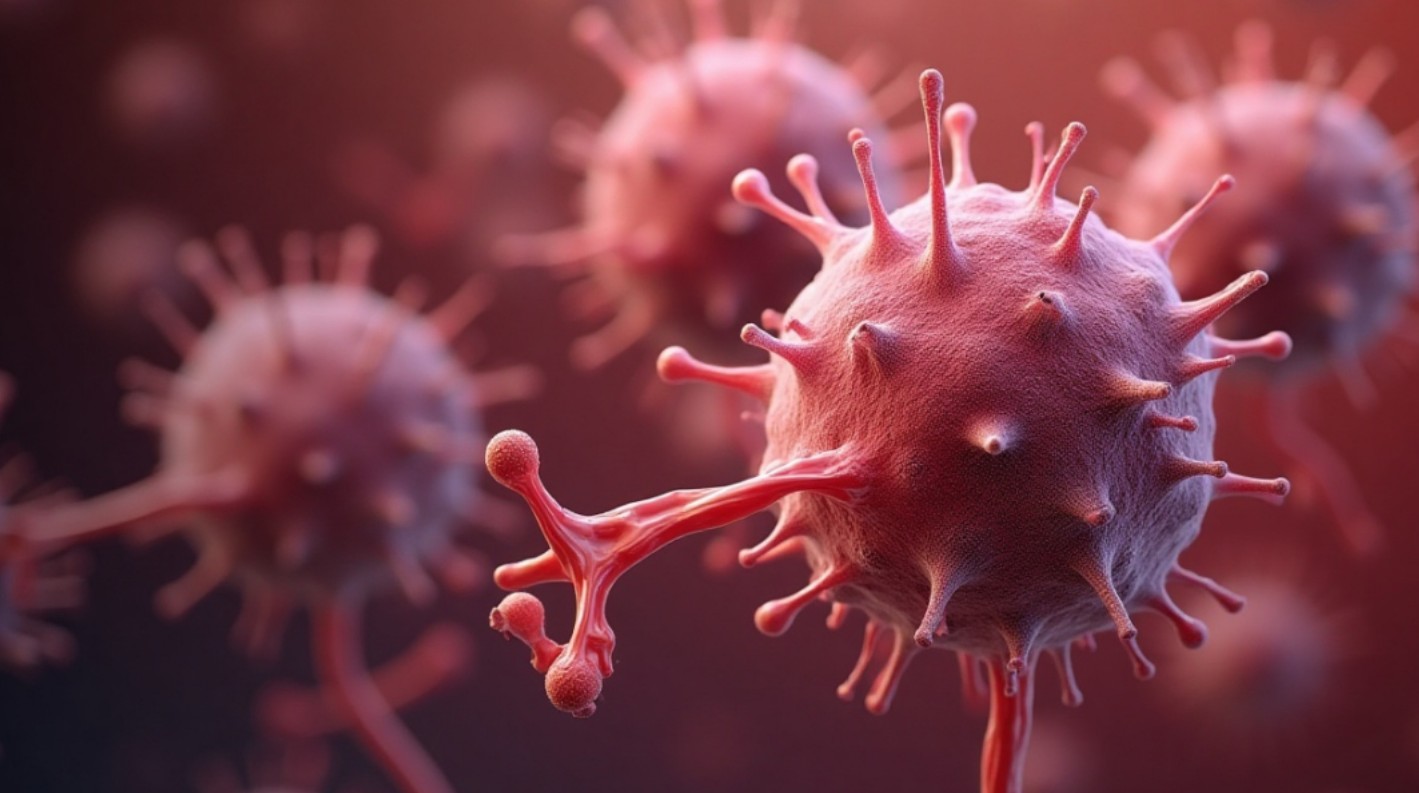
Though an individual's microbiome cannot by itself aid in protecting against cancer, it might help in controlling some risk factors, according to Dr Singhal, who recommends that one eat plenty of fibers, exercise, sleep properly, and manage stress.
Restricting ultra-processed foods, antibiotics, and too much sugar in the diet could also help with the balance of the digestive system and the health of the reproductive organs in women.
Don't Miss: How Poor Cervical Health Can Lead to Serious Diseases: Gynaecologist Explains
Keep reading Herzindagi for more such stories.
Image Courtesy: Freepik
Also watch this video
Herzindagi video
Our aim is to provide accurate, safe and expert verified information through our articles and social media handles. The remedies, advice and tips mentioned here are for general information only. Please consult your expert before trying any kind of health, beauty, life hacks or astrology related tips. For any feedback or complaint, contact us at [email protected].