Wed Apr 1, 2026 | Updated 02:09 PM IST HZ Awards 2026

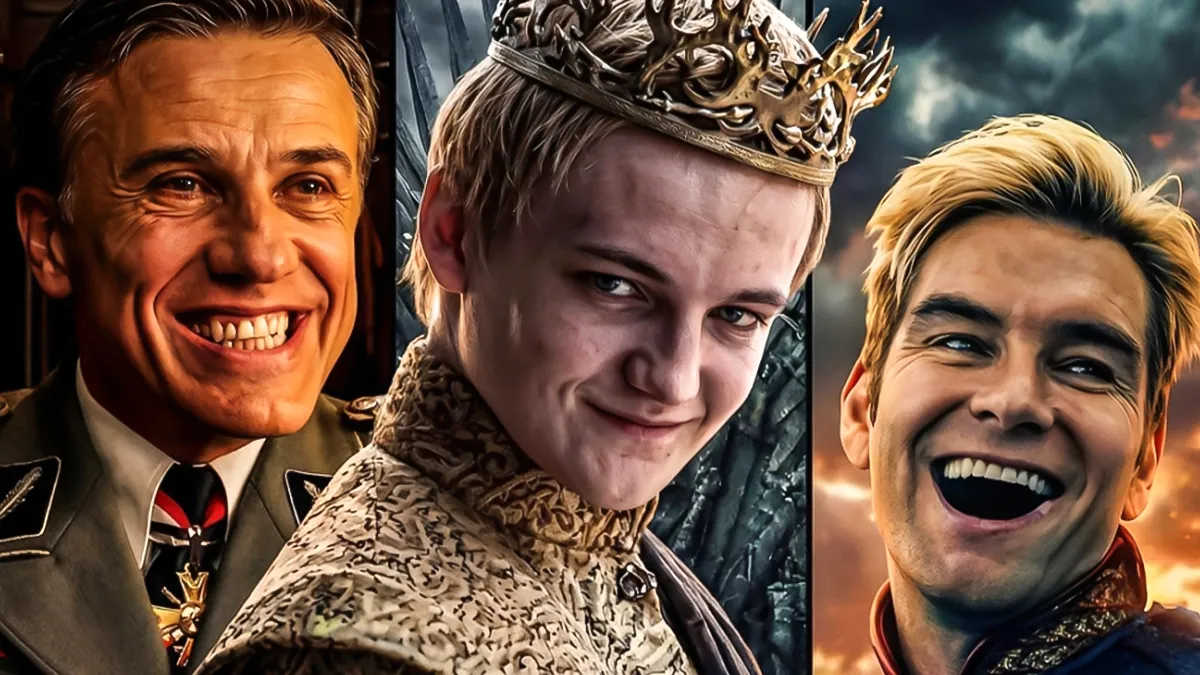
Some fictional characters don’t just annoy viewers; they actively provoke rage. They make you pause a show, rant to friends, or scroll through social media looking for validation that you’re not alone in your hatred. Interestingly, the characters people despise the most are rarely the moustache-twirling villains. They are often petty, entitled, protected by power, and painfully familiar.
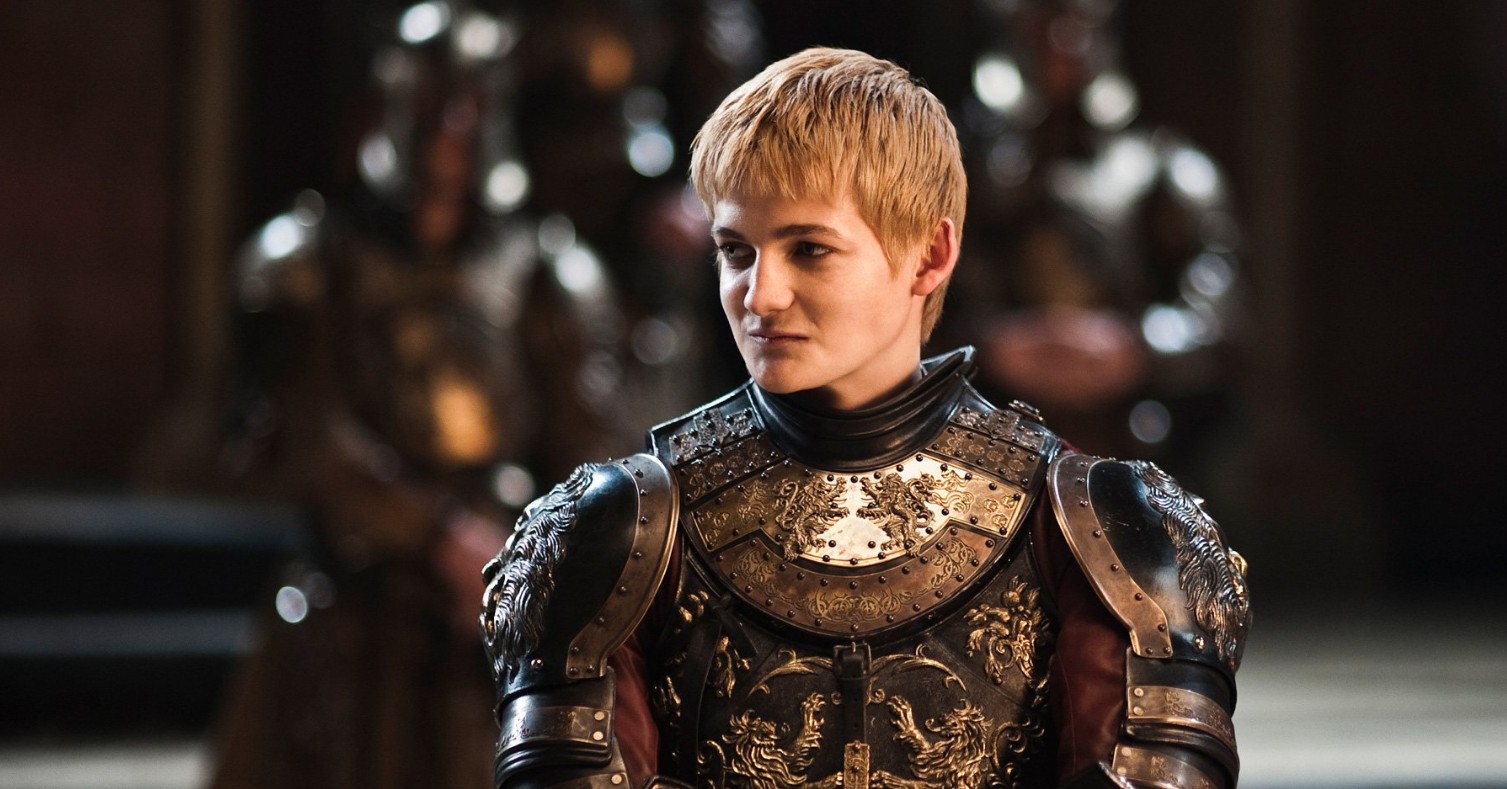
Take Joffrey Baratheon, for instance. His cruelty isn’t just violent, it’s childish. He hurts people because he can, and worse, because no one stops him. His position shields him from consequences, making every act of sadism feel infuriatingly real. The hatred for Joffrey didn’t come from shock value alone; it came from watching injustice win again and again.
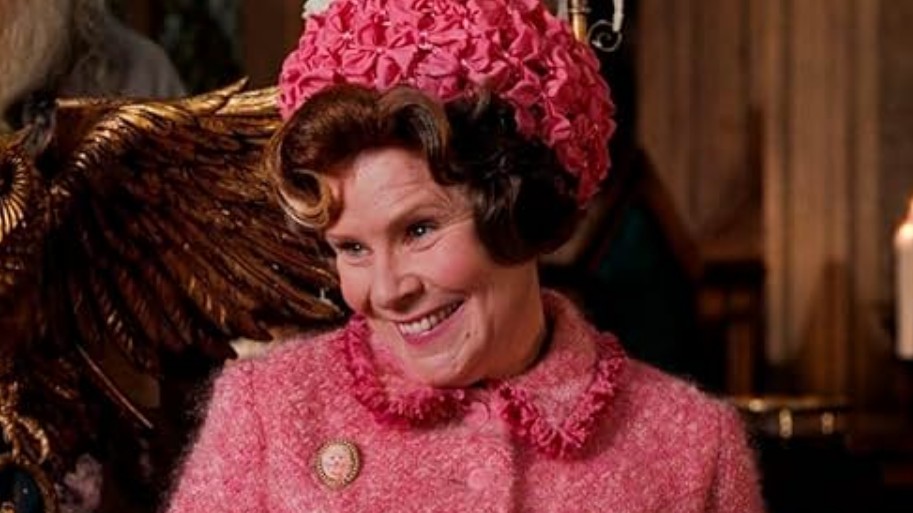
That same sense of unchecked power fuels the dislike for characters like Dolores Umbridge from ‘Harry Potter and the Order of the Phoenix’. She doesn’t rely on brute force. Instead, she hides behind rules, bureaucracy, and a smile that feels more threatening than Voldemort’s wand. Umbridge represents institutional cruelty, the kind that thrives under the guise of order, and that’s precisely why audiences loathe her.
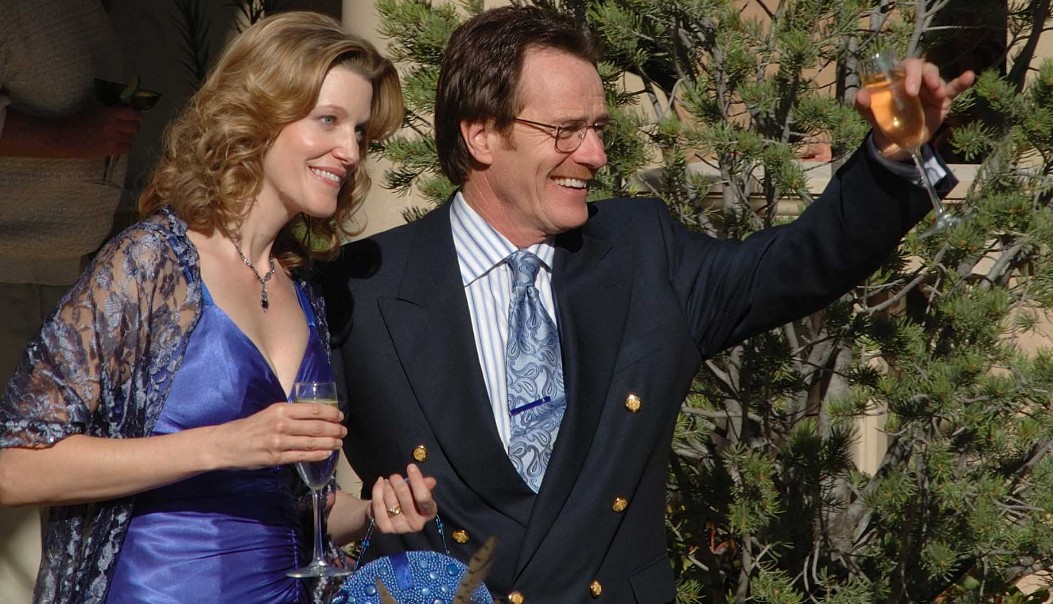
Then some characters divide viewers rather than unite them in hatred. Skyler White from ‘Breaking Bad’ is a prime example. She often gets labelled ‘unlikable’ simply because she disrupts Walter White’s criminal fantasy. Skyler represents consequences, moral resistance, and realism, qualities that make her deeply uncomfortable in a show built on male ego and power. The hatred says more about the audience than it does about her actions.
In a similar vein, Abby Anderson from ‘The Last of Us Part II’ became one of the most controversial characters in gaming and television-adjacent culture. Her introduction challenges emotional loyalty and forces viewers to empathise with someone they’re conditioned to despise. The backlash proved how deeply audiences resist narratives that complicate revenge.
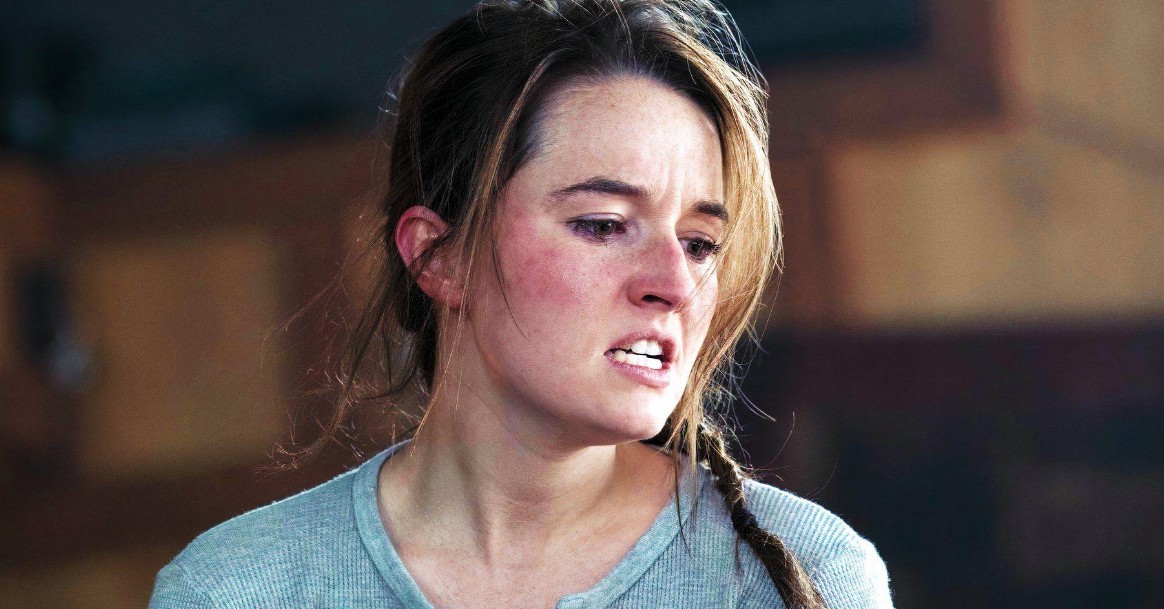
Modern television has given us newer faces of rage, particularly Nate Jacobs from ‘Euphoria’. Nate isn’t a fantasy villain; he’s terrifying because he feels real. He manipulates, gaslights, and uses social privilege as a weapon. His violence is emotional before it’s physical, mirroring patterns many recognise from real life. That familiarity makes him hard to watch, and even harder to forgive.
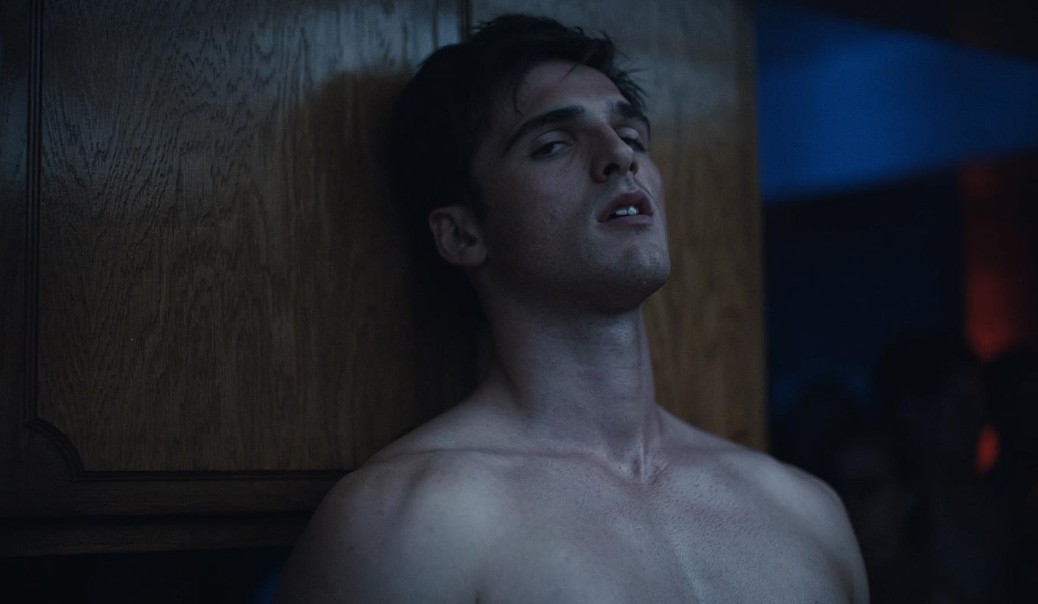
Homelander from ‘The Boys’ operates on a similar principle. He wears the costume of a hero while embodying narcissism, abuse, and unchecked authority. The hatred comes from watching power corrupt absolutely, with no meaningful restraint.
ALSO READ- 6 Best Things That Happen In Every Romantic K-Drama To Make Your Heart Melt
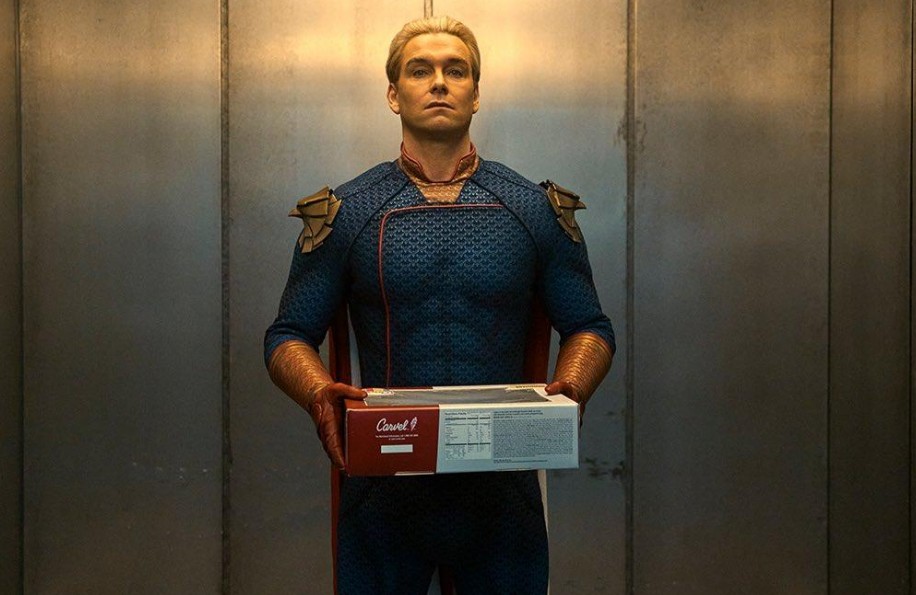
Even seemingly harmless characters like Toby Flenderson from ‘The Office’ earn their place on hate lists. His passive aggression and perpetual victimhood grate because they reflect workplace dynamics many people endure daily.
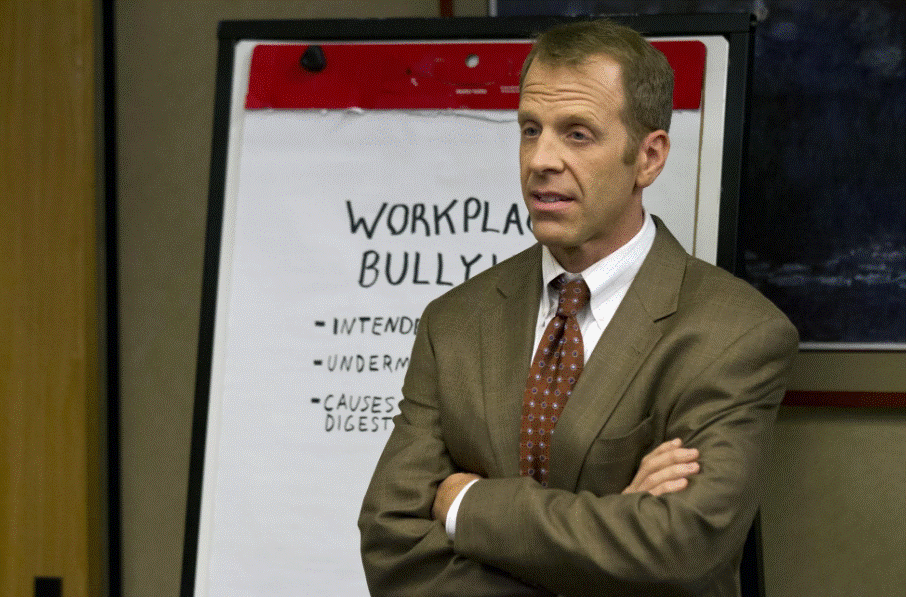
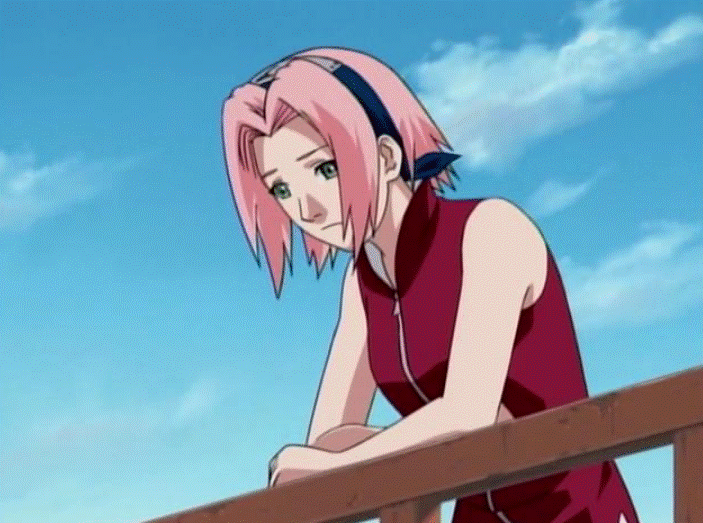
Anime fans aren’t immune either. Sakura Haruno from ‘Naruto’ has long faced criticism for inconsistent writing and sidelined potential, turning frustration with storytelling into character-based dislike.
Ultimately, great writing doesn’t aim to make characters lovable. It aims to make them effective. The most hated characters linger because they expose uncomfortable truths about power, privilege, morality, and the systems that protect the worst among us. And that sting is exactly why we never forget them.
ALSO READ- Guns, Gore and Great Hair: Inside the Dhurandhar Universe That Forgot Its Women
Keep reading Herzindagi for more such stories.
Image Courtesy: IMDb
Also watch this video
Herzindagi video
Our aim is to provide accurate, safe and expert verified information through our articles and social media handles. The remedies, advice and tips mentioned here are for general information only. Please consult your expert before trying any kind of health, beauty, life hacks or astrology related tips. For any feedback or complaint, contact us at [email protected].