Wed Apr 1, 2026 | Updated 08:32 AM IST HZ Awards 2026

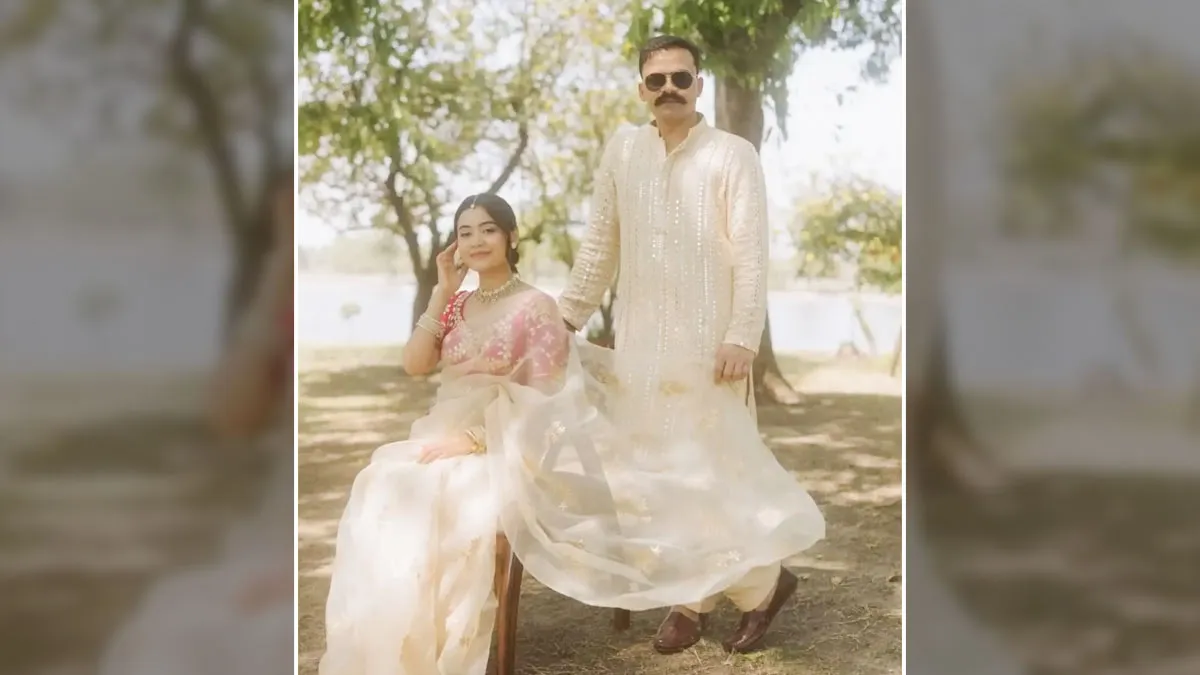
A wedding video should not ordinarily break the internet. And yet, here we are. A clip from the recent wedding of IPS officer KK Bishnoi, who married fellow IPS officer Anshika Verma, has set off a fierce debate online. The video does not feature the couple's vows or their first dance. It shows the groom participating in a traditional Rajasthani ritual called ‘Doodh Pilai’, and the reactions have been anything but calm.
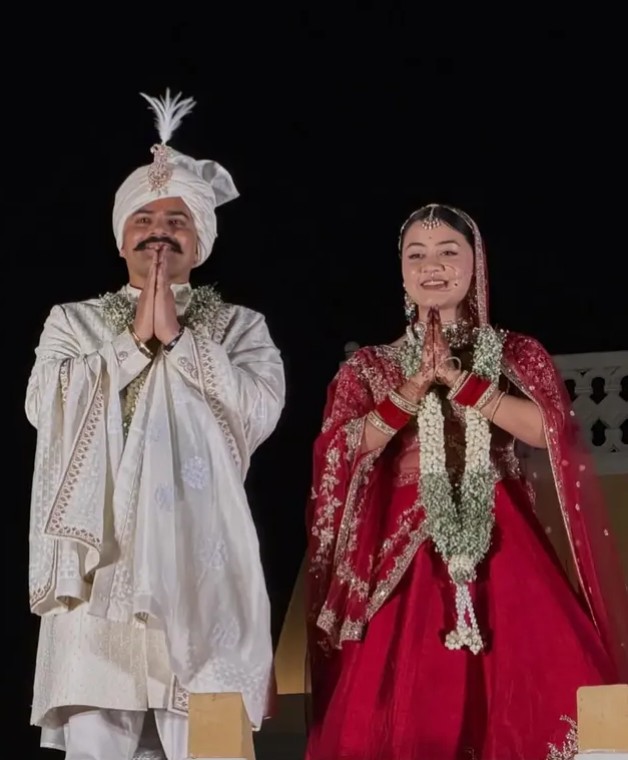
Most people who watched that video had no idea what they were looking at. And honestly, that is half the problem.
‘Doodh Pilai’ happens at a specific moment, just as the groom is about to leave the house with the baraat. His mother comes to him, pulls her veil or pallu over him, and offers him milk. It lasts a few minutes at most. For anyone watching from outside the community, it looks strange, even uncomfortable. But for the family standing in that courtyard, it is just something you do before the boy leaves home.
It is the idea behind it, ‘maa ke doodh ki laaj rakhna’, which loosely means do not dishonour the milk your mother gave you. Think of it less as a religious instruction and more as something a mother says with her hands when words feel too small for the moment.
View this post on Instagram
Shyam Meera Singh, who has written about such customs, describes it as the line between boyhood and marriage, the last thing that belongs entirely to home before a man steps into a different life.
And it is not some tiny fringe ritual from one forgotten village. Brahmin, Rajput, Jat, Vishnoi, Kumhar families across Rajasthan, especially around Bhilwara, have been doing this for as long as anyone can remember. Similar versions turn up in Haryana, Bihar, pockets of western Nepal. Rajasthan just happens to be where it is most openly practised, which is probably why a camera found it first.
KK Bishnoi is not just any groom. He is a serving IPS officer, a position that, in the public imagination, symbolises authority, law, and the promise of social progress. When the video circulated, many viewers found the contrast jarring. Here was a man in uniform, educated at the highest levels, willingly participating in what some called a ‘regressive’ tradition.
Social media user @aree_shuklajii put it bluntly, "You don't get to wear a uniform and then defend misogyny as culture. If power doesn't dismantle harmful practices, it protects them."
He is IPS Bishnoi .
— aree_shuklajii (@th_anonymouse) March 29, 2026
He got married recently.
This is the video of him glorifying some shitty tradition .
He has the power to dismantle all this shit.
Imagine wearing a uniform to uphold patriarchy.
You don’t get to wear a uniform and then defend misogyny as culture.If… pic.twitter.com/AzZys33Uvg
Others questioned what the moment said about the Indian education system. "An IPS officer following 'Doodh Pilai' rasam in 2026 says all that needs to be known about Indian education and the Indian upper class," wrote @avada_kedavara1.
An IPS officer following "Doodh pilai " rasam in 2026 says all that needs to be known about Indian education and the Indian upper class#KK_Bishnoi@Anshika_484
— okkk (@avada_kedavara1) March 29, 2026
Hindi-language commentators raised the issue of casteism, pointing out that educated individuals often use cultural rituals to maintain social hierarchies, and that being literate is not the same as being aware.
राजनीतिक और सामाजिक वर्चस्व बनाए रखने के लिए शिक्षित वर्ग के बीच भी जातिवादी मानसिकता मौजूद है ये IPS कृष्ण कुमार विश्नोई ने अपनी 'Dudh pilai' रश्म से साबित कर दिया
— Shailesh Verma (@shaileshvermasp) March 30, 2026
पढ़ा लिखा होना और जागरूक होना दोनों में अंतर हैं,मनुवाद मनुस्मृति पर आधारित है जो जाति के अंतर को स्पष्ट करती हैl pic.twitter.com/ml0G6qA4ZL
'Doodh Pilai' is not literal breastfeeding. It is a symbolic, momentary ceremony performed in front of the family as a form of maternal blessing. For communities that have practised it for generations, it carries emotional weight and cultural continuity. Dismissing it outright as misogynistic, they argue, flattens an entire tradition into a social media talking point.
There is also a broader point about selective outrage. Weddings across India involve hundreds of rituals, many of them deeply patriarchal in structure. The question is why this one, filmed and shared widely, has drawn disproportionate fire.
The controversy surrounding ‘Doodh Pilai’ is not simply about whether the tradition is good or bad. It is about what happens when a private, intimate ceremony gets filmed, stripped of its context, and dropped into the global social media machine.
Once a video is online, it no longer belongs to the family. It belongs to the timeline. And the timeline does not do nuance. Cultural practice becomes content. A blessing becomes a meme. A mother's gesture becomes evidence in a culture war.
This raises a question nobody is asking loudly enough: did everyone in that video consent to being filmed and shared publicly? The participants in ‘Doodh Pilai’, particularly the mother, are not performing for an audience of strangers. When someone else makes that choice on their behalf, we are no longer just discussing tradition. We are discussing dignity.
View this post on Instagram
Indian weddings are living archives of culture. They carry centuries of history, regional identity, and familial love. Not every ritual will survive scrutiny under a modern lens, and some probably should not. But the act of scrutiny itself must be honest and complete.
When someone in a position of public power participates in a tradition, it is fair to ask whether that participation reinforces harmful norms. That is a legitimate conversation. But it must happen alongside a conversation about the ethics of filming intimate moments, sharing them without consent, and judging communities from the outside.
Culture and consent are not opposites. The question is whether we are willing to hold both at the same time, or whether the next viral video will flatten everything into outrage again.
ALSO READ- India Worships Women in Stone, But Has It Ever Truly Honoured Them? A Master Sculptor Answers
Keep reading Herzindagi for more such stories.
Image Courtesy: Instagram
Also watch this video
Herzindagi video
Our aim is to provide accurate, safe and expert verified information through our articles and social media handles. The remedies, advice and tips mentioned here are for general information only. Please consult your expert before trying any kind of health, beauty, life hacks or astrology related tips. For any feedback or complaint, contact us at [email protected].