Tue Mar 17, 2026 | Updated 05:22 PM IST

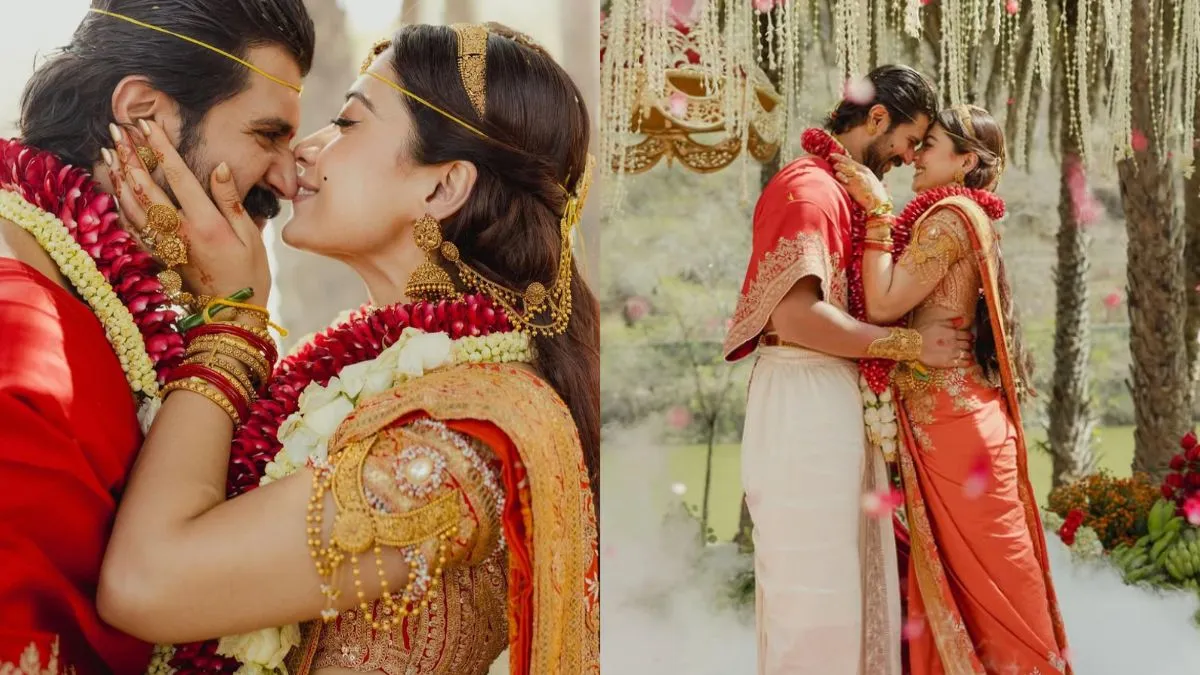
Rashmika Mandanna and Vijay Deverakonda reportedly got married on February 26, 2026, in Udaipur. Fans were excited about the celebrity marriage. They were also curious about the mix of cultures. With a groom from Telugu culture and a bride from Kodava/Coorg culture, the wedding reportedly honoured both traditions. This made the celebration a rare and fascinating cultural crossover.
Online reports suggest that the couple held their Telugu ceremony at 10:10 am. They followed this with traditional Kodava rituals at 4:00 pm to honour Rashmika’s family background. But what exactly makes a Kodava wedding different?
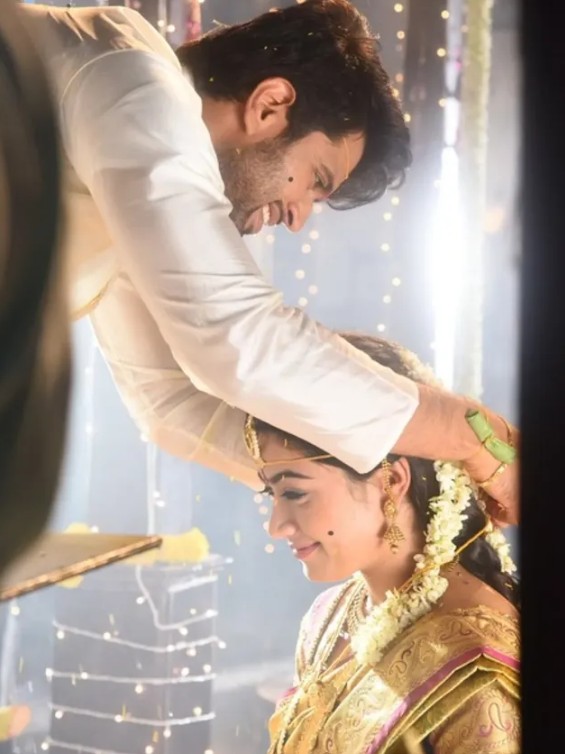
After much wait, actors Rashmika Mandanna and Vijay Deverakonda have tied the knot at ITC Mementos, Udaipur, on February 26, 2026. They got married in the morning according to traditional Telugu rituals and will have a second ceremony in the evening as per Kodava traditions.
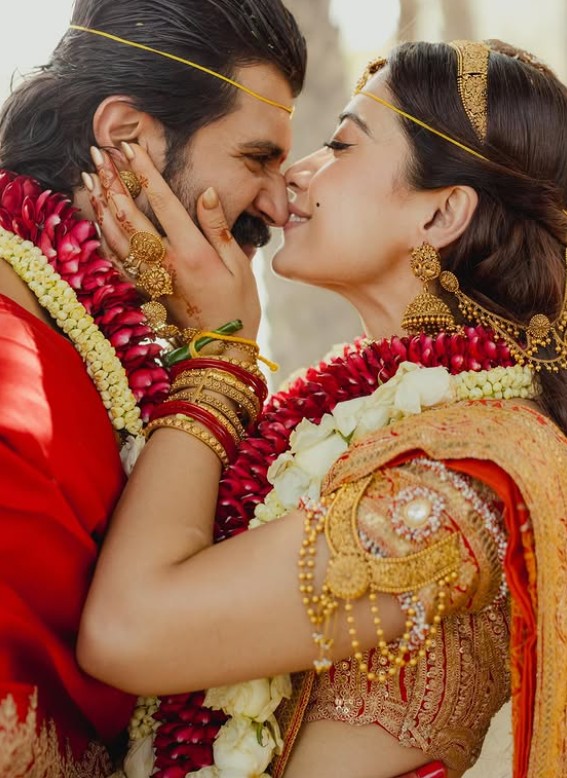
The Kodavas are a local group from Kodagu (Coorg) in Karnataka, known for their strong family-group system and war history. Their traditions differ significantly from usual Hindu practices. Even their word for wedding, Mangala, means joy and celebration.
Unlike many Hindu weddings, Brahmin priests do not conduct Kodava ceremonies. Instead, family elders lead the rituals, and people pray to ancestors before a sacred hanging lamp.
A traditional Kodava wedding typically spans two days, sometimes extending into a third if the celebrations run late.
The first day, also known as ‘Urkooduva’ or ‘Karik Muripa’, focuses on family gatherings and preparatory rituals. The second day marks ‘Mangala’, the main wedding ceremony, characterised by detailed customs and rituals.
Urkooduva means ‘village gathering’, where members of the extended family group (okka) help arrange the ceremony. They put up a decorated tent using mango leaves, banana bunches, and young jackfruit or wild litchi branches.
A go-between, called the Aruva, works with both families and watches over the preparations. In the evening, the celebration begins with a feast featuring meat dishes and drinks.
The groom wears a traditional white kupya held by a red and gold sash. The bride wears an off-white sari draped in the Coorg way, with the folds tucked at the back. Both pray before the sacred lamp, guided by their helpers.
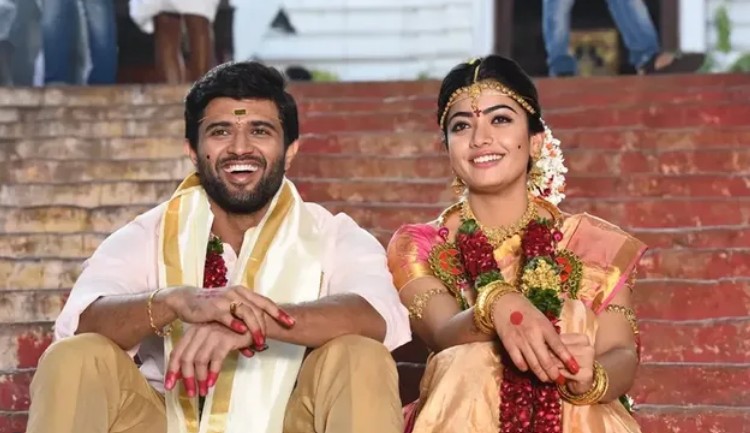
The second day begins with cleaning rituals, where the groom takes a ceremonial shave and bath before wearing traditional clothes, including a dagger (peeche kathi) and war knife (odi kathi). This reflects the Kodava warrior past.
The bride participates in ‘Bale Iduva’, where people place colourful bangles on her wrists, including a black pair to keep away bad luck. She later changes into a red silk sari decorated with heavy gold and silver jewellery.
One dramatic ritual, ‘Baale Birud’, involves cutting decorated banana stems with a single strike, showing courage.
When the groom arrives holding a gejje thand (an ebony staff with bells), the bride’s family welcomes him by washing his feet and offering rice. The couple sits facing east and receives blessings from mothers, fathers, and elders.
The ritual called ‘Sammanda Kodupa’ officially accepts the bride into the groom’s family group. Elders speak traditional words before the sacred lamp. Symbolically, they offer 12 small stones representing the bride’s birthright, and accept eleven. This preserves her right to go back to her parents’ home if needed.
Fun customs like ‘Batte Thadpa’, where a cousin playfully blocks the bride from leaving, add humour to the ceremony.
The bride later performs ‘Neer Edpa’ (Ganga Puje), where she offers prayers at the well and carries water pots back to the house, symbolising her new duties. The final ritual, ‘Kombarek Kootuva', marks the beginning of the couple's married life.
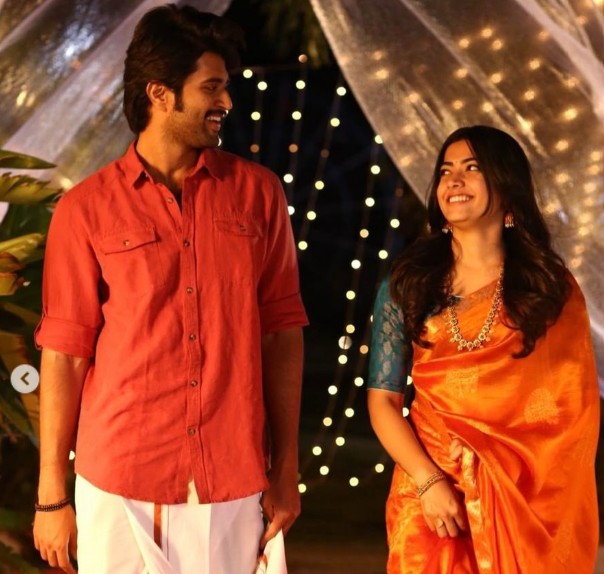
The couple reportedly began celebrating on February 24, 2026, with the ‘Virosh Premiere League,’ followed by a sangeet and haldi ceremony. While they have shown small peeks of the decorations, fans eagerly await official wedding pictures.
They expect a grand reception in Hyderabad on March 4, 2026, concluding the multi-day celebration.
Mixing Telugu and Kodava traditions, this wedding has created wide interest. Beyond the glamour, it shows the richness of regional Indian customs, proving that every wedding tells a deeper story about culture.
Keep reading Herzindagi for more such stories.
Image Courtesy: Instagram
Also watch this video
Herzindagi video
Our aim is to provide accurate, safe and expert verified information through our articles and social media handles. The remedies, advice and tips mentioned here are for general information only. Please consult your expert before trying any kind of health, beauty, life hacks or astrology related tips. For any feedback or complaint, contact us at [email protected].