Sun Mar 22, 2026 | Updated 08:36 PM IST HZ Awards 2026

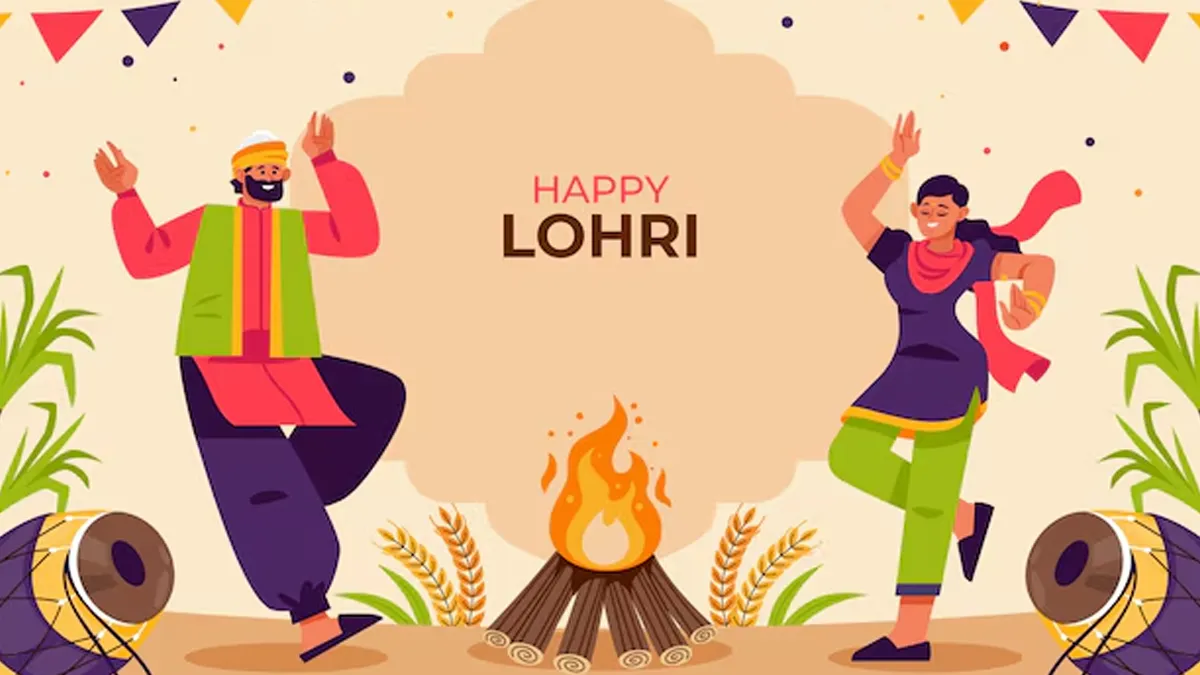
As the cold winds of winter reach their climax, the night sky in North India comes alive with the shimmering glow of a thousand burning effigies lit in the form of bonfires. Lohri 2026, which is going to take place on Tuesday, the 13th of January, is more than a seasonal occasion in itself; it is an ode to the soulful celebration of the Earth's harvest and the victory of light in the nights of winter. While the pounding rhythms of the dhol and the energetic Bhangra beats fill the air with excitement and joy, the occasion is an age-old testament to the harvest of the Rabi harvest in the form of a deep-seated thank you to the harvest. While the epic songs of the legendary people's warrior Dulla Bhatti are recounted through the crackling sound of the fire in the background or the act of sacrificing til and gur in the sacred fire itself, Lohri is a resounding symbol of community in itself.
In 2026, the vibrant harvest festival of Lohri will be celebrated on Tuesday, January 13.
The history of Lohri is very interesting and has a strong connection with the changing seasons and the traditions of the Punjab hills. Traditionally, it marks the end of the winter solstice and the sun moving into the Northern Hemisphere, ‘Uttarayan.’ Dulla Bhatti, known as the ‘Robin Hood of Punjab,’ is inextricably connected with the traditions of Lohri. Dulla Bhatti, living in the 16th century, during the rule of Emperor Akbar, freed girls from being made slaves and married them after sending them dowries. His acts of courage and heroism are remembered in traditional songs sung in the ‘bonfire’ and symbolise the victory of ‘protection,’ ‘justice,’ and ‘harvest of earth.’
ALSO READ- 19-Minute Viral Video: What It Is and Why Sharing It Can Be Harmful
The festival is far more than a seasonal transition; it is a profound celebration of life, fertility, and communal harmony. Primarily observed by the Punjabi diaspora, it marks the end of the harsh winter and the arrival of longer days as the Sun begins its northward journey. For the farming community, it is a day of deep gratitude for the Rabi harvest, where the first grains are offered to the sacred fire as a prayer for future abundance.
Key Pillars of Lohri's Significance
Gratitude for Harvest: This harvest festival is devoted to Lord Agni and Lord Surya. Agni symbolises fire, and Surya symbolises the sun. The harvesters are thankful for their harvest by offering it to Lord Agni in the form of sugarcane, sesamum, or jaggery.
Social Cohesion: The gathering around the common bonfire, where people sing and dance, helps break the barriers of the social order and creates a sense of brotherhood among the masses.
Miles & Blessings: Firstly, there is a huge emotional significance in this celebration for newlyweds and babies (Lohri Maa) since they receive blessings to have a fertile future.
The Legend of Dulla Bhatti: It looks at justice and upholding honour, paying tribute to the folk hero who brought girls out of slavery, and teaches the importance of advocating for the weak.
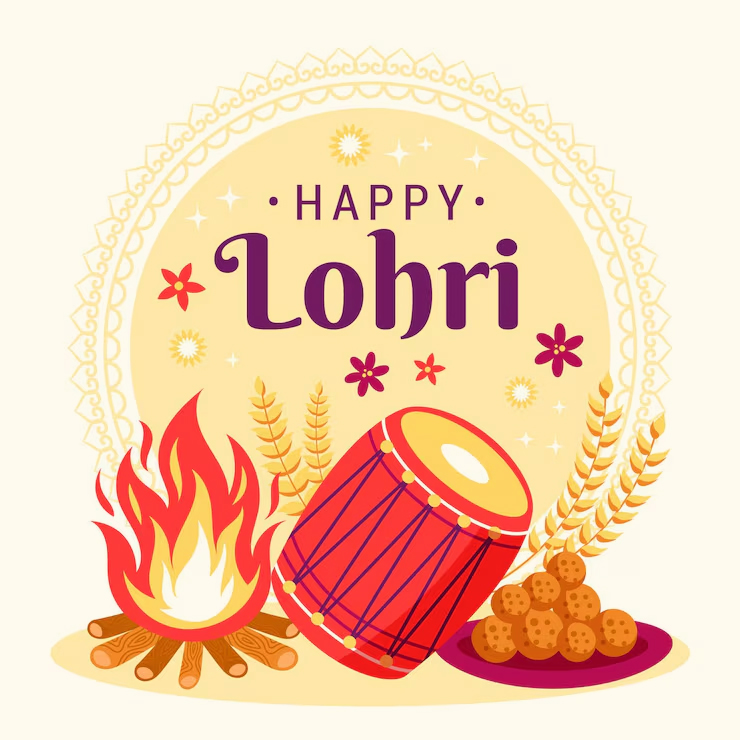
The legend of Dulla Bhatti is the essence of Lohri, as he is remembered as the saviour of two girls who were slaves in the time of the Mughal Empire. He was like their guardian and performed marriage ceremonies of these girls with meagre gifts of sugar and sesame. His act of heroism turned this festival of crops into one of justice and support, as his “Robin Hood” spirit lives on in folk songs celebrating every bonfire.
Image credits: Freepik
ALSO READ- Samsung Galaxy S26 Ultra: India Launch Date, Expected Price, And Full Specifications Revealed
For more such stories, stay tuned to HerZindagi.
Also watch this video
Herzindagi video
Our aim is to provide accurate, safe and expert verified information through our articles and social media handles. The remedies, advice and tips mentioned here are for general information only. Please consult your expert before trying any kind of health, beauty, life hacks or astrology related tips. For any feedback or complaint, contact us at [email protected].