Sun Mar 22, 2026 | Updated 03:17 PM IST HZ Awards 2026

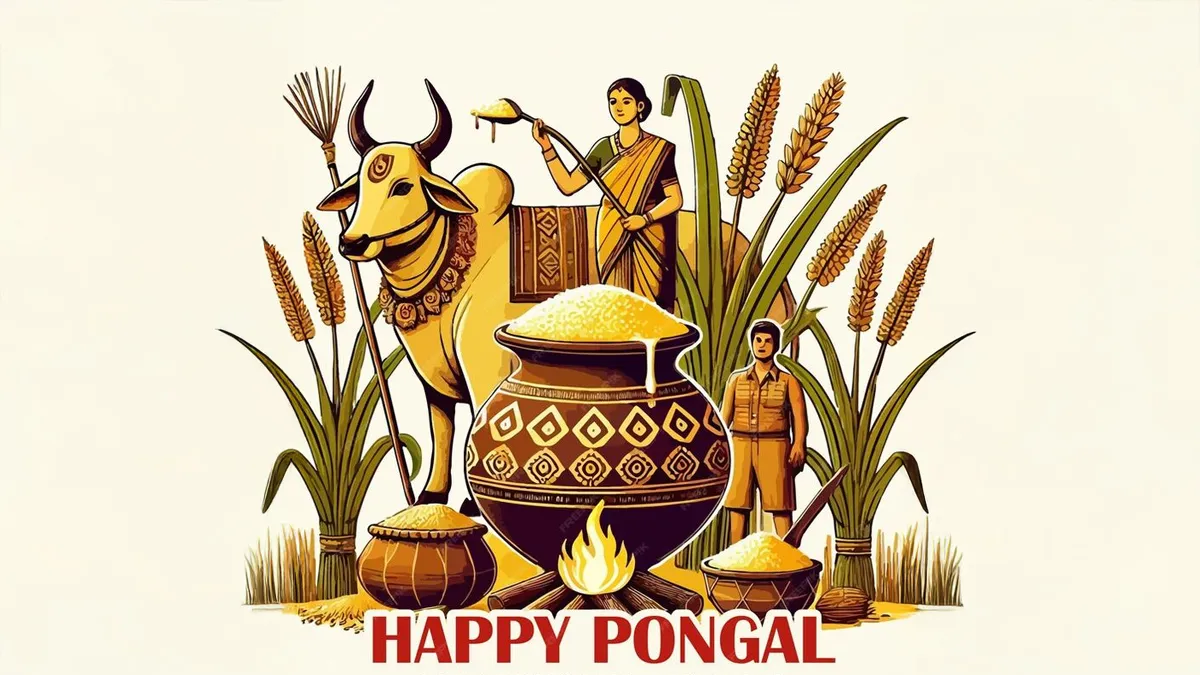
Pongal is one of the most cherished harvest festivals of South India, especially among Tamil communities across India and abroad. Celebrated in mid-January every year, the festival coincides with Makar Sankranti, marking the Sun’s northward journey and the beginning of the Tamil month of Thai.
Rooted in gratitude, Pongal honours nature, farmers, cattle, and Surya (the Sun God), acknowledging their role in sustaining life and agriculture.
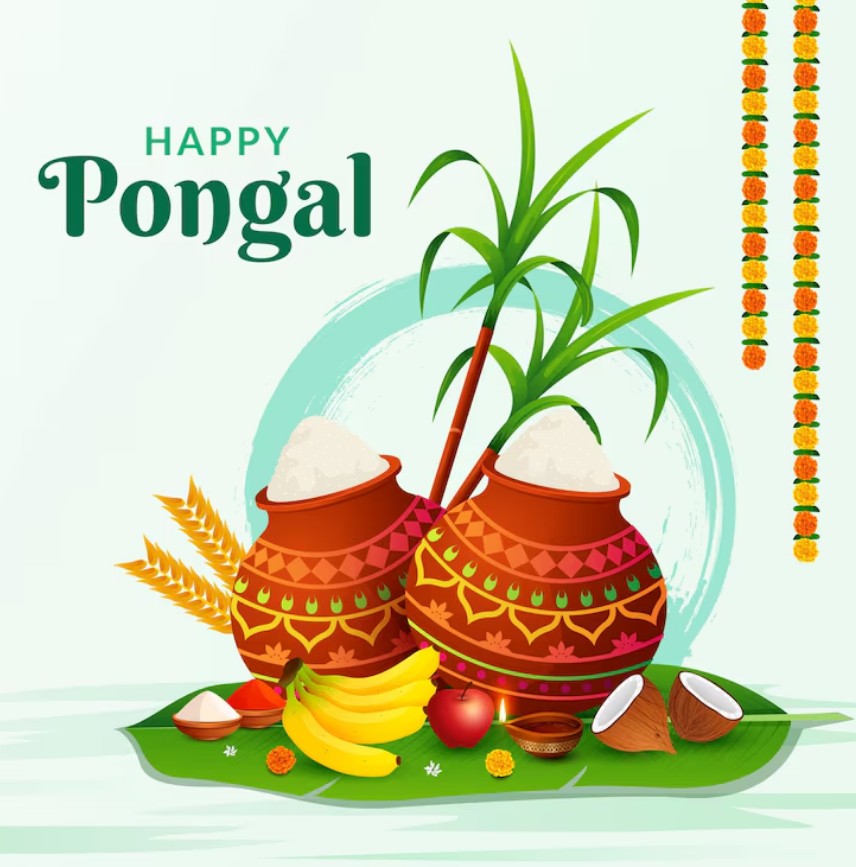
According to the Hindu solar calendar and references such as Drik Panchang, Pongal festivities in 2026 will begin on January 13 and conclude on January 16. Here is the complete day-wise calendar:
The festival opens with Bhogi Pongal, a day associated with cleansing and renewal. Families clean their homes, discard unused items, and light bonfires at dawn. This ritual symbolises letting go of the past and welcoming prosperity and positivity into the household.
The most important day of the festival, Thai Pongal, celebrates the Sun’s transition into Capricorn. Households prepare the traditional sweet dish ‘Pongal’ using freshly harvested rice, milk, and jaggery. As the pot overflows, people chant ‘Pongalo Pongal’, signifying abundance, growth, and good fortune.
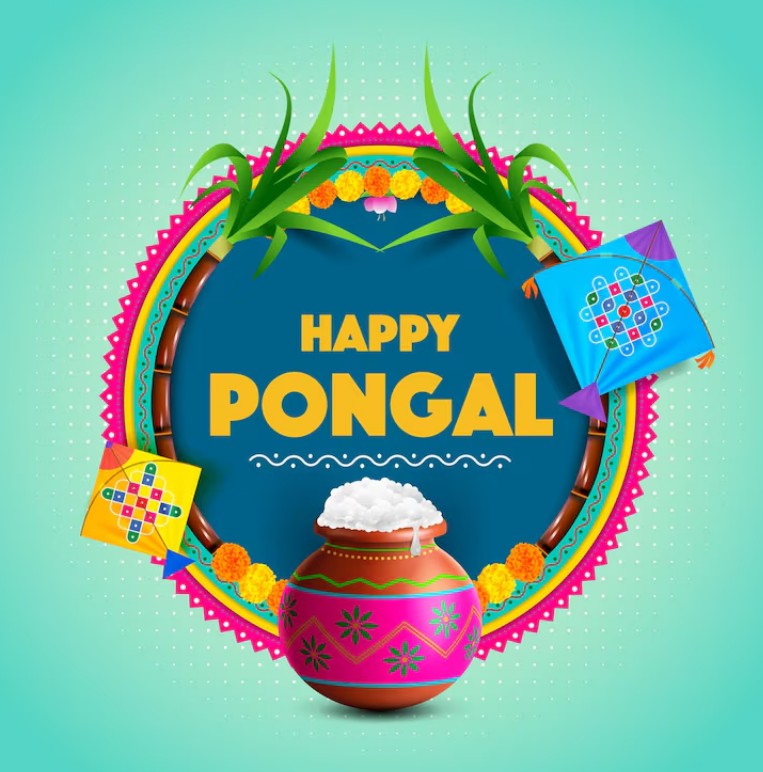
Mattu Pongal is dedicated to cattle, which play a vital role in farming and rural life. Cows and bulls are bathed, decorated with garlands and bells, and offered special food. In some parts of Tamil Nadu, traditional events such as Jallikattu are also held on this day.
The final day focuses on social bonding and leisure. Families visit relatives, go on outings, share meals, and celebrate togetherness. It is also a day to strengthen community ties after days of rituals and thanksgiving.
ALSO READ- Important Days in January 2026: Complete List of National and International Dates
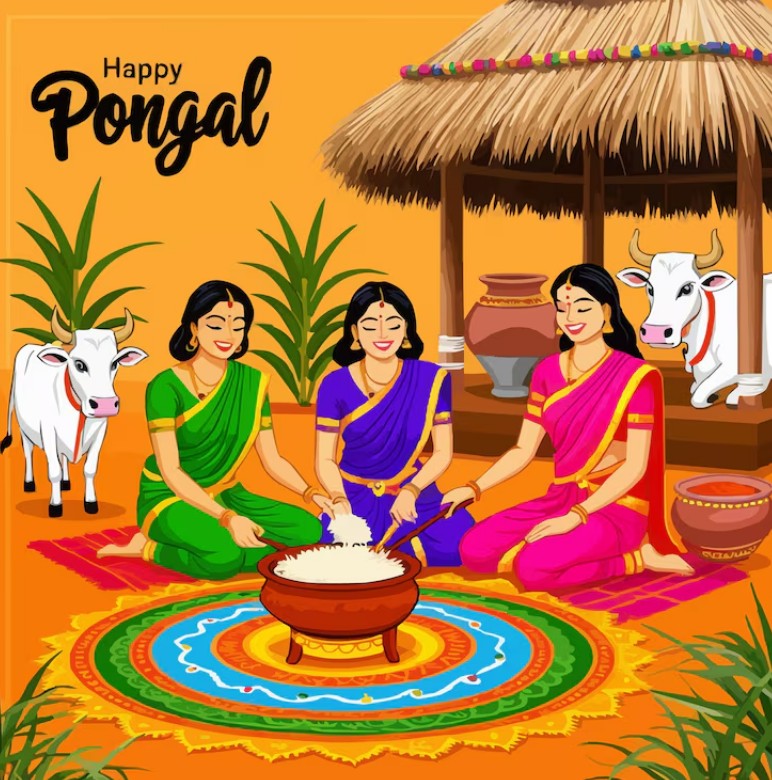
Freshly harvested rice is simmered with milk and jaggery in a beautifully decorated clay pot. As the milk rises and spills over, a moment called pongal, families joyfully chant ‘Pongalo Pongal,’ welcoming prosperity and good fortune. The dish is first offered to Surya and is then shared with family members and neighbours, reinforcing the spirit of gratitude and togetherness.
The word ‘Pongal’ comes from the Tamil term pongu, meaning ‘to overflow.’ This reflects the festival’s core message of abundance, gratitude, and prosperity. Beyond rituals, Pongal celebrates harmony between humans and nature, honouring the Sun, rain, soil, crops, and animals that sustain everyday life.
Keep reading Herzindagi for more such stories.
Image Courtesy: Freepik
Also watch this video
Herzindagi video
Our aim is to provide accurate, safe and expert verified information through our articles and social media handles. The remedies, advice and tips mentioned here are for general information only. Please consult your expert before trying any kind of health, beauty, life hacks or astrology related tips. For any feedback or complaint, contact us at [email protected].