Sun Mar 22, 2026 | Updated 05:08 PM IST HZ Awards 2026

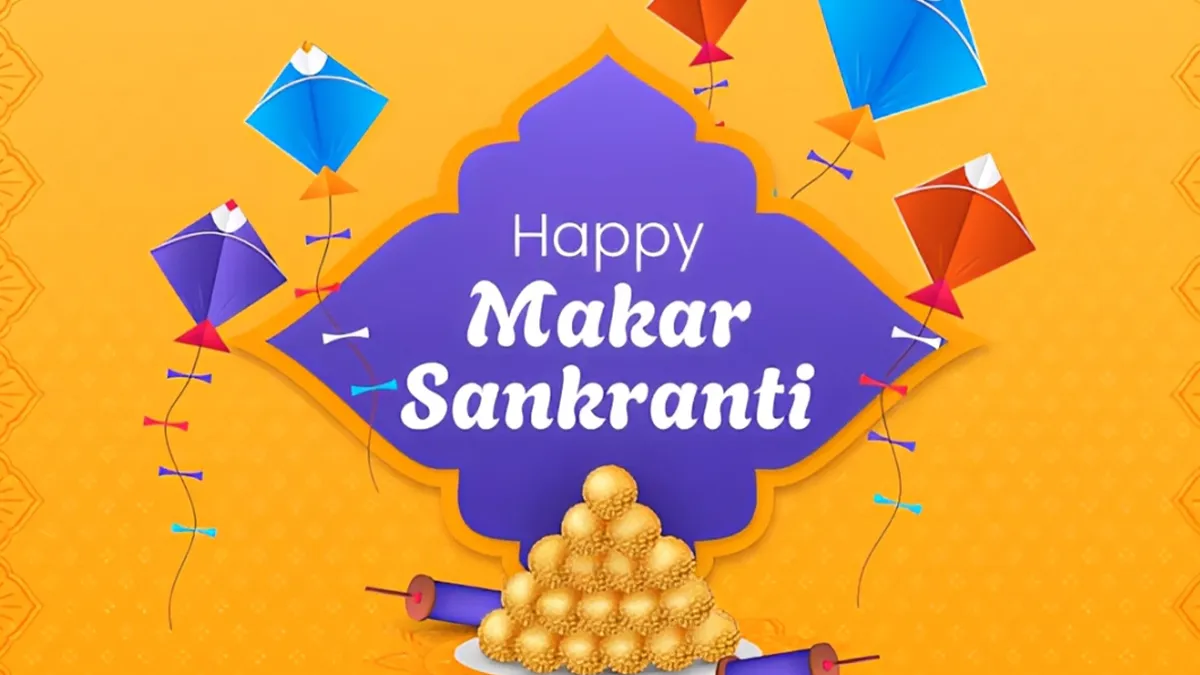
Makar Sankranti Date And Time 2026: Makar Sankranti marks a pivotal moment in the solar calendar, signalling the end of the winter weather and the arrival of warmer days. Known by various names across different regions from Pongal in the south to Magh Bihu in the east, this ancient festival is a profound celebration of nature’s bounty and the first harvest of the year. Beyond the colourful festivities, it carries deep spiritual weight, representing a time for spiritual purification and the triumph of light over darkness. Whether you are curious about the specific timings or the legendary stories that shaped this tradition, here is everything you need to know about this major festival.
Makar Sankranti in 2026 will be celebrated on Wednesday, January 14, 2026.
Auspicious Timings (Muhurat)
According to the Drik Panchang, Makar Sankranti key timings for the rituals in 2026 are:
Sankranti Moment: 03:13 PM.
Punya Kala: 03:13 PM to 06:18 PM (Duration = ~3 hrs). Maha Punya Kala: 03:13 PM to 05:04 PM - Most auspicious window for bathing and charity.
It is said that during Sankranthi, Lord Surya, or the God of the Sun, visits the residence of his son, Shani Deva, the God of Capricorn. In spite of their differing personalities, the visit of Lord Surya signifies the need for sibling relationships and the mending of their rifts. In addition, in the Mahabharata, this is the most auspicious time when the most revered warrior Bhishma Pitamah surrendered his material form in order for his soul to attain salvation.
The importance of the festival also lies in the fact that it symbolises both an astronomical phenomenon and an important occasion of gratitude in culture. In an astronomical perspective, it symbolises the entry of the Sun into the sign of Capricorn, marking the beginning of the six-month auspicious period known as 'Uttarayan.' In a spiritual perspective, it symbolises the 'entry into the light' because it symbolises the need to bid farewell to the darkness of the past and begin afresh. From a harvest perspective, it symbolises the gratitude of humanity to the Earth and the Sun because of the gift of life and resources provided to them through the Earth and the Sun.
The rituals are based on purification and the distribution of sweetness to mark the new season’s arrival. The majority of followers begin their day by taking a holy dip in holy rivers such as the Ganges or the Yamuna to wash away their past mistakes. After the dip, they pray to the Sun God, distributing Til-Gul, sometimes referred to as sesame seeds and jaggery, indicating the importance of remaining connected as one entity amidst differences, as Til-Gul consists of sesame seeds and jaggery that symbolise differences. The sun-filled sky turns into a painting for coloured kites, marking a ritual that involves exposing one’s body to the health-benefiting sun rays, as a large number of people within their households cook Khichdi for a wholesome beginning to the new year.
We celebrate this festival to honour the life-giving energy of the Sun and to mark the official change in seasons from the harsh winter to the blossoming spring.
It is a time when the agricultural community celebrates the successful ripening of the Rabi crops, making it a festival of abundance and joy for those who work the land.
Beyond the agricultural aspect, the celebration is a reminder of the cosmic rhythm of the universe, teaching us to align our lives with the movements of nature. By coming together to fly kites, light bonfires, and share food.

Image credits: Freepik
ALSO READ- Lohri Song Sunder Mundriye Hoye: Lyrics, History, And More About The Punjabi Track
For more such stories, stay tuned to HerZindagi.
Also watch this video
Herzindagi video
Our aim is to provide accurate, safe and expert verified information through our articles and social media handles. The remedies, advice and tips mentioned here are for general information only. Please consult your expert before trying any kind of health, beauty, life hacks or astrology related tips. For any feedback or complaint, contact us at [email protected].