Wed Apr 1, 2026 | Updated 11:14 AM IST HZ Awards 2026

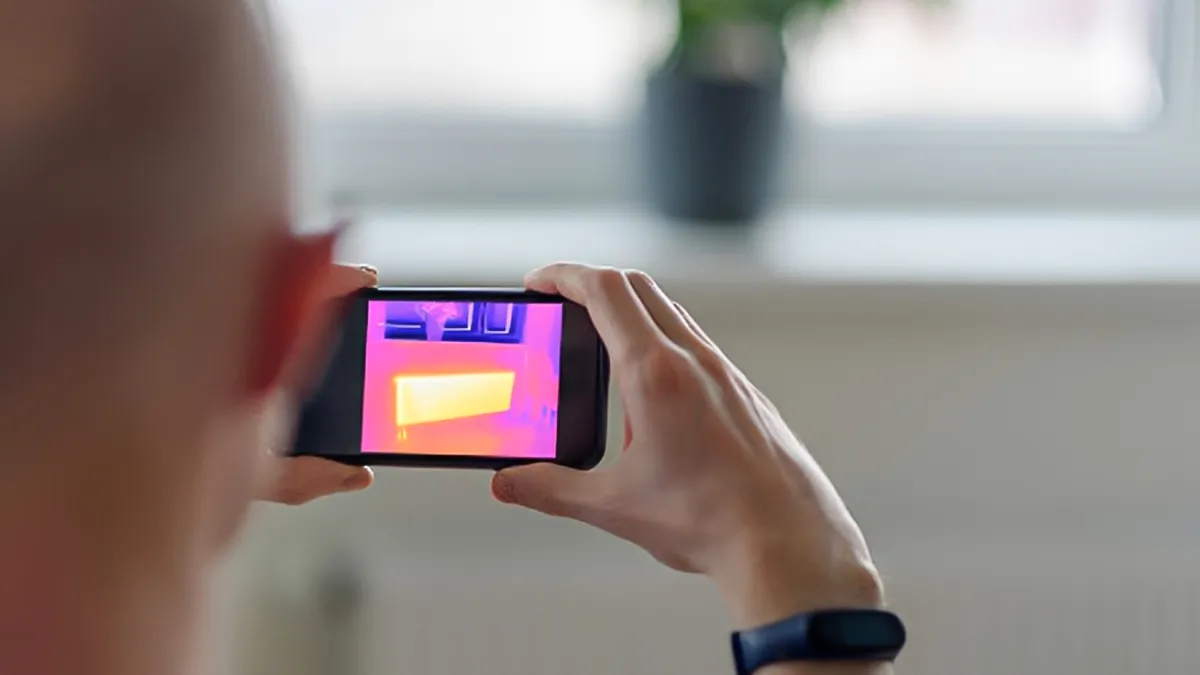
From work-related trips to vacations, booking a hotel room or an Airbnb has become an everyday aspect of travel for most. We generally assume that these spaces provide us with comfort and much-needed privacy, but a growing number of unsettling reports from around the world indicate that our trust may not always be well-placed. There have been disturbing accounts of hidden cameras recording hotel guests during moments of vulnerability like sleeping, showering, or changing, raising critical issues about personal safety and privacy in the digital age.
In various instances, oblivious guests later discovered that their private lives had been recorded and subsequently exploited through online leaks, blackmail, or extortion.
Here's how to detect hidden cameras.
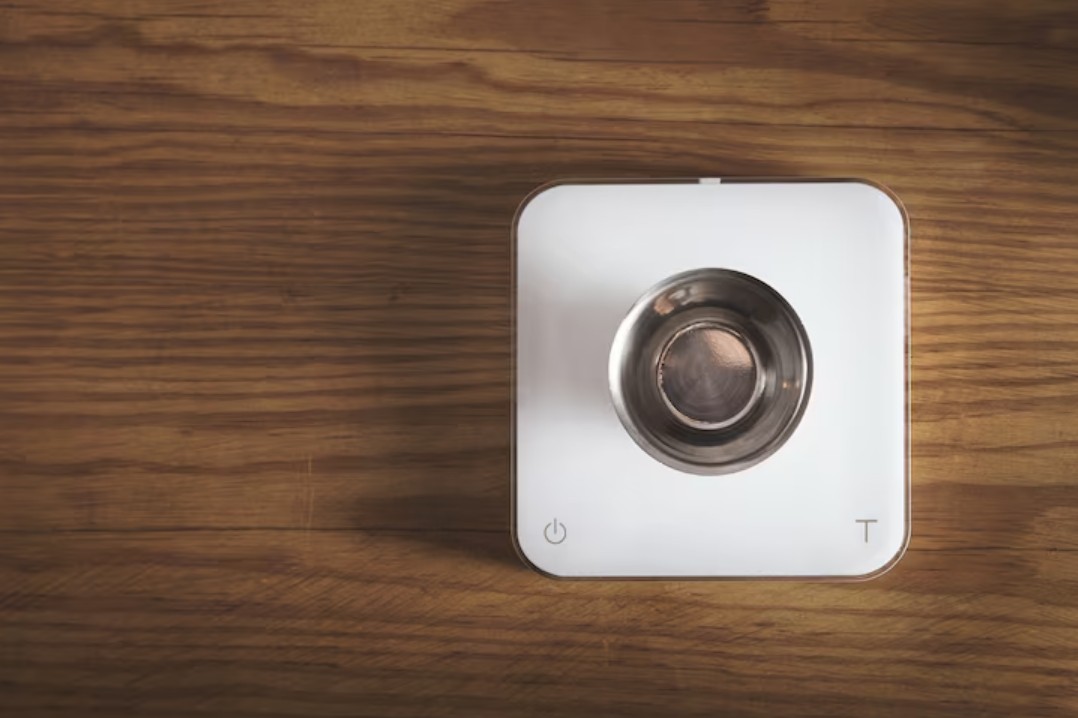
As soon as you enter your accommodation, turn off all the lights and close the curtains. Take out your smartphone and open its camera application, preferably the front-facing one. Many covert cameras utilise infrared (IR) light for their night vision capabilities. Although invisible to the naked eye, these IR lights typically show up as faint red or purple dots when viewed through a phone camera. Carefully scan common hiding places for such devices: smoke detectors, alarm clocks, lamps, air vents, electrical outlets, picture frames, and bathroom shelves. If you want to see what IR looks like on your phone, simply aim it at your TV remote and press any button.
Once again, turn off all the lights and draw the curtains. Then, switch on your phone's torch and move it slowly from side to side while scanning the room at eye level. Camera lenses have a reflective surface that can easily be spotted as a bluish or purplish glare under direct light. Be sure to examine potential hiding spots thoroughly. This simple technique is surprisingly effective and takes very little time.
Many hidden cameras transmit their footage over a Wi-Fi network, making them accessible remotely. If you can access the accommodation's Wi-Fi, use a network-scanning application (like Fing for smartphones) to see all devices connected to the network. Be wary of any unfamiliar device names like ‘IP camera,’ ‘webcam,’ or ‘unknown device.’ While every unrecognised device isn't necessarily suspicious, several unexplained connections warrant further investigation.
Trust your intuition. If something looks out of place, investigate it further. Pay close attention to decorative items, smoke detectors placed in unusual spots, stuffed toys, alarm clocks, or even extension cords pointing toward the bed or bathroom. If you suspect a particular item may be hiding a lens, gently cover it to see if the reflection or shape changes, resembling a lens.
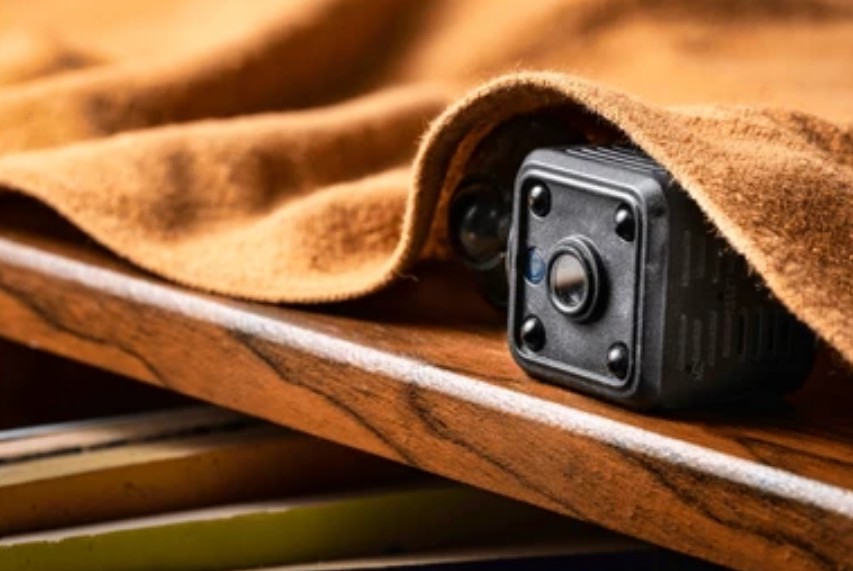
For frequent travelers who are concerned about privacy, investing in a small radio frequency (RF) or camera lens detector is a worthwhile option. These handheld devices are designed to detect radio frequencies and lens reflections commonly associated with hidden surveillance equipment, and they are available at relatively affordable prices.
This method might seem a bit dramatic, but it can be useful for identifying potentially hidden two-way mirrors, which may contain hidden cameras. Place your fingernail flat against the mirror surface. If there's a clear gap between your fingernail and its reflection, it's a standard mirror. However, if there's no gap, meaning your fingernail appears to touch its reflection, the mirror might be a two-way mirror, and it's worth being extra cautious.
Staying vigilant doesn't mean travelling in constant fear; it simply means taking a few proactive steps to ensure that your trips remain safe, private, and relaxing.
Keep reading Herzindagi for more such stories.
Image Courtesy: Freepik
Also watch this video
Herzindagi video
Our aim is to provide accurate, safe and expert verified information through our articles and social media handles. The remedies, advice and tips mentioned here are for general information only. Please consult your expert before trying any kind of health, beauty, life hacks or astrology related tips. For any feedback or complaint, contact us at [email protected].