Tue Mar 17, 2026 | Updated 07:18 PM IST

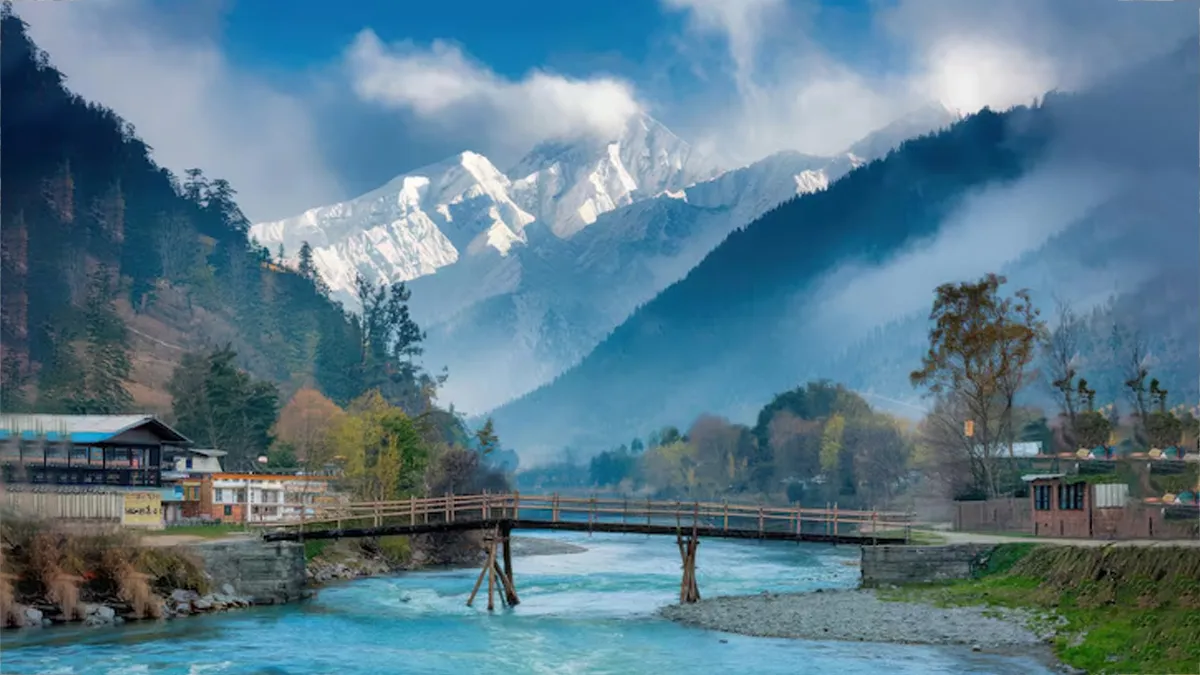
Himachal Pradesh, a picturesque hill state in northern India, is widely known as Dev Bhoomi, which means ‘Land of the Gods’. This name reflects the region’s deep spiritual heritage, countless temples and strong cultural traditions tied to divinity. Visitors and devotees are drawn not just to its stunning landscapes but also to its rich religious landscape that seems to speak of sacred presence at every turn. Here is a why Himachal Pradesh is known as the ‘Dev Bhoomi’:
One of the key reasons Himachal Pradesh earned the title 'Dev Bhoomi' is the large number of temples and sacred sites scattered throughout the state. “Himachal was known since the earliest of times as ‘Devabhoomi’, the abode of the Gods. The splendid heights of the Himalayan ranges, with its great scenic beauty and aura of spiritual calm seem the natural home of the Gods. Two thousands or more temples all over the State, reiterate this fact”, according to the official web portal of the Himachal Pradesh Government. In fact, over 2,000 temples and shrines can be found across its valleys and hills, many of which are centuries old.
Some of the most famous temples include:
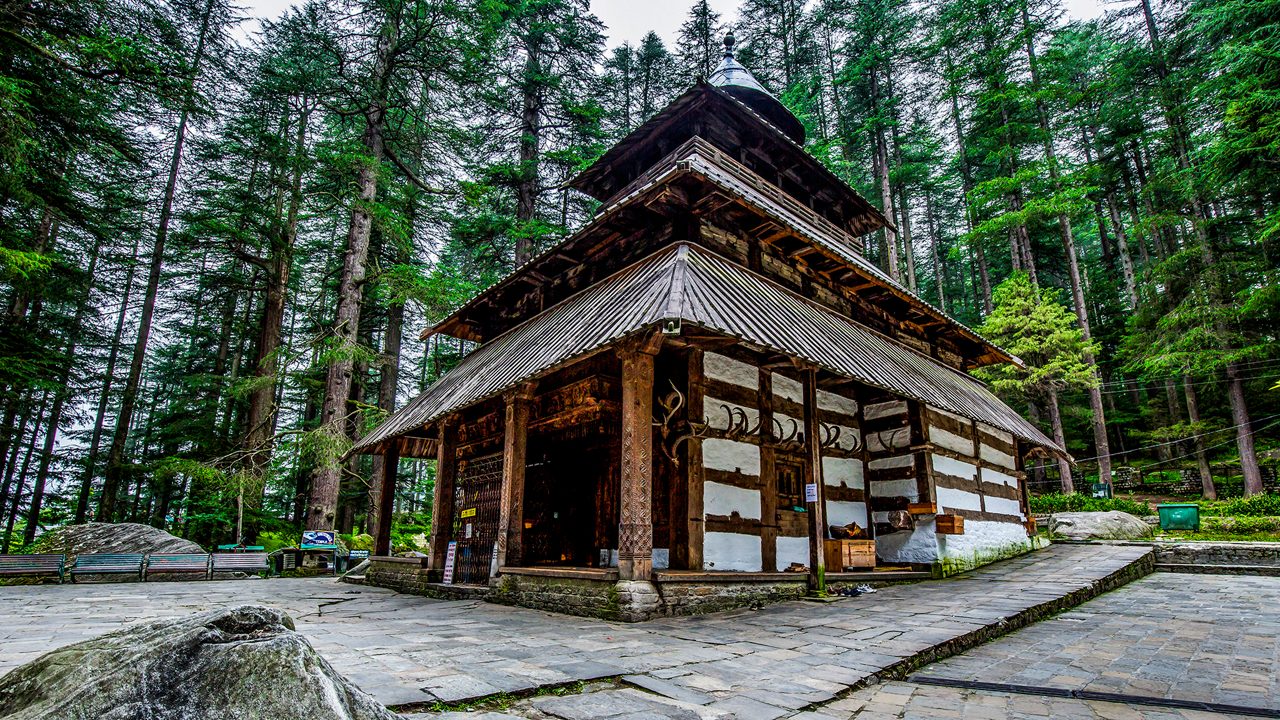
Hidimba Devi Temple in Manali, dedicated to Hidimbi, a figure from the Mahabharata.
Baijnath Temple, a historic Shiva temple in Kangra district.
Bhimakali Temple at Sarahan, revered as one of the Shakti Peethas.
Trilokinath Temple in Mandi, representing the three faces of Lord Shiva.
Each of these sites has a rich mythological history and attracts thousands of worshippers and tourists every year.
Beyond major temples, Dev Bhoomi culture thrives in every village and hamlet. Locals often worship Kuldevtas (family or ancestral deities) and smaller gods that are believed to protect communities and lands. In regions like the Kullu Valley, gods and goddesses are seen as living beings. They are taken out in processions during local festivals, and people always pray to them before making important life decisions, such as marriages or building homes.
ALSO READ- Top 5 Abroad Destinations Under ₹90k For 2026 Budget Travel
Himachal Pradesh is mentioned in various ancient scriptures and Indian epics. Many stories tie the region to gods and goddesses from Hindu mythology, especially Lord Shiva, who is believed to have strong associations with the Himalayas. According to the Incredible India Ministry of Tourism, (Government of India), “The Jakhu Temple, with its mythological significance linked to Lord Hanuman's legendary journey, offers a serene and spiritual experience atop the mountain.” It further states, “Namgyal Monastery in Mcleodganj, serving as a significant abode for the revered Dalai Lama, while the Shangchul Mahadev Temple in Shangarh near Manali stands as a serene testament to spiritual devotion.”
The Jakhu Temple in #Shimla, situated upon the Jakhu hill, is home to the world’s tallest Hanuman statue. #HimachalPradesh #TravelTuesday pic.twitter.com/SSrK3Teq0a
— Incredible!ndia (@incredibleindia) May 2, 2017
ALSO READ- 5 Best Places To Visit Around Mussoorie During Winter
Himachal Pradesh Tourism portal highlights, “Till 19th century, Tourism in Himachal Pradesh was restricted only to a limited movement of pilgrims to a few spiritual destinations around the hills. Only when the British established their chain of hill stations did tourism receive recognition in the State.” Himachal’s status as Dev Bhoomi is also reinforced by its festivals and pilgrimages, such as:
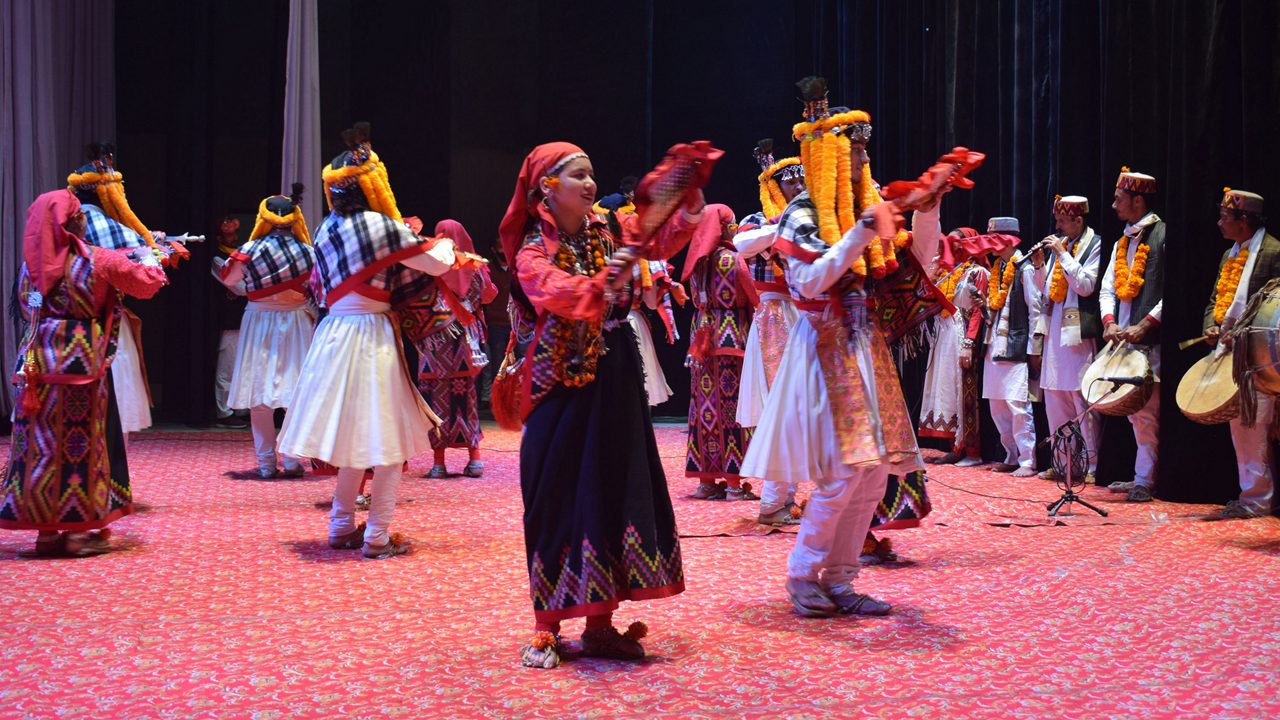
Holy Festivals: Kullu Dussehra, Mahashivratri, Kullu Dussehra, Losar Festival, and Halda Festival.
Pilgrimage Sites: Ramchandra Temple, Manikaran, Naina Devi Temple,and a Gurudwara.
These events draw visitors from across India, emphasising the religious importance of the region.
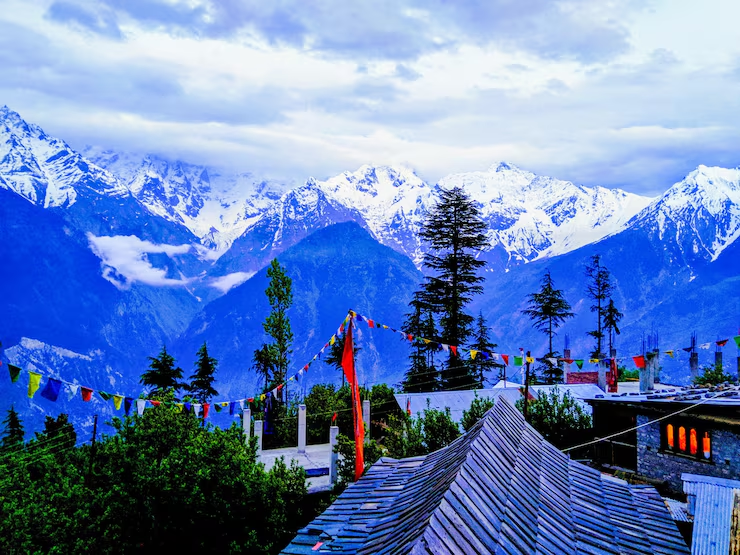
It isn’t just the temples that make Himachal sacred - the serene valleys, rivers, snow-capped peaks, and greenery all contribute to a sense of peace and spirituality.
For more such stories, stay tuned to HerZindagi.
Image credit: Incredible India
Also watch this video
Herzindagi video
Our aim is to provide accurate, safe and expert verified information through our articles and social media handles. The remedies, advice and tips mentioned here are for general information only. Please consult your expert before trying any kind of health, beauty, life hacks or astrology related tips. For any feedback or complaint, contact us at [email protected].