Wed Apr 1, 2026 | Updated 11:16 AM IST HZ Awards 2026

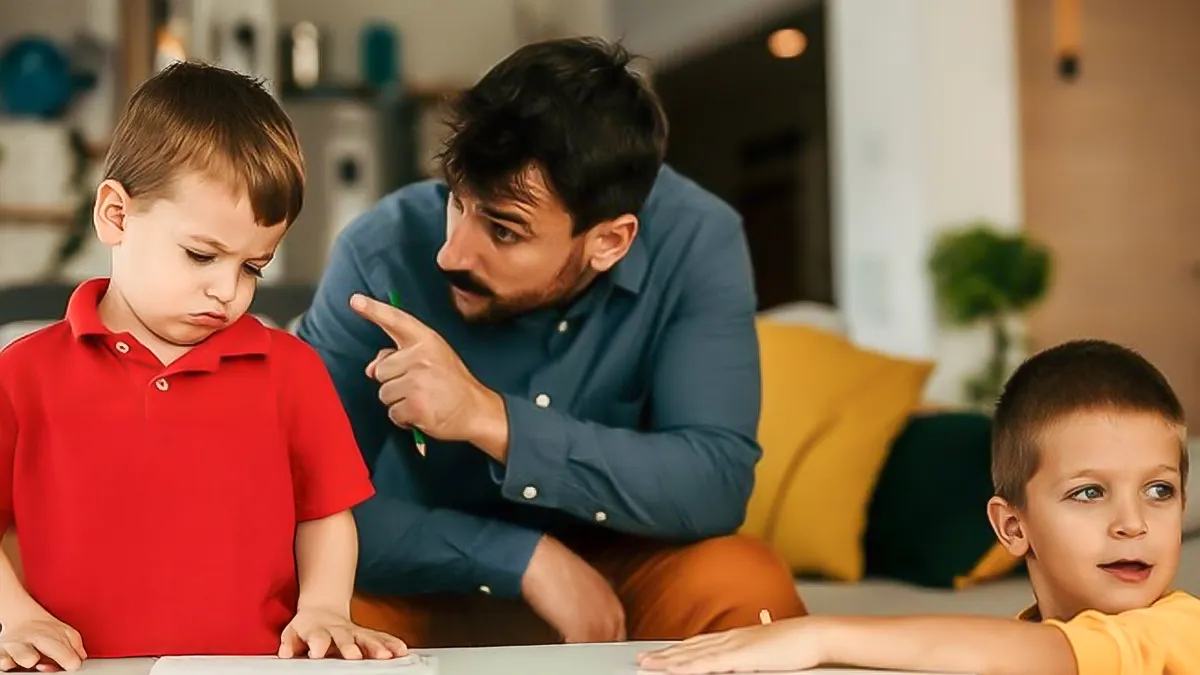
Gentle parenting is out, the latest parenting term on everybody’s tongue is FAFO. The acronym stands for the crude yet direct ‘F*** Around and Find Out’ and it’s become incredibly viral. The main principle behind FAFO parenting is that children should be allowed to experience the natural consequences of their decisions instead of being lectured, warned, or fussed over by adults.
The theory is quite straightforward. If a child doesn't want to wear a coat in the winter, you shouldn't insist, they just need to go out and learn themselves by getting cold. Supporters of FAFO parenting say that this creates resilience and accountability in ways explanation cannot achieve.
However, as always when new parenting styles come into existence, we have the question of safety. Is FAFO parenting safe?
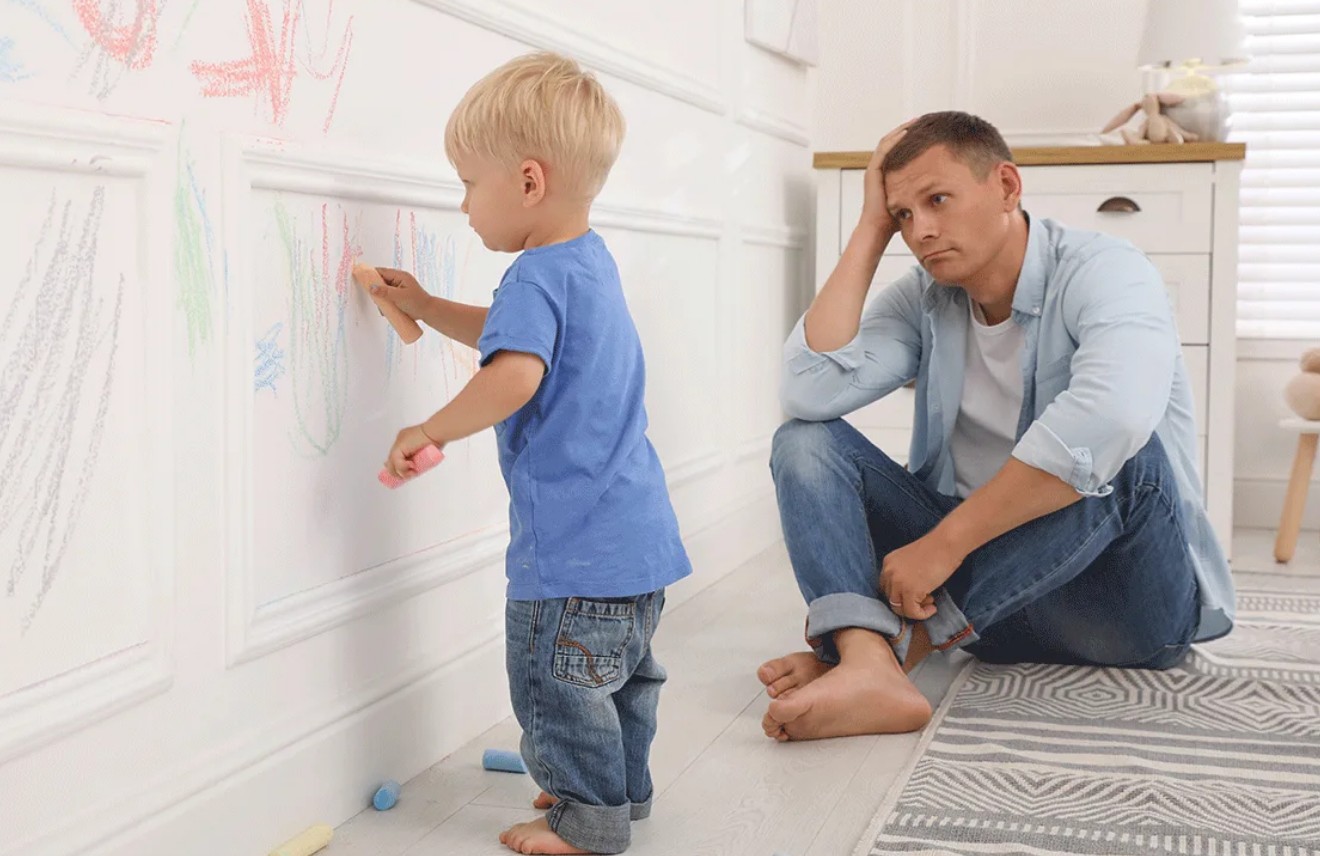
At its core, FAFO parenting rests on the notion that experiencing something firsthand will make it stick more than listening to repetition. When kids fail (ie Forget homework, squander their allowance), they begin to understand what cause and effect is in an enduring manner. These moments may be difficult but these are also the moments where significant learning occurs.
In spite of the 'sweary' name, FAFO parenting doesn't encourage dangerous behaviour. According to experts, it only works when it's about safe and age-appropriate consequences that are fully reversible. While a scraped knee for not listening at the park might be expected from the FAFO approach, serious injury is definitely not. Adults must always be vigilant and maintain safe boundaries.
Most parents that practice the FAFO method notice that children gain more confidence and are more independent with practice. When children can solve problems by themselves and are not used to adults rushing in, they are more resilient to the setbacks that inevitably happen. This is thought to be important for emotional fortitude.
Contrary to what many people believe, FAFO parenting is not cold or dismissive. If anything, it should always be accompanied by a gentle discussion of the consequences after they have been felt. The conversation shouldn't involve blaming or mockery; it should be aimed at fostering understanding and learning.

Many parents are tired of using gentle or helicopter parenting, where they essentially raise children without discomfort or failure. The general argument against this is that shielding kids from the harsh realities of life leaves them incapable of dealing with later disappointments, failures, and stressors, which are quite prominent in the adult world.
FAFO parenting has become popular because it's a response to this and is a method of teaching children lessons from an early age that will benefit them later on.
Is it the best way to raise children? Definitely not. However, it could be the perfect middle ground for raising kids that aren't overprotected or neglected.
Keep reading Herzindagi for more such stories.
Image Courtesy: Freepik
Also watch this video
Herzindagi video
Our aim is to provide accurate, safe and expert verified information through our articles and social media handles. The remedies, advice and tips mentioned here are for general information only. Please consult your expert before trying any kind of health, beauty, life hacks or astrology related tips. For any feedback or complaint, contact us at [email protected].