Wed Apr 1, 2026 | Updated 04:34 PM IST HZ Awards 2026

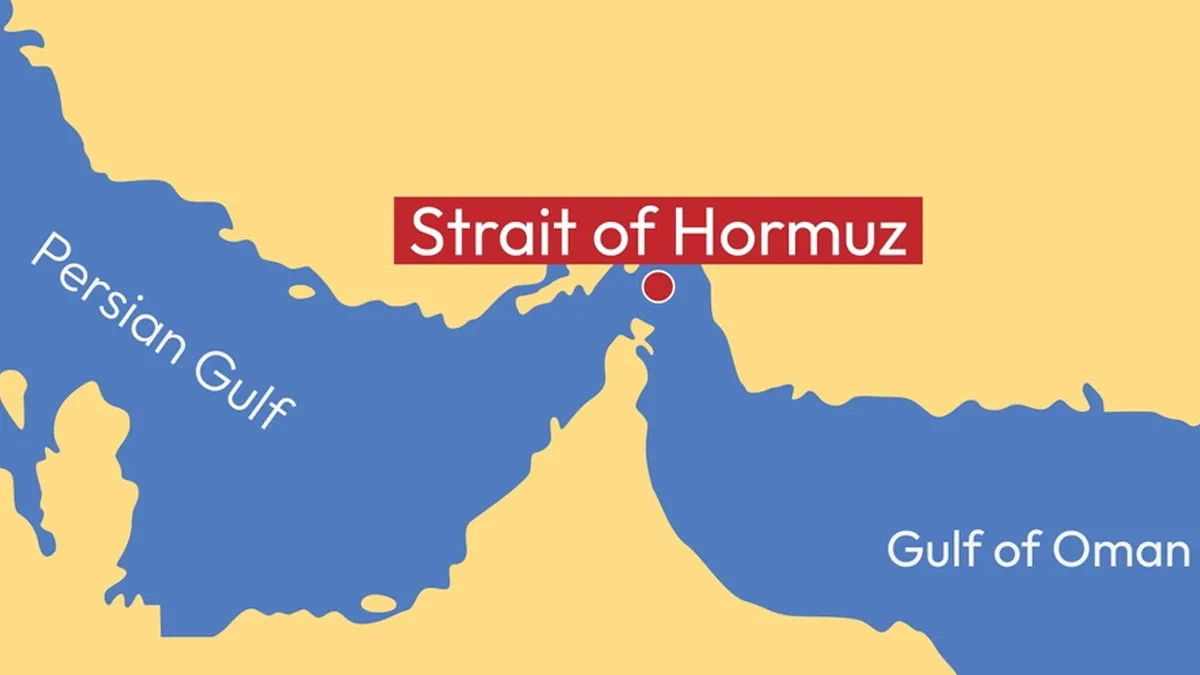
The ongoing Middle East crisis that has been going on for quite some time has escalated in nature ever since Iran IRGC declared the Strait of Hormuz closed. The Strait of Hormuz holds great importance as it is the critical maritime chokepoint which connects the Persian Gulf to the Indian Ocean. Through Hormuz, roughly 20% of global oil consumption (and 20% of liquefied natural gas (LNG) was being transported on a regular basis. Over the past couple of weeks, maritime traffic through the Strait of Hormuz has been disrupted. Several vessels have been attacked, and many others have been stuck on the two ends of the strait, unwilling to take the risk of passing through. To add to this, Iran has now issued one of its strongest warnings over the closure of the Strait of Hormuz, with the Islamic Revolutionary Guard Corps (IRGC). Let’s dive in to see how the closure of the Strait of Hormuz will affect food, medicines, LPG, petrol and more here!
On March 27, 2026, the Iran IRGC declared that the strategic waterway, Strait of Hormuz, had been closed. They have rolled out a strict warning that any ship attempting to pass through it will face a ‘harsh response’. Ebrahim Jabari, a senior adviser to the IRGC’s commander-in-chief, said, “The strait is closed. If anyone tries to pass, the heroes of the Revolutionary Guard and the regular navy will set those ships ablaze.”
With the closure of the Strait of Hormuz, the large supply of fertilisers will also be affected. According to the United Nations, around a third of the world's fertilisers, such as urea, potash, ammonia and phosphates, normally pass through the Hormuz Strait. The blockage of Hormuz shuts down urea and ammonia exports, causing fertiliser prices to spike. This new spike will then increase the cost of cultivating crops, directly affecting food prices.
-1774621635594.avif)
The countries of the Gulf Co-operation Council, such as Saudi Arabia, Qatar, Oman, the United Arab Emirates, Kuwait and Bahrain, alone account for around 6% of global petrochemical production capacity according to the BBC. All these countries use the Strait of Hormuz, and now that it is closed, people should expect a potential for higher medicine prices for households as a result of this disruption.
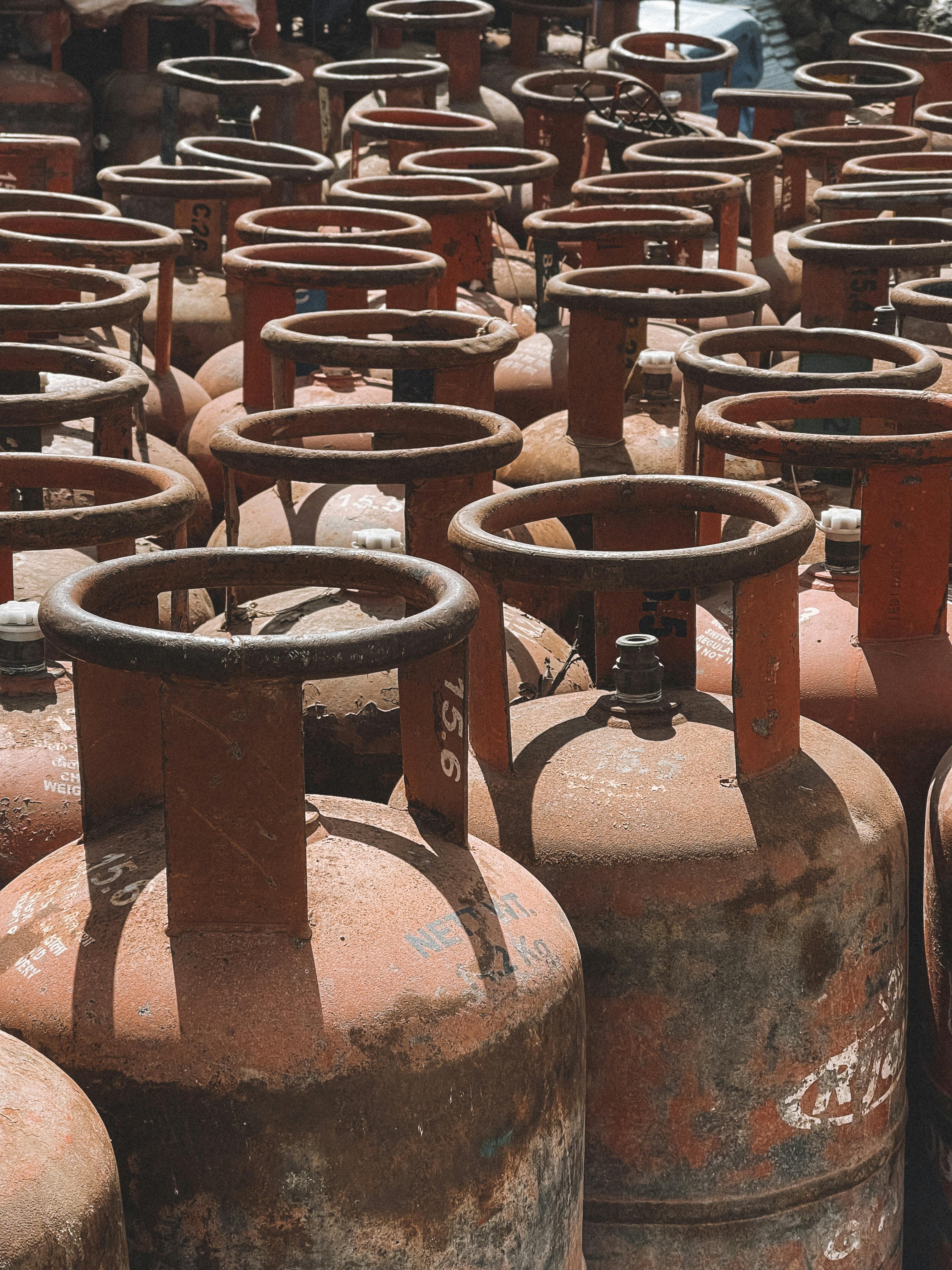
Many countries, especially India, have already been facing an LPG shortage due to the Middle East crisis. Over half of India's LPG imports are at risk, with the public having to go through daily booking surges and long waiting periods of 25 to 45 days for refills, causing significant pressure on distribution systems. This change has affected not only households but also restaurants and hotels.
ALSO READ- LPG Cylinder New Rules 2026: Why Gas Prices Are Rising And How It May Affect You
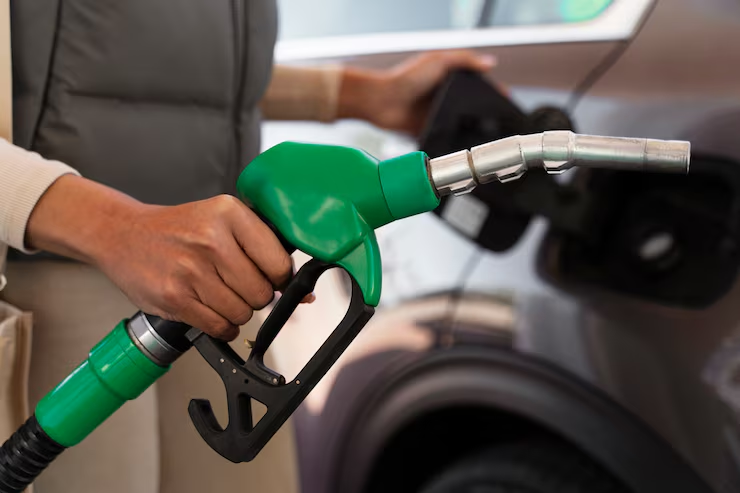
The Strait of Hormuz is also the route through which global oil passes. The closure of this route has sent shockwaves across global energy markets, causing petrol prices to surge due to the sudden interruption of supply. Countries in Asia have been deeply affected by this, especially India. The effects of oil and gas shortages are being felt across both homes and businesses.
Sulphur is another byproduct that we get from processing crude oil and natural gas. This byproduct is produced in large volumes for export in the Gulf region. Around half of the global seaborne sulphur trade normally passes through the Strait of Hormuz. The main use of sulphur is as an agricultural fertiliser, but it is also used for processing metal. From the sulphuric acid obtained from sulphur, processing of copper, cobalt and nickel is done. It is also used for the extraction of lithium.
ALSO READ- India Worships Women in Stone, But Has It Ever Truly Honoured Them? A Master Sculptor Answers
With the Strait of Hormuz being closed right now, its impact is being felt by several countries across the world. The closure has caused a devastating ripple effect across the global economy. By severing a primary route of transportation for energy, fertilisers, and raw materials, the IRGC’s blockade threatens food security, healthcare costs, and industrial stability. This escalating crisis demands urgent international intervention to prevent a prolonged humanitarian and economic collapse. We can only hope that the situation gets better because the surge in prices of daily necessities is making life harder for survival.
Image Credit: Shutterstock, Freepik, Pexels
For more such stories, stay tuned to HerZindagi.
Also watch this video
Herzindagi video
Our aim is to provide accurate, safe and expert verified information through our articles and social media handles. The remedies, advice and tips mentioned here are for general information only. Please consult your expert before trying any kind of health, beauty, life hacks or astrology related tips. For any feedback or complaint, contact us at [email protected].