Wed Apr 1, 2026 | Updated 08:31 AM IST HZ Awards 2026

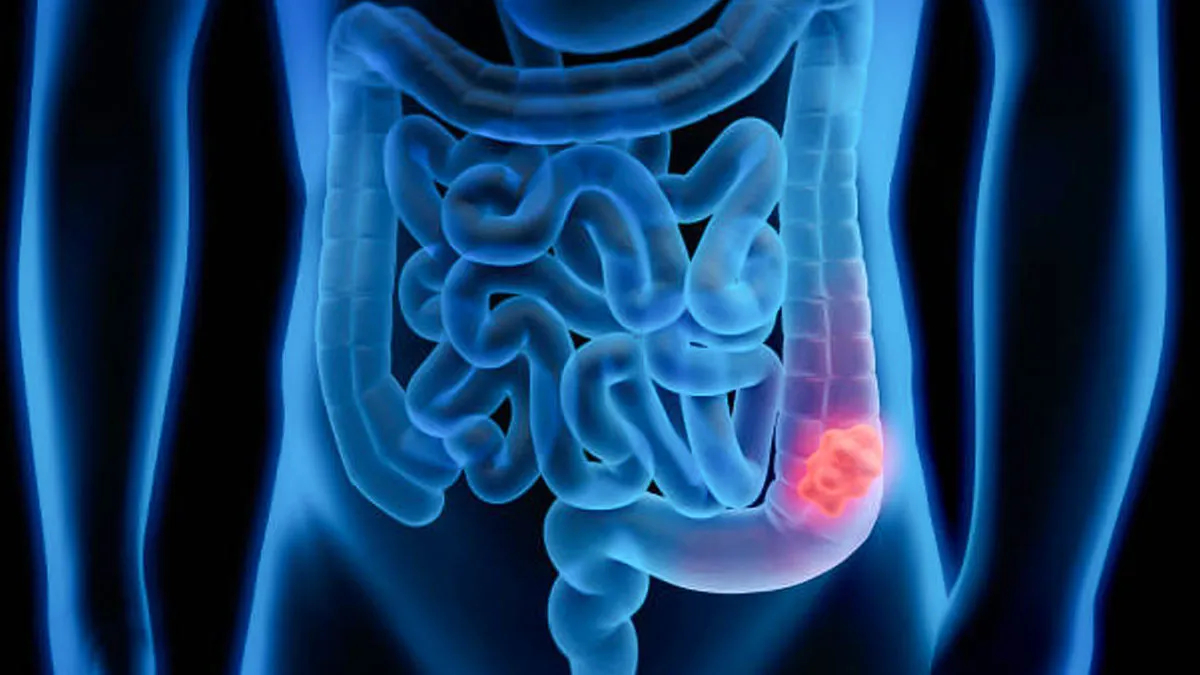
Spotting blood in the toilet bowl is usually enough to send anyone into a brief panic. Yet, within minutes, most of us talk ourselves down. We blame a lack of dietary fibre, long hours sitting at a desk, and quietly self-diagnose ourselves with a standard case of piles. It is a completely normal human reaction, but also incredibly dangerous.
Dr Kundan, a Consultant in Surgical Oncology at Manipal Hospitals in Ghaziabad, warns heavily against this exact habit.
"Most people see blood in their stool and immediately assume that it is piles, as it is a common issue," Dr Kundan explains. "While piles are indeed a frequent cause, assuming this without proper evaluation can delay the diagnosis of a far more serious condition, colorectal cancer."
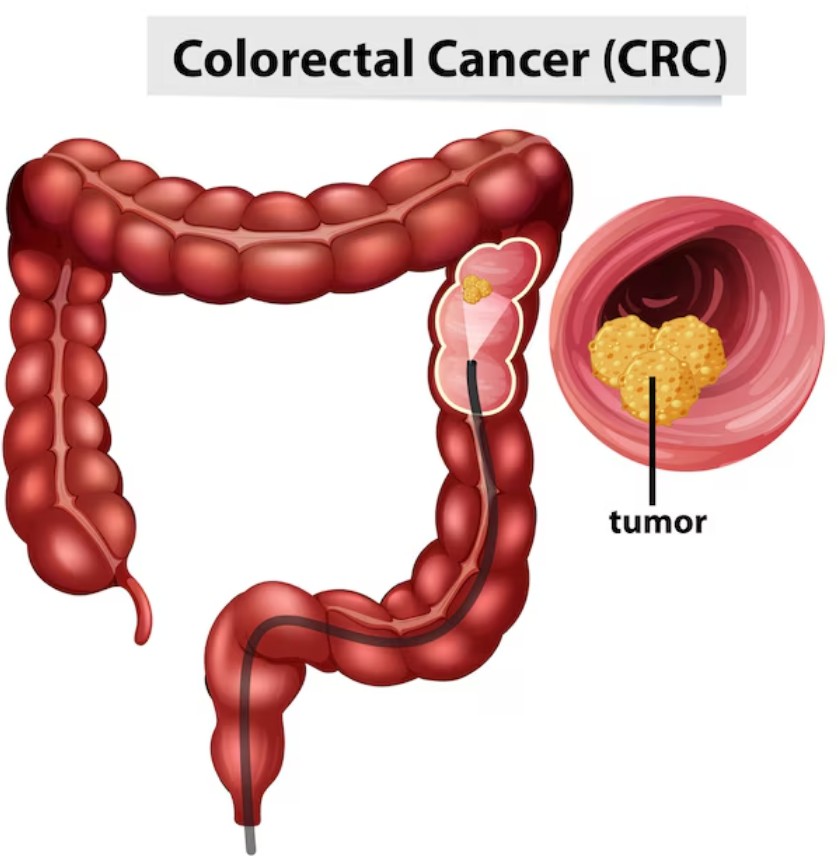
So, what exactly are we dealing with here? Colorectal cancer usually kicks off as tiny growths, known as polyps, inside the large intestine (the colon). You might not even know they are there at first. In fact, the World Health Organisation ranks it as the third most common cancer globally, making up roughly 10% of all cancer cases worldwide.
Early on, the disease stays quiet. But as the tumour grows, you will start noticing changes. Your bathroom routine might go completely haywire, frequent diarrhoea kicks in, and your stomach constantly aches. The blood itself can look quite different depending on where the bleeding actually starts. It might show up as bright red streaks on the tissue, turn your stool dark maroon, or even look pitch-black and tarry.
ALSO READ- 5 Health Conditions That Can Quietly Damage Your Kidneys
The biggest problem is that colorectal cancer and everyday haemorrhoids share almost identical early symptoms. Because modern, inactive lifestyles and terrible diets have made piles so incredibly common today, we naturally assume that is the problem. People head straight to the pharmacy for over-the-counter creams instead of booking a proper clinical exam. That simple delay gives a highly treatable tumour the perfect window to grow into something much worse.
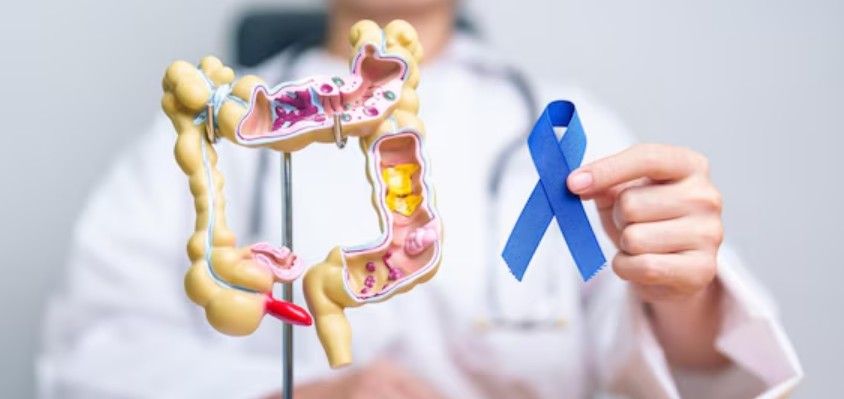
Beating this disease comes down to one thing: catching it before it turns nasty. Routine screening is your absolute best defence. A simple colonoscopy allows doctors to spot and remove small growths long before they ever become cancerous. It is infinitely better to endure a quick check-up now rather than waiting until you are bleeding heavily or in serious pain.
If doctors do find cancer, surgery is usually the next step to cut the tumour out. Surgeons might perform a colectomy to remove the diseased section of the colon, often using laparoscopic techniques (keyhole surgery), so you recover much faster. Sometimes, they will follow up with chemotherapy just to guarantee every single harmful cell is entirely wiped out.
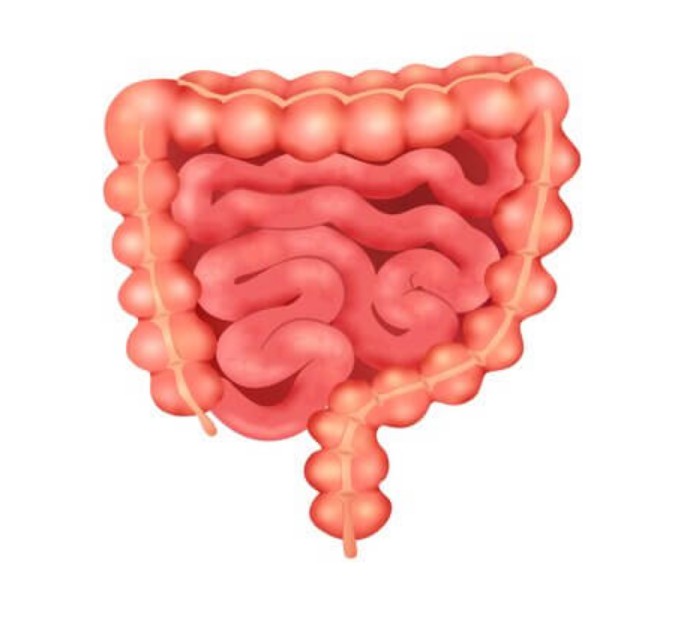
Do not play guessing games with your health. If you spot blood in your stool and it lasts more than a few days, keeps coming back, or brings other weird symptoms along for the ride, see a doctor. This is especially vital if you are over 45 or have a family history of bowel issues. Piles might be the most likely culprit, but risking a cancer diagnosis on an assumption is simply never worth it.
ALSO READ- 5 Warning Signs of Brain Disorders You Should Never Ignore, According To Neurologist
Keep reading Herzindagi for more such stories.
Image Courtesy: Freepik
Also watch this video
Herzindagi video
Our aim is to provide accurate, safe and expert verified information through our articles and social media handles. The remedies, advice and tips mentioned here are for general information only. Please consult your expert before trying any kind of health, beauty, life hacks or astrology related tips. For any feedback or complaint, contact us at [email protected].