Wed Apr 1, 2026 | Updated 12:33 PM IST HZ Awards 2026

In Indian cinema, death is rarely treated as a single, definitive moment. It arrives layered with rituals, routines and unresolved emotions, often revealing far more about the people left behind than the one who has departed. While mainstream films have traditionally framed death as tragedy or spectacle, a quieter body of Indian cinema has dared to make death its central character, not to shock, but to reflect.
These films understand that mourning is not a uniform experience. It can be awkward, transactional, philosophical or even darkly comic. Through funerals, ashes, pyres and silence, they ask a deeper question: what does it actually mean to let go?
Anand Gandhi’s ‘Ship of Theseus’ approaches death not through loss, but through inquiry. Structured as three interconnected stories, the film examines identity, justice and impermanence through an experimental photographer losing her sight, an ailing monk, and a pragmatic stockbroker.
One of the film’s most striking engagements with death comes through the idea of organ donation. When parts of the body are replaced or transferred, what truly constitutes the self? The ritual here is medical rather than religious, yet it carries the same existential weight. Death becomes a question mark, forcing viewers to confront whether identity survives physical change or dissolves with it.
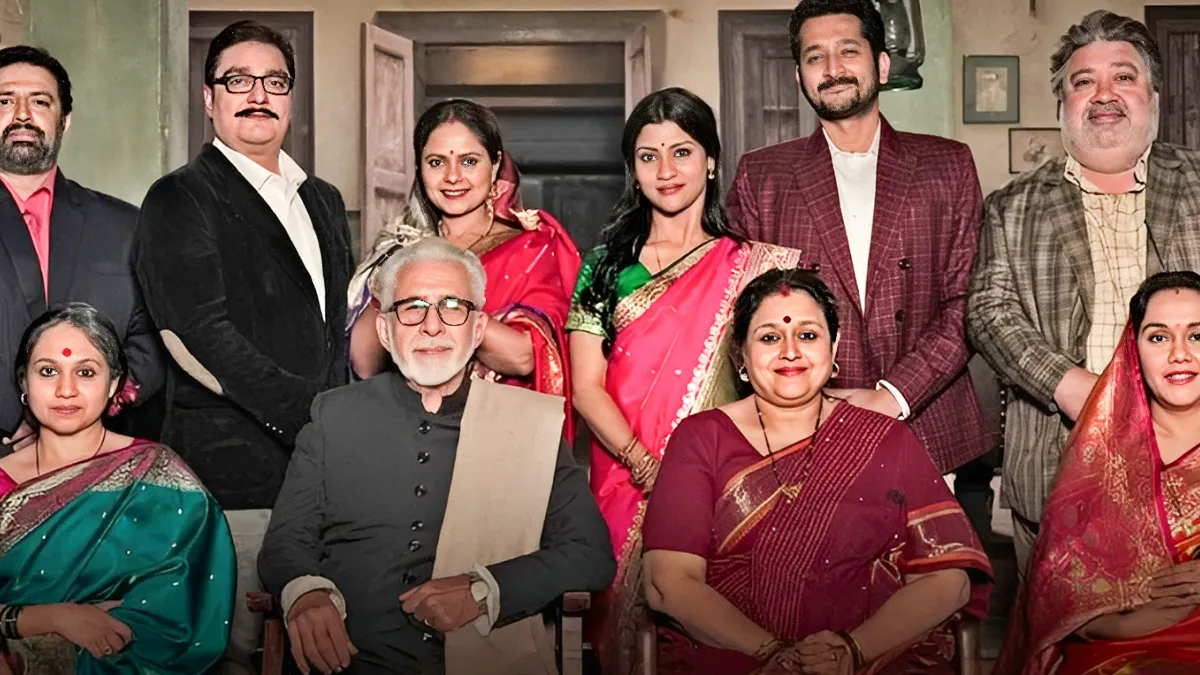
Set almost entirely within one house, ‘Ramprasad Ki Tehrvi’ observes a family gathered for the thirteen-day mourning period following the death of its patriarch. What unfolds is not heightened drama, but an eerily familiar portrait of middle-class life.
Grief competes with routine. Old resentments resurface over tea. Conversations drift from loss to logistics. The tehrvi ritual becomes a social pressure cooker, exposing emotional exhaustion, performative mourning and the quiet relief some feel once expectations are fulfilled. Death, here, is less about sorrow and more about how families coexist with absence.
Don't Miss: 5 Impactful Films Every Student Must Watch on OTT
Few films capture the coexistence of life and death as poignantly as ‘Masaan’. Set in Varanasi, where funeral pyres burn endlessly by the Ganges, the film juxtaposes mourning with desire, shame with hope.
Death is omnipresent but never overwhelming. Bodies are cremated while young lovers exchange glances nearby. Loss does not halt life; it runs parallel to it. The film treats death as a constant companion, shaping choices and regrets, yet also offering the possibility of redemption and renewal.
In ‘Thithi’, the death of a 101-year-old man becomes the starting point for chaos rather than solemnity. Relatives argue over rituals, property and pride, exposing greed and generational conflict with biting humour.
The funeral is less about honouring the dead and more about negotiating the living. Tradition becomes performance, and grief feels suspiciously convenient. By leaning into satire, the film strips death of false reverence, revealing how rituals often mask selfish impulses.
Together, these films resist easy sentimentality. They recognise death not as a narrative full stop, but as a mirror reflecting society’s contradictions, beliefs and fears. Whether philosophical, intimate, romantic or absurd, each story finds meaning in remembrance, and in the uncomfortable truth that letting go is rarely graceful.
Don't Miss: Stranger Things Secret Episode 9? All About The Conformity Gate Theory All About?
Keep reading Herzindagi for more such stories.
Our aim is to provide accurate, safe and expert verified information through our articles and social media handles. The remedies, advice and tips mentioned here are for general information only. Please consult your expert before trying any kind of health, beauty, life hacks or astrology related tips. For any feedback or complaint, contact us at [email protected].