Sun Mar 22, 2026 | Updated 09:46 AM IST HZ Awards 2026

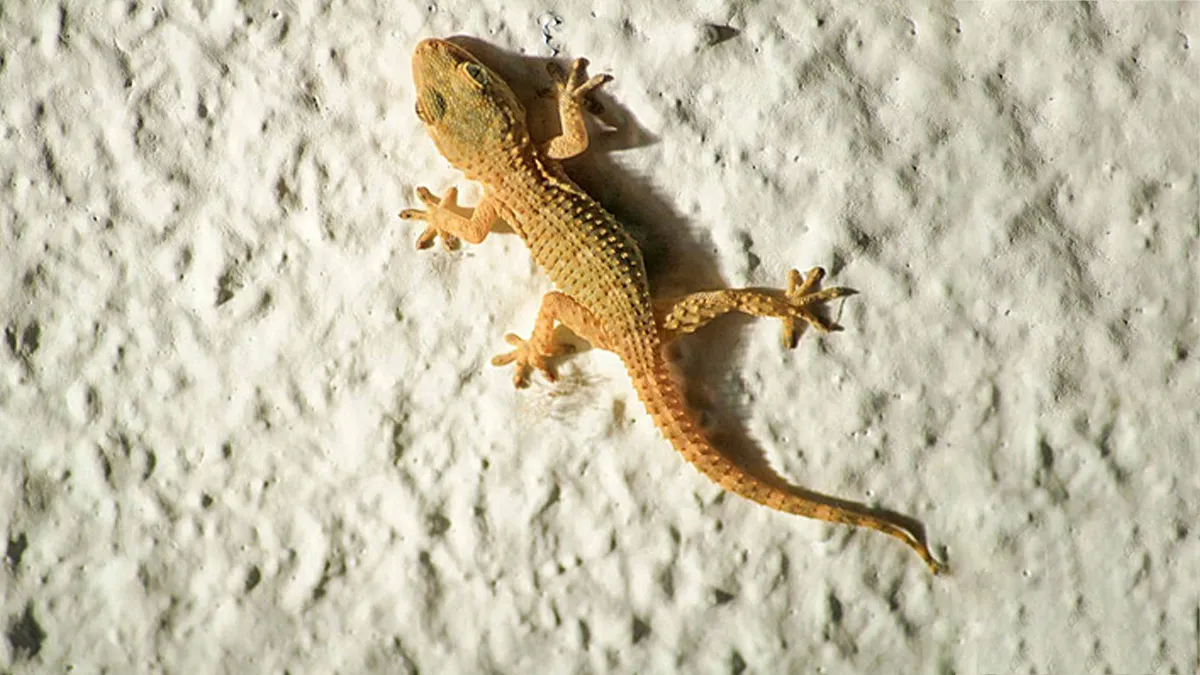
House lizards are a familiar sight in many Indian households, especially in warm and humid climates. They are attracted to insects, artificial lighting, and small cracks that offer easy shelter. While mostly harmless, their sudden movements and presence in kitchens or bedrooms can be unsettling for many people, prompting a search for natural and safe ways to keep them away.
One traditional method that continues to spark curiosity is the use of peacock feathers. But is there a real reason behind this practice, or is it just folklore?
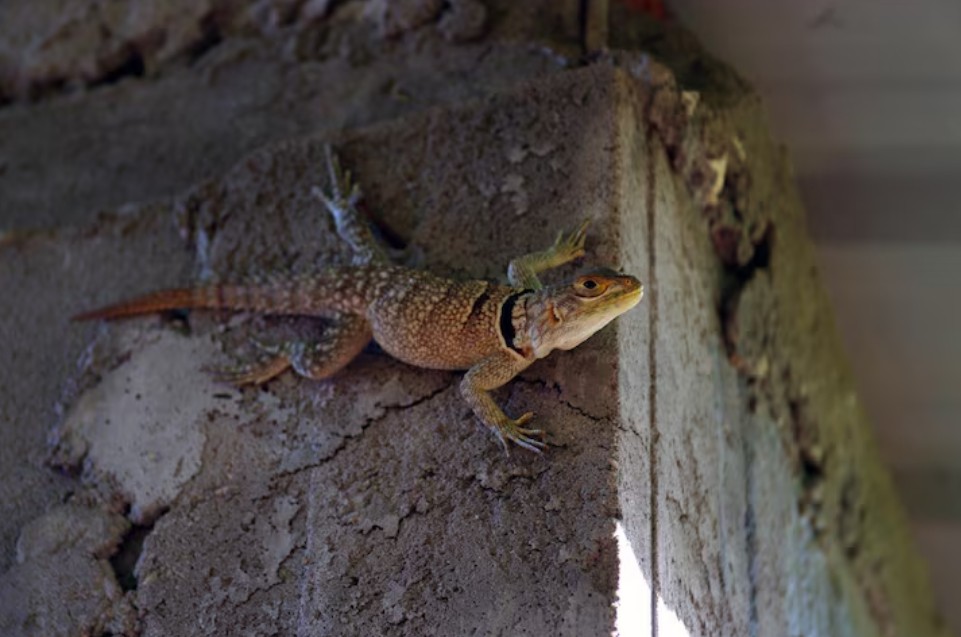
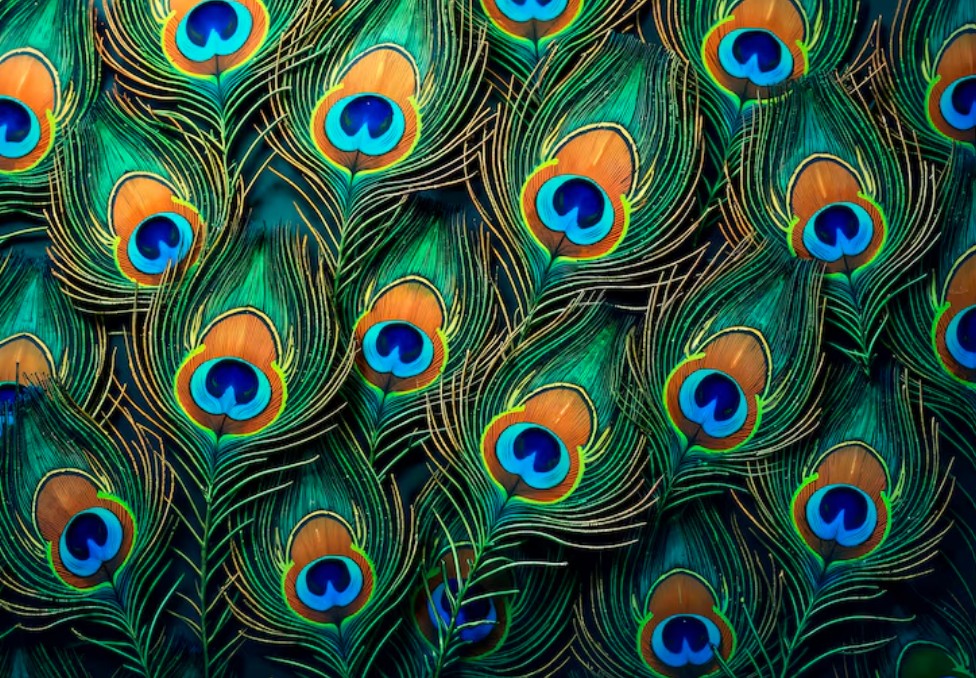
The fear lizards display towards peacock feathers is largely rooted in instinct and visual perception. Peacock feathers are covered in striking eye-like patterns known as eyespots. These patterns closely resemble the eyes of larger predators, triggering a survival response in small reptiles.
Lizards rely heavily on visual cues to detect danger. When they sense what appears to be a predator watching them, their immediate reaction is to flee. The eyespots on peacock feathers create this illusion effectively, convincing lizards that they are being observed by a threat.
Another contributing factor is the feather’s iridescent surface. Peacock feathers reflect light in shifting shades of blue and green. When air moves the feather slightly, these changing colours can mimic motion, further heightening a lizard’s fear response. This combination of perceived movement and watchful “eyes” activates their flight instinct.
From an evolutionary perspective, lizards that react quickly to visual threats are more likely to survive. Over time, this sensitivity to shapes resembling predators has become deeply ingrained. The feathers of the peacock unintentionally exploit this instinct, making them an effective natural deterrent without causing harm.
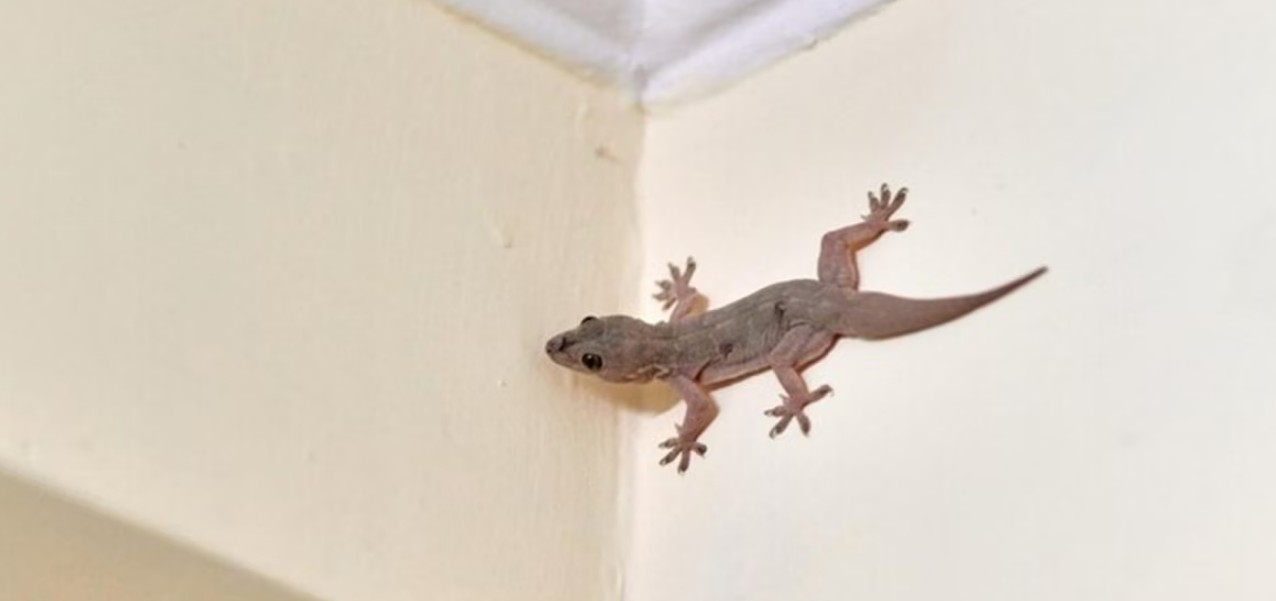
Peacock feathers can be used safely at home without chemicals or traps. The key lies in strategic placement rather than quantity.
Best places to keep peacock feathers:
Occasionally, moving the feathers can enhance their effect, as slight changes in position help maintain the illusion of movement and threat.
ALSO READ- Decoding Dreams: Lizards In Your Dreams May Give You Hints About Your Life; Read Here
Unlike sticky traps or chemical sprays, peacock feathers pose no risk to children or pets. They do not injure lizards but simply discourage them from entering or staying in certain areas. While results may vary from home to home, many people find this method helpful when combined with general cleanliness and pest control.
Beyond biology, peacock feathers hold cultural significance in many Indian households, often believed to ward off pests and negative energies. While science does not support these beliefs directly, the consistent observation of lizards avoiding feathers has helped keep this practice alive across generations.
ALSO READ- 6 Natural Plants That Help Keep Lizards Out of Your House
Keep reading Herzindagi for more such stories.
Image Courtesy: Freepik
Also watch this video
Herzindagi video
Our aim is to provide accurate, safe and expert verified information through our articles and social media handles. The remedies, advice and tips mentioned here are for general information only. Please consult your expert before trying any kind of health, beauty, life hacks or astrology related tips. For any feedback or complaint, contact us at [email protected].