Sun Feb 15, 2026 | Updated 08:53 AM IST

A very happy New Year to all of you.
Every year, as January begins, we make resolutions. We promise ourselves we will eat better, move more, sleep well, and take better care of our families. But there is one resolution many women forget to make. To understand money matters better.
If you have been reading this column from the beginning, you know that every week we meet right here to talk about money in a simple, practical way. Not complicated charts, not intimidating jargon, but real conversations about savings, investments, protection, and choices. And if you are joining us for the first time this new year, welcome. You have come to the right place. Financial understanding is not about becoming an expert. It is about feeling confident and informed in decisions that affect your life every single day. Let understanding money be one of your resolutions this year. And as we step into 2026, I want to talk about something that sparkled the most in 2025. Not gold. Silver.
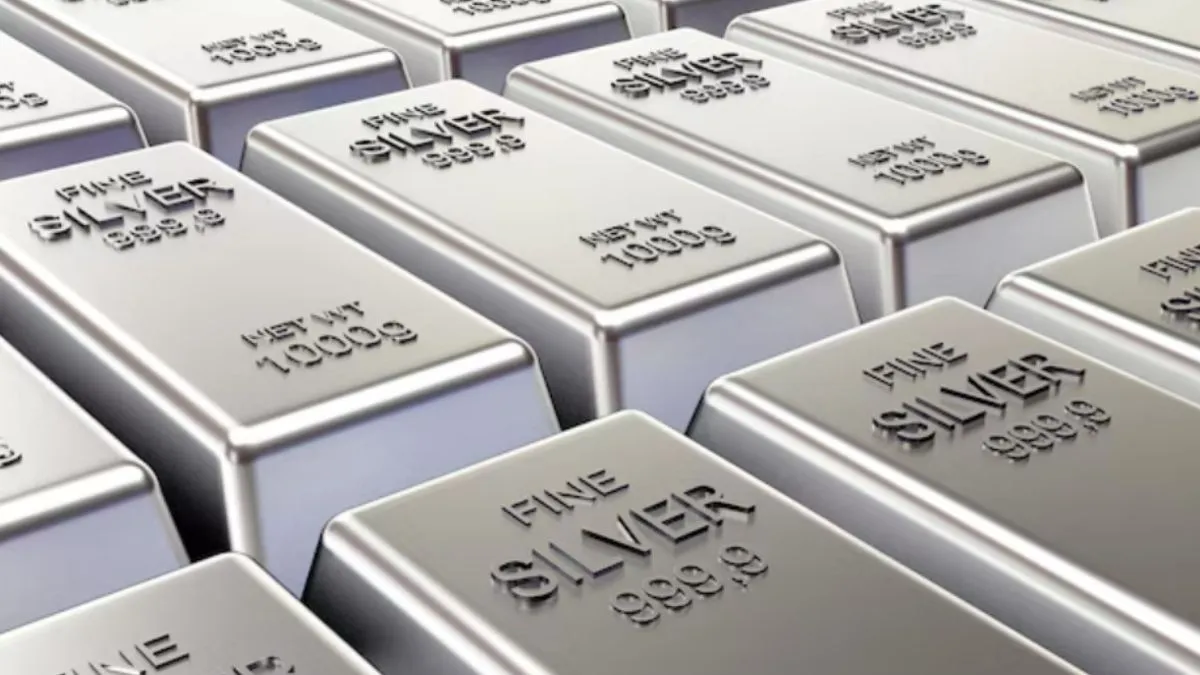
Many of you have written to me asking the same question. “Silver ke daam itne tezi se kyun badh gaye?” That curiosity is a good sign. It tells me women are no longer just owning assets, they are trying to understand them.
So let us understand silver calmly, without excitement and without fear.
First, what exactly is silver?
Silver is a commodity. Unlike shares or mutual funds, it does not represent ownership in a business. It does not earn profits or compound year after year. Its price moves mainly because of supply and demand. When demand rises faster than supply, prices rise. When supply catches up or demand slows, prices fall.
For a long time in India, silver was treated mainly as a precious metal. We bought it for weddings, festivals, and gifting. That thinking was not wrong. Silver preserved value across generations. But today, silver wears another hat.
ALSO READ- How To Start Investing: A Beginner’s Guide For Women - Money Matters
Silver is also an industrial metal. It is used in solar panels, electric vehicles, electronics, medical equipment, and many technologies that the world is rapidly adopting. More than half of global silver demand now comes from industrial use. As the world invests heavily in clean energy and technology, silver demand naturally increases.
At the same time, silver supply is limited. Silver mining does not increase easily. New mines take many years to develop. Recycling helps, but it cannot fully meet rising demand. This long-standing gap between demand and supply is one of the reasons silver prices moved so sharply in recent times.
Let us now come to the numbers everyone is talking about.
In India, at the beginning of 2025, silver was trading around ₹87,000 to ₹90,000 per kilogram. By late December 2025, prices surged past ₹2,50,000 per kilogram. That is a rise of roughly 180 to 190 percent in just one year. This explains why silver suddenly felt like the most exciting asset of the year.
But history teaches us an important lesson.
Silver is volatile.
On April 25, 2011, silver touched around ₹75,000 per kilogram in India. After that peak, prices fell sharply and remained weak for years. It was only around 2023 that silver again crossed the ₹75,000 level. This means that if someone bought silver at the peak in April 2011, they would have seen almost zero price appreciation for nearly twelve years.
This is a caution every investor must remember. Silver can rise dramatically, but it can also test patience for long periods. It is not a straight-line investment. It rewards those who hold with realism, not those who chase excitement.
So has silver become a new asset class? The honest answer is no. Silver is still a tactical asset, not a core one. It does not replace equity, mutual funds, or long-term investing. It does not generate income. It does not compound. It protects value in certain phases and benefits from specific global trends, but it should never dominate your portfolio.
Think of silver as a supporting actor, not the hero of your financial story.
Indian women understand this instinctively. For decades, silver was never bought to flip for profit. It was bought to hold. To preserve. That long holding period is exactly why silver quietly worked in many households.
Today, women also have more options. Physical silver has emotional value, but it comes with storage and resale challenges. Regulated financial options like silver ETFs and silver mutual funds allow exposure without handling metal. Some even allow regular investments similar to SIPs, which suit the natural saving rhythm many women already follow.
One important caution is necessary. Indian regulators have warned investors about certain digital gold and silver products sold through apps that are not regulated like mutual funds or ETFs. In simple words, if it is not clear who regulates the product and how your investment is protected, it is better to stay away.
As you begin this new year, the question is not whether silver will rise further or fall tomorrow. The better question is simpler.
ALSO READ- Why Money Needs To Grow And Why We Must Move Beyond Stashing It In Cupboards
Does silver fit into my financial life, in the right amount, for the right reason?
We will meet again next week. If you have any questions, suggestions or feedback, please write to me at [email protected]. Until then, let this new year be the year you stay curious, ask questions, and take ownership of your financial life. Because Laxmi grows strongest where understanding begins.
Image Credit: Freepik
If you liked this story, then please share it. To read more such stories, stay connected to HerZindagi.
Also watch this video
Herzindagi video
Our aim is to provide accurate, safe and expert verified information through our articles and social media handles. The remedies, advice and tips mentioned here are for general information only. Please consult your expert before trying any kind of health, beauty, life hacks or astrology related tips. For any feedback or complaint, contact us at [email protected].