Tue Mar 17, 2026 | Updated 09:03 PM IST

-1773313544904.webp)
Body positivity was a buzzword for many of the last few years. Stretch marks were accepted, belly bulges normalised, and plus-sized models graced magazine covers. Finally, the world seemed to be accepting and applauding different body shapes and sizes and waving goodbye to pre-conceived notions of the ‘perfect body’. Then, rapid weight loss drugs that promised a transformation in just a few months entered the market.
In the last two years, rapid weight loss drugs originally developed to deal with Type 2 diabetes, like Ozempic and Mounjaro, have exploded in popularity. Speculation about celebrities using these drugs and debates about why people want to hop onto these bandwagons have become commonplace.
If the ideal body size is now so easily achievable, and often presented as aspirational, the one important question remains: Is the body positivity movement losing ground, or evolving?
The cultural moment around Ozempic began quietly but escalated quickly.
Celebrities and influencers sparked conversations online whenever they were spotted having slimmer bodies.
Popular comedian Aishwarya Mohanraj publicly talked about her weight loss journey using Mounjaro. She recalled being skinny growing up, and then gaining a lot of weight while dating and after her marriage a couple of years ago. She suffered from PCOD and other conditions that made weight loss difficult, despite working out and eating healthy. That’s when she turned to Mounjaro.
"That month, I lost 4 kilograms. I took this drug every week for 6 months. In these 6 months, my weight reduced from 74 kilograms to 52 kilograms. It's rapid. It's mad. It's crazy and insane,” she said in a YouTube video.-1773313682670.jpg)
Mounjaro is a diabetes and weight-loss drug, that was launched in India in March 2025.
She elaborated on the side effects, saying, "The first month, I had intense nausea... I lost a lot of hair... I would be remiss if I did not mention how expensive this drug is. It truly is. It costs Rs. 4,000 per shot. So you can do the math."
The popularity of these drugs skyrocketed around the world. The phenomenon was so culturally dominant that the phrase “Ozempic face”: referring to facial volume loss linked with rapid weight loss, started trending across Instagram and other social media platforms.
In the wake of these, many conversations shifted to where the body positivity movement was headed, when weight loss had become so easily achievable.
Some critics argued that the rise of weight-loss drugs could undo years of progress.
The body positivity movement emerged as a pushback against diet culture and unrealistic beauty standards. It emerged to make women feel seen and heard, despite their sizes, and emphasised that bigger bodies were equally deserving of care, love, attention and joy.
ALSO READ- Ozempic for Weight Loss in India: Price, Side Effects, Risks and What Experts Say
But rapid, visible transformations, especially when presented as aspirational, could possibly reinforce the same ideals the movement tried to dismantle.
When influencers frame weight loss as “fixing” parts of their bodies, double chins, belly fat, or arms, it subtly signals that those features were problems to begin with.
Lifestyle creator Kritleen Sidhu believes transparency is key.
“We live in a very impressionable digital age. When creators talk about ‘fixing’ parts of themselves without context, it can unintentionally reinforce the idea that certain features need correcting,” she said.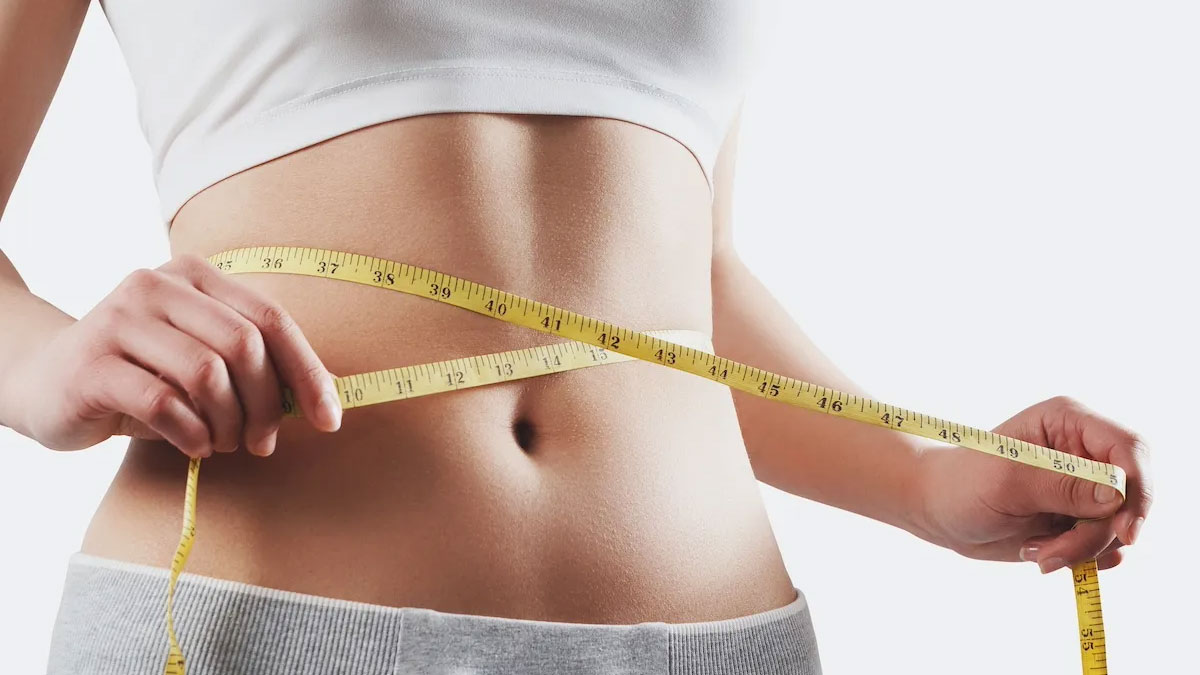
Kritleen has herself been navigating her own postpartum fitness journey, and has had phases where insecurities around her weight had kicked in.
Sidhu advocates honesty from creators about procedures, medication use, or cosmetic tweaks. “If you’ve had work done or used certain methods, be open about it. Transparency protects younger audiences from unrealistic comparisons,” she added.-1773313959524.jpg)
Another big debate that comes up, pits weight loss drugs against the movement as a whole. The issue there is the moral high ground most seem to be operating from.
ALSO READ- Ozempic Rival Mounjaro Launched In India: Price, Side Effects, Comparison, And More
Kritleen cautioned against moralising people’s choices.
“I think it’s important not to judge. For some people, these medications can genuinely be life-changing, especially if they’re dealing with health conditions like insulin resistance or diabetes. If something medically prescribed helps someone get on a healthier path, more power to them,” she said.
Social media is perhaps the most influential factor when it comes to fuelling unrealistic standards and provoking insecurities. Filters and tools aid this.
Under these circumstances, simple styling aids and cosmetics also get dragged into the conversation of authenticity.
Shapewear is one of these, which helps contour bodies and tuck in bellies, helping achieve a more sculpted look. Kritleen sees them as neutral styling aids rather than symbols of shame.
“Shapewear is perfectly fine. Sometimes it just helps clothes sit better, and that’s okay. It shouldn’t come from shame; it can simply be a styling tool,” she said.
The body positivity movement harped on loving one’s body regardless of shape or size. The new direction is perhaps embracing choice as a key factor in the conversation.-1773313852354.jpg)
That might mean embracing stretch marks.
Or pursuing weight loss.
Or undergoing cosmetic treatments.
In this framework, self-love and self-improvement aren’t mutually exclusive.
Kritleen thinks that the two ideas can happily coexist.
“Body positivity doesn’t mean you stop working on yourself. It means you accept yourself as you are, even while you’re on a journey. Acceptance and growth can coexist,” she said.
The discourse should perhaps shift from body positivity to body autonomy – where women feel comfortable in their bodies, despite their journey and relationship with weight. It should perhaps incorporate ‘choice’ as a guiding keyword, where women feel okay to choose what’s best for them, without fear of judgement.
As Sidhu put it simply: “Your body is not your enemy. It’s your lifelong companion.”
Also watch this video
Herzindagi video
Our aim is to provide accurate, safe and expert verified information through our articles and social media handles. The remedies, advice and tips mentioned here are for general information only. Please consult your expert before trying any kind of health, beauty, life hacks or astrology related tips. For any feedback or complaint, contact us at [email protected].