Wed Apr 1, 2026 | Updated 09:53 AM IST HZ Awards 2026


K-dramas have become a big part of global entertainment, and many viewers pick up Korean words without even realising it. From emotional confessions to everyday conversations, these shows repeat simple phrases that are easy to remember. Being a fan of K-dramas, I started noticing these words while watching my favourite dramas, and over time, they became familiar and fun to use in daily life.
In this article, we will tell you about popular Korean words you must have seen in K-dramas, along with their meanings in English to help you understand dialogues more easily and enjoy the stories even better.
Hello (polite). Common greeting used when meeting someone for the first time or in formal situations.
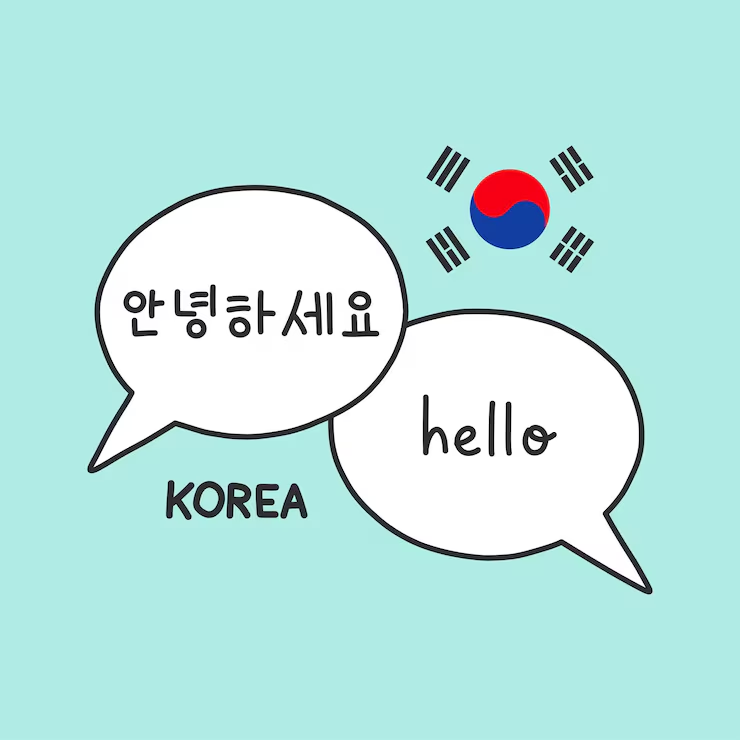
Hi / Bye (informal). Used with friends or people of the same age or younger.
I love you. Frequently heard in romantic K-drama moments.
Term used by a younger female to address an older male (older brother or close older male friend).
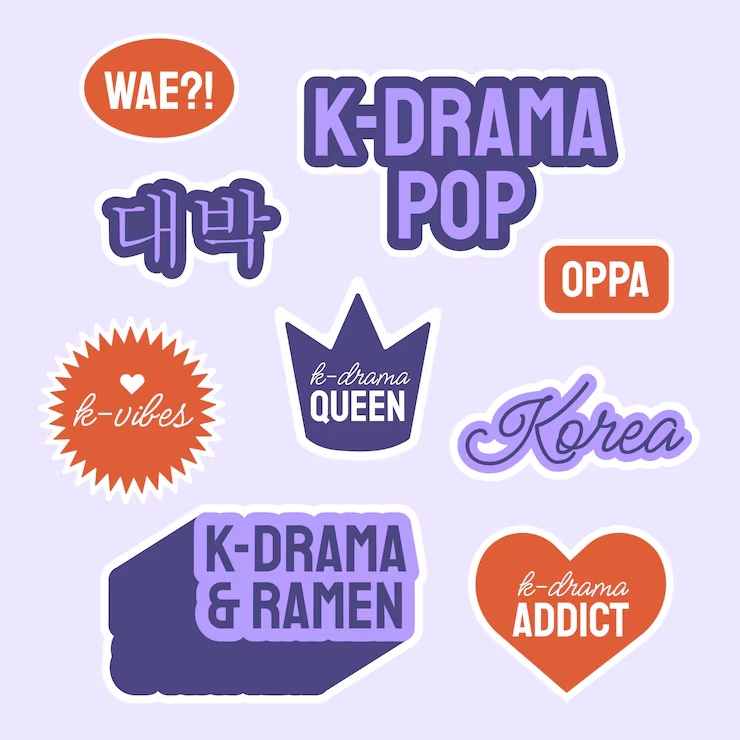
Thanks (informal). Used among friends in casual conversations.
Thank you (formal). Used in polite or professional situations.
Sorry (informal). Common in emotional or apologetic scenes.
I’m sorry (formal). Used when showing deep respect or regret.
Really? Expresses surprise or disbelief in conversations.
Why? Often used when questioning someone’s actions.
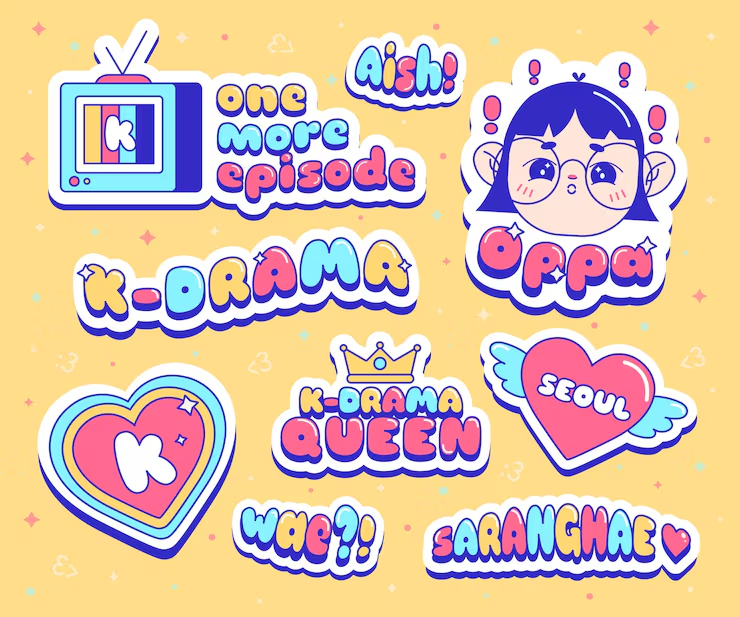
Awesome / Amazing. Used to express excitement or shock.
Oh dear / Oh no. Shows frustration, pity, or mild disappointment.
Are you okay? Common in caring or comforting moments.
I’m okay / It’s fine. Used to reassure someone.
Fighting / Good luck. A phrase used to encourage someone.
Rice / Meal. Refers to food in general in everyday speech.
Good night. Said when someone is going to sleep.
I miss you. Often used in emotional or romantic scenes.
I’m serious. Used to emphasise honesty or sincerity.
Where are you? Common in casual chats and phone calls.
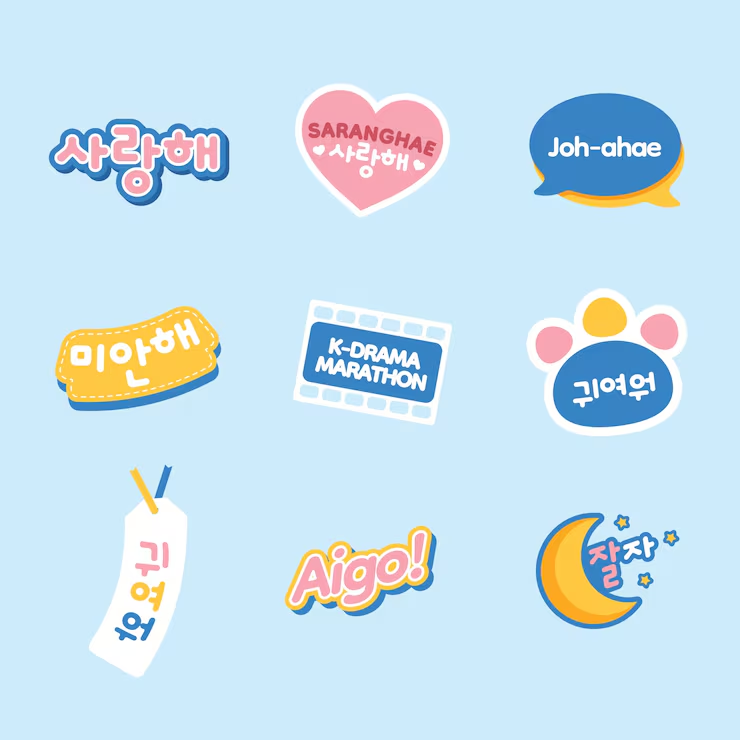
Yes. A polite and simple way to agree or respond.
No (formal). Used in polite replies or disagreements.
Well done / Good job. Used to praise or appreciate someone.
What? Used when someone is surprised or confused.
We / Our. Often used to refer to people in a close or shared group.
Here. Used when indicating a place or location nearby.
There. Refers to a place that is not nearby.
How? Often used when asking for a solution or reacting to a situation.
Okay / Alright. Used to agree or acknowledge something.
ALSO READ- Vivo V70 FE India Launch Date Confirmed: Check Camera Features, Specifications, Battery and More
Don’t go. Commonly heard in emotional or dramatic farewell scenes.
Understanding these Korean words and expressions helps you follow conversations better and connect more with your favourite K-drama or movies.
For more such stories, stay tuned to HerZindagi.
Image credit: Freepik
Also watch this video
Herzindagi video
Our aim is to provide accurate, safe and expert verified information through our articles and social media handles. The remedies, advice and tips mentioned here are for general information only. Please consult your expert before trying any kind of health, beauty, life hacks or astrology related tips. For any feedback or complaint, contact us at [email protected].