Wed Apr 1, 2026 | Updated 12:36 PM IST HZ Awards 2026

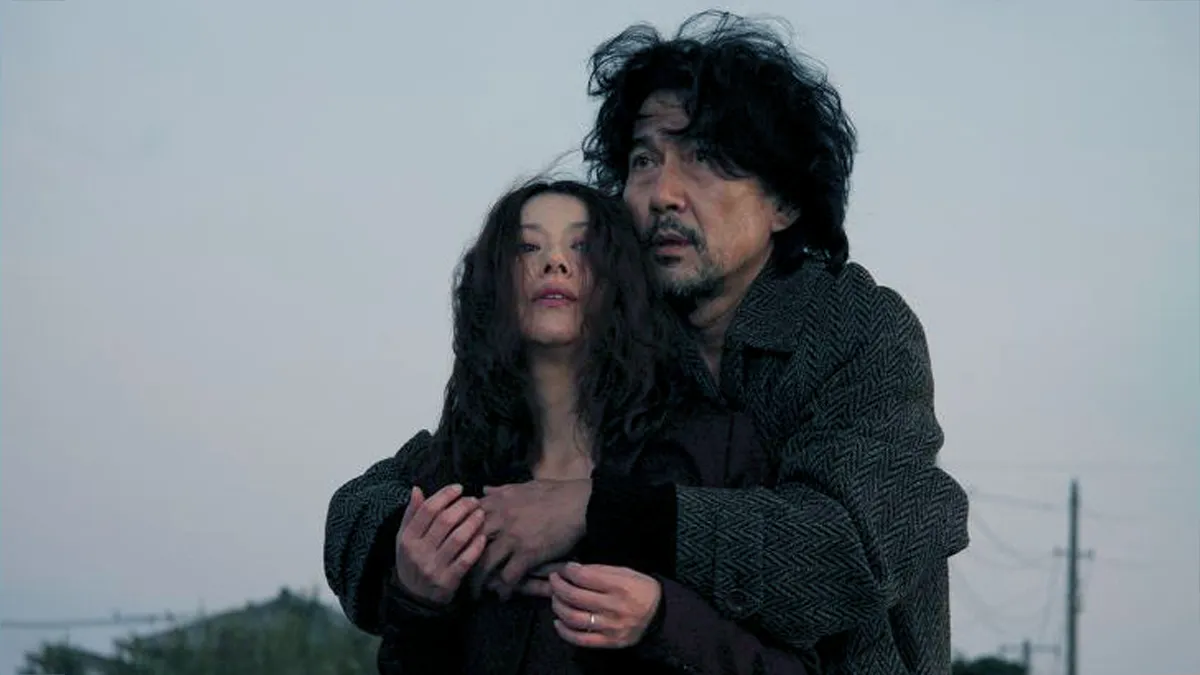
If you are a massive fan of Japanese cinema, February 2026 is the ideal time to explore some of its finest works. Whether you like psychological thrillers, historical swordfights or heartbreaking Japanese drama, these seven films will take you on a fantastic journey.
Here's a list of seven Japanese Films You Should Watch this February 2026:
Before the horror wave brought by ‘Ring’, Kiyoshi Kurosawa redefined psychological horror with Cure. The story follows a detective pulled into a series of senseless murders, aided by a man whose hypnotic power can warp anyone’s will. Ordinary objects, like sweaters, lighters, and even water, become tools of unease, making Cure a haunting experience that lingers long after the credits roll.
Shōhei Imamura presents a raw and unsettling dive into the depths of human nature. The film centres on Sadako, a woman whose life is upended by an obsessed burglar, sending her down a path of obsession and peril. Imamura’s candid camera work and fearless handling of tough subjects, including unforgettable train sequences, make this film just as disturbing on the second viewing as the first.
‘Kwaidan’ weaves together four traditional Japanese ghost stories into a visual masterpiece. With painted backdrops and stylised sets, every frame captivates with its chilly beauty. Beyond the supernatural, the film explores themes of love, loss, and mortality, earning both the Cannes Special Jury Prize and Japan’s first Oscar nomination for Best Foreign Film.
Ryūsuke Hamaguchi’s ‘Drive My Car’ made history as the first Japanese film nominated for the Best Picture Oscar and won for Best Foreign Language Film. Adapted from Haruki Murakami’s short story, the film follows a widowed director and his reserved chauffeur as they navigate grief and connection during a multilingual stage production. Its slow-burning pacing and quiet depth invite viewers to reflect on humanity and healing.
With ‘Yojimbo’, Akira Kurosawa created a classic that inspired countless Westerns, including ‘A Fistful of Dollars’. Toshiro Mifune commands the screen as a wandering ronin caught in a town split by warring gangs. The film balances satire and action with unforgettable swagger, cementing its place as one of cinema’s coolest and most influential movies.
Kenji Mizoguchi’s ‘Ugetsu’ blends ghostly atmosphere with a poignant anti-war message. Set during the Japanese Civil War, it follows a potter whose quest for fortune leads him into the arms of a supernatural seductress. The film’s poetic visuals and aching tragedy mark it as both a haunting ghost story and a meditation on the destructive pull of ambition in times of conflict.
Hirokazu Kore-eda’s ‘Like Father, Like Son’ gently explores the meaning of family. When two families discover their sons were switched at birth, they face a cascade of emotional and philosophical challenges. Kore-eda’s signature restraint and empathy shine in this quietly powerful film, which invites viewers to reconsider what truly makes a parent.
Japanese cinema has always pushed boundaries and explored the depths of the human experience.
Keep reading Herzindagi for more such stories.
Our aim is to provide accurate, safe and expert verified information through our articles and social media handles. The remedies, advice and tips mentioned here are for general information only. Please consult your expert before trying any kind of health, beauty, life hacks or astrology related tips. For any feedback or complaint, contact us at [email protected].