Tue Mar 17, 2026 | Updated 07:09 PM IST

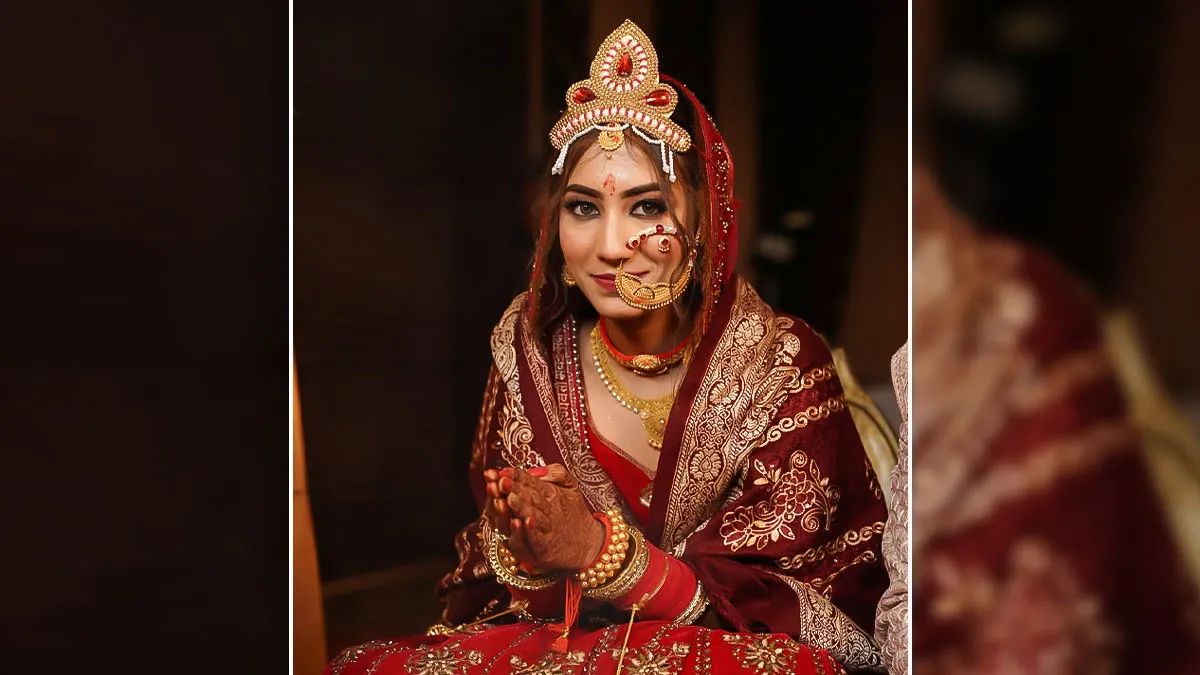
In an Indian wedding, jewellery is never just an accessory. It carries memory, ritual and emotion. It is the quiet moment when a sister helps fasten bangles. It is a mother adjusting a necklace with trembling hands. It is a grandmother smiling as she passes down something she once wore herself.
Across India, bridal jewellery changes in design, material and symbolism, yet the feeling remains the same. Every ornament marks the transition into a new chapter of life.
Here is a closer look at traditional bridal jewellery from different Indian states and the meaning behind each piece.
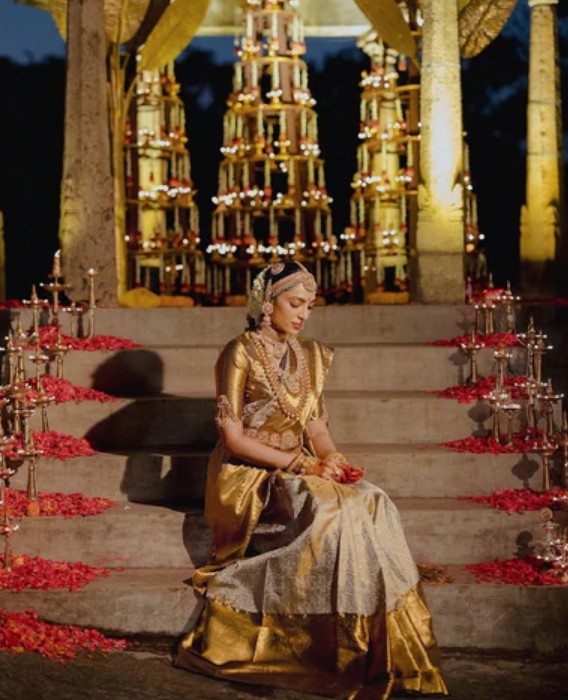
In Telugu weddings, the Basikam is a sacred thread adorned with a small gold ornament, tied across the foreheads of both bride and groom. It symbolises protection and spiritual unity.
Telangana brides also wear the Vaddanam, an intricately crafted gold waist belt. Apart from securing the saree gracefully, it represents prosperity and stability in married life.
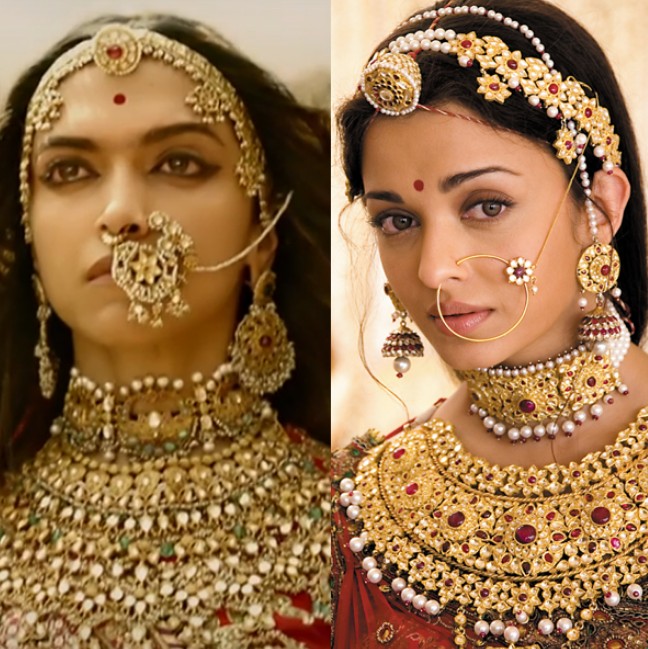
Rajasthani brides are instantly recognised by the Borla, a spherical maang tikka that rests at the centre of the forehead. Its rounded shape gives a regal touch, reflecting the royal heritage of the state. The Borla remains one of the most distinctive bridal head ornaments in India.
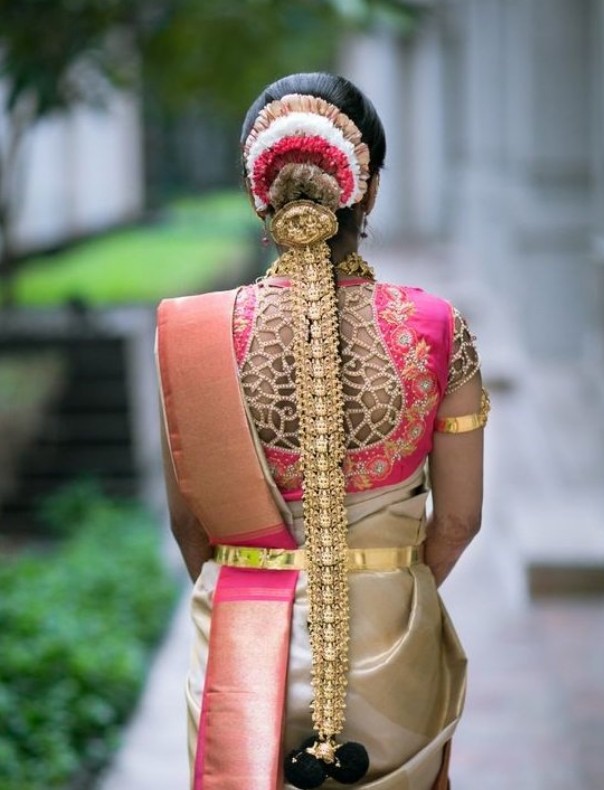
Tamil brides adorn their long braids with the Jadai Nagam, a hair ornament often designed in the shape of a serpent. It symbolises strength, protection and feminine power. The detailed craftsmanship adds grandeur to the traditional bridal look.
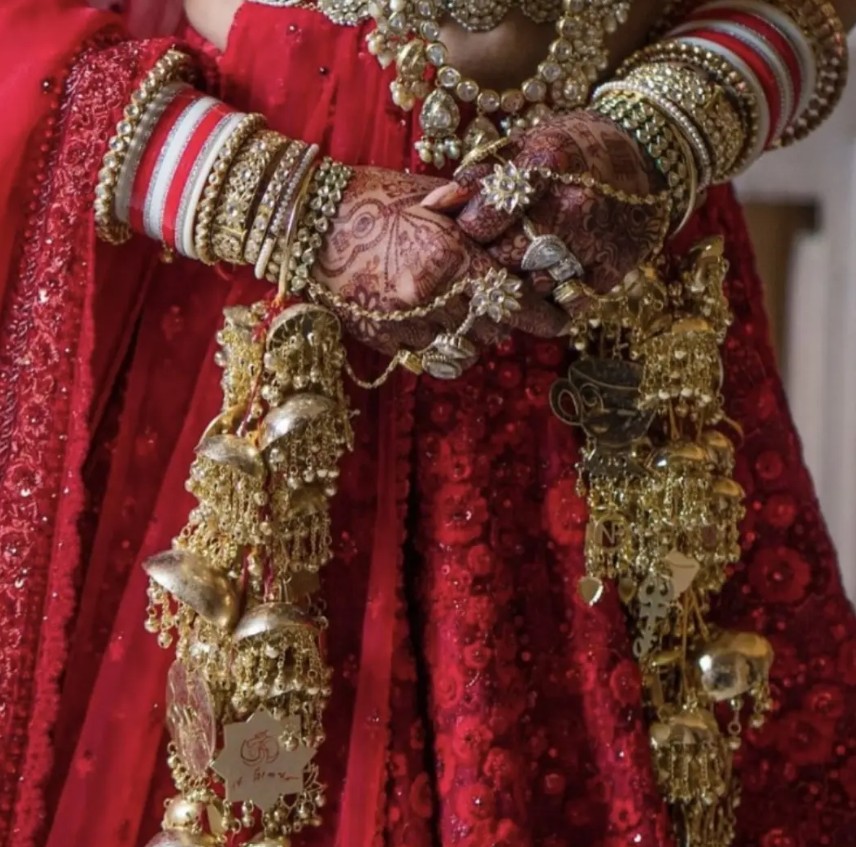
In Punjabi weddings, the bride wears a set of red and white bangles known as the Chooda. Tied by her maternal uncle, it signifies blessings and happiness. Hanging from the bangles are Kalire, delicate ornaments that represent good wishes for a joyful married life.
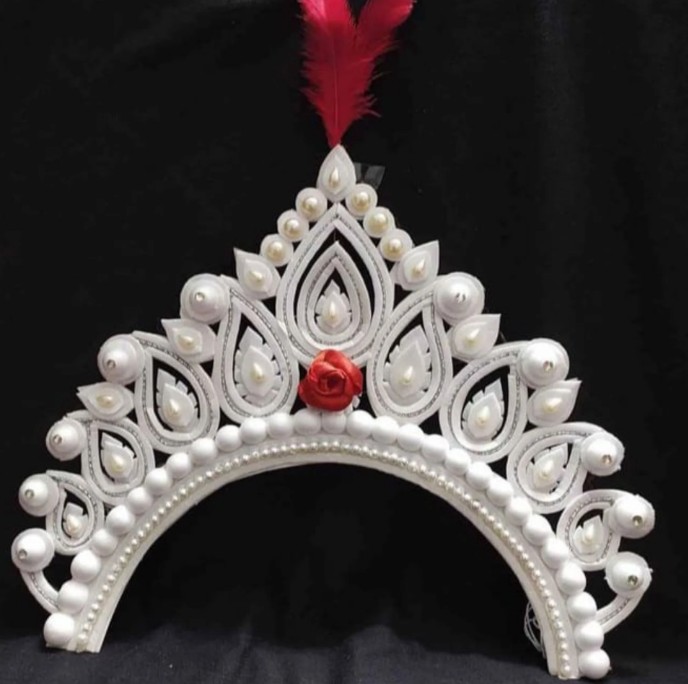
Bengali brides wear Shakha (conch shell bangles) and Pola (red coral bangles) as symbols of marital status. The look is completed with a Mukut, a crown-like headpiece made of shola (pith), worn during the ceremony.
The Dholbiri necklace draws inspiration from the traditional Assamese drum, the dhol. Its motifs reflect the region’s artistic and musical heritage, making it both ornamental and cultural.
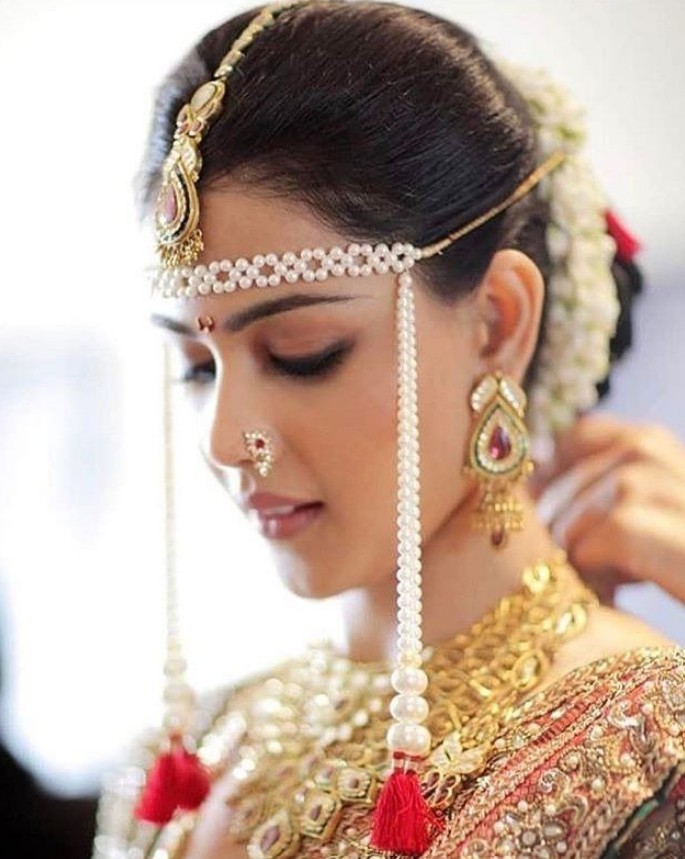
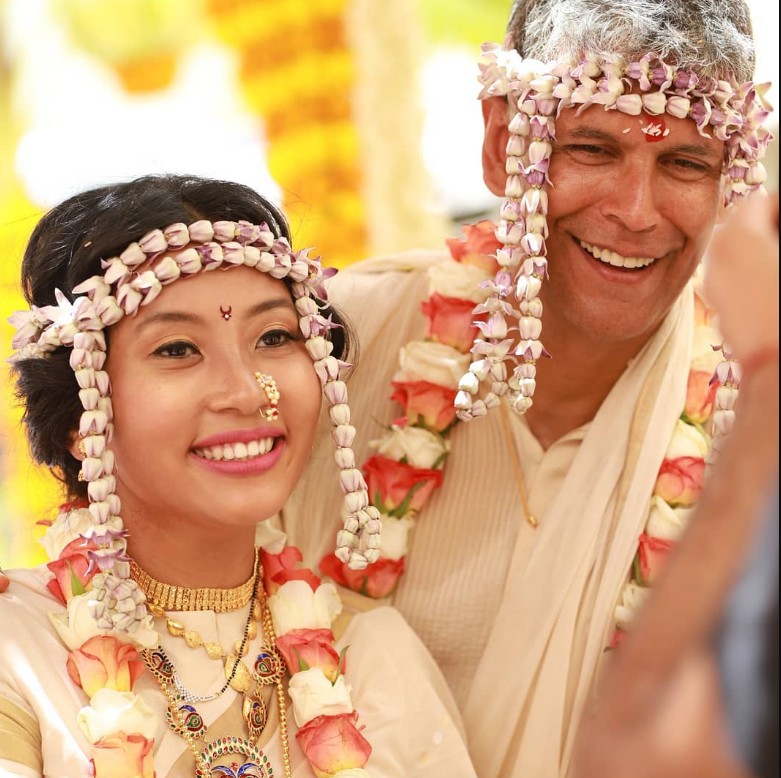
The Mundavalya consists of pearl or floral strings tied across the forehead and around the temples. Interestingly, both bride and groom wear it, symbolising equality and shared commitment.
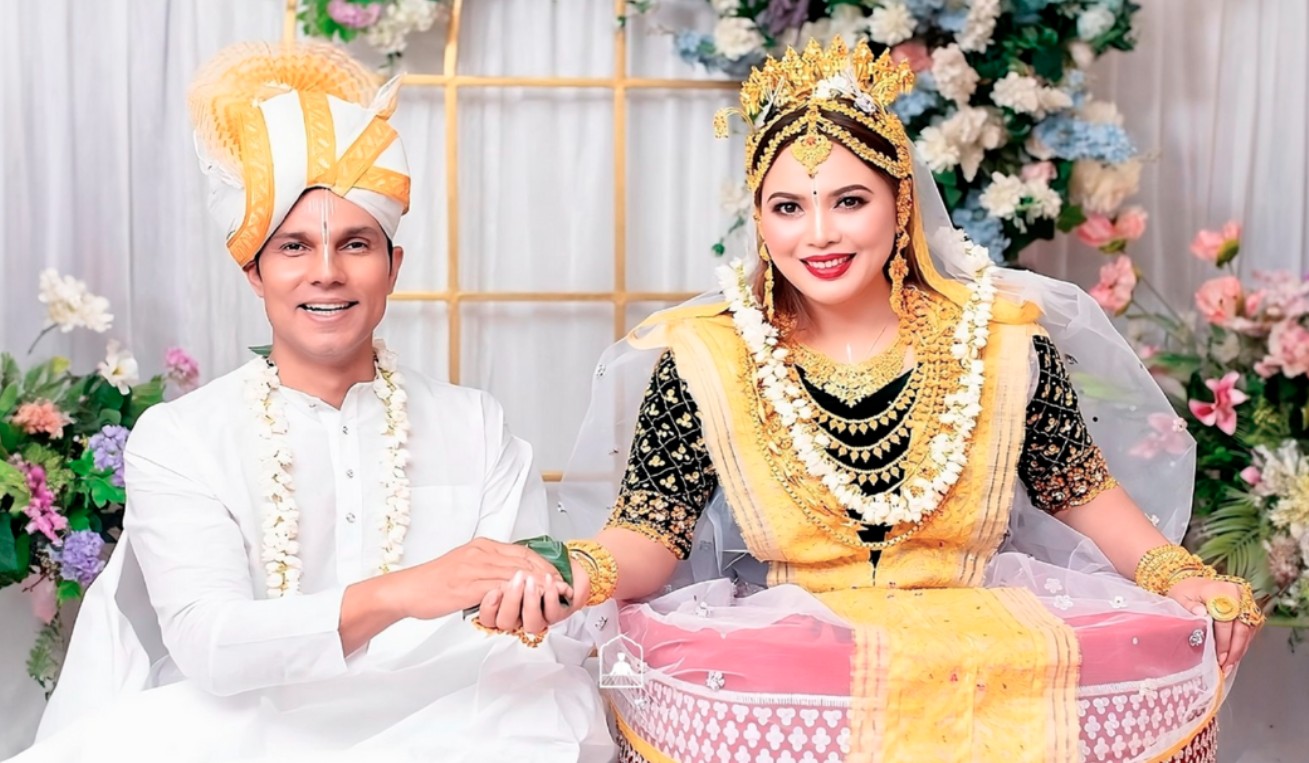
Manipuri brides wear Likchow, traditional earrings designed to complement their distinctive attire. The jewellery reflects the rich craftsmanship of the region.
ALSO READ- Beautiful Chandbali Earring Designs To Pair With Ethnic Wear
![[image] - 7817640](https://images.herzindagi.info/her-zindagi-english/images/2026/03/03/template/image/[image]---7817640-1772529774113.webp)
The Manga Mala, a necklace featuring mango-shaped motifs, symbolises fertility and prosperity. It remains a staple in Malayali bridal jewellery.
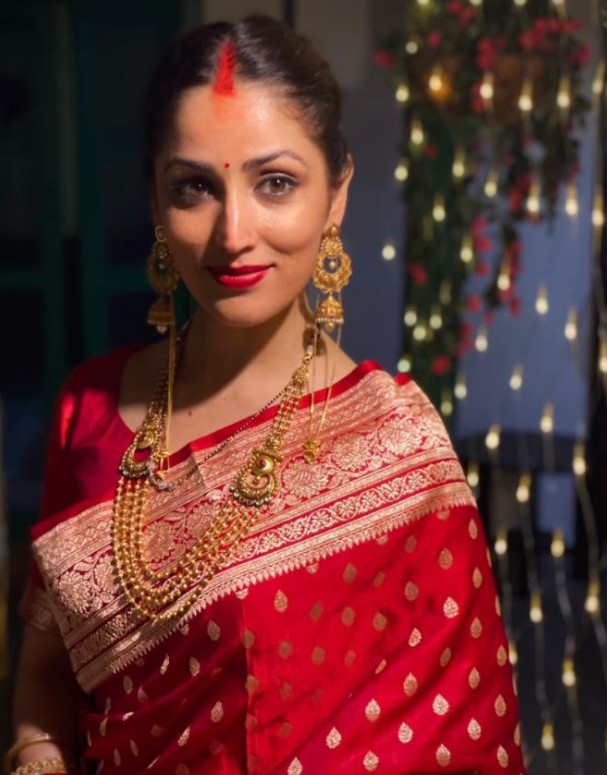
Among Kashmiri Pandit brides, the Aatheru is a traditional ear ornament made up of three part, Dejhoor, Athoor and Atah. It holds deep marital and cultural significance.
From head to toe, each ornament tells a story. Different states, different designs, but always the same powerful emotion of becoming a bride.
ALSO READ- Rashmika Vijay Wedding Jewellery Breakdown: Traditional South Indian Gold with a Regal Twist
Keep reading Herzindagi for more such stories.
Image Courtesy: BookMyShow
Also watch this video
Herzindagi video
Our aim is to provide accurate, safe and expert verified information through our articles and social media handles. The remedies, advice and tips mentioned here are for general information only. Please consult your expert before trying any kind of health, beauty, life hacks or astrology related tips. For any feedback or complaint, contact us at [email protected].