Tue Mar 17, 2026 | Updated 08:22 PM IST


Silk Pillowcase Vs Cotton Pillowcase: Winter can be harsh on hair. Colder air, low humidity, and indoor heating often leave strands dry, frizzy, and can lead to breakage overnight. One often-overlooked way to protect your hair as you sleep is the choice of pillowcase you use. In this article, read how silk and cotton pillowcases compare in preventing hair breakage, especially during the winter months.
While many focus on shampoos and conditioners, the fabric your hair rubs against for eight hours a night can make a real difference. Rough or absorbent materials can tug at hair, strip natural oils and leave hair more fragile by morning. The right fabric helps reduce friction and keep your hair smoother and stronger.
Cotton is a soft and breathable natural fibre that many people use every day. However, it has a few drawbacks when it comes to hair health:
High Friction: The texture of cotton fibres creates more resistance as you move during sleep. This rubbing can rough up the hair’s outer layer (the cuticle), leading to frizz, knots and breakage over time.

Absorbs Moisture: Cotton readily soak away moisture. That’s good for towels, but not helpful for hair. Overnight, cotton can draw away natural oils and leave strands dry and brittle, especially in winter when hair is already more dehydrated.
Tangling And Split Ends: Rougher fibres mean hair can catch and tangle more easily on a cotton surface, which increases the need for brushing and, consequently, breakage.
Cotton pillowcases are affordable, easy to wash and durable, but they aren’t always the best choice if your main aim is to protect hair from everyday breakage.
Silk pillowcases have become very popular in recent years, not just because they feel luxurious, but because they offer real benefits for hair. Here’s how they help:
Lower Friction Means Less Breakage: Silk is incredibly smooth. Its surface allows hair to glide, not catch, as you toss and turn. This reduced friction means fewer tangles, fewer split ends and less breakage over time. Silk pillowcases reduce hair friction by 34% vs cotton, which causes 51% more damage, according to independent lab testing reports.
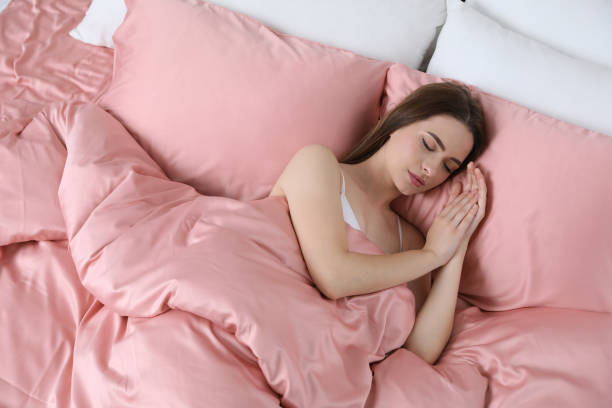
Better Moisture Retention: Unlike cotton, silk doesn’t absorb moisture from your hair and scalp. That helps your hair retain its natural oils and any products you’ve applied before bed. Well-moisturised hair is stronger and less prone to snapping, particularly in dry winter air.
Ideal For Dry Or Curly Hair: People with frizzy, curly or chemically treated hair tend to benefit most from silk. Curly textures are naturally more prone to dryness and breakage, and the gentle glide of silk helps preserve the hair’s structure and reduces frizz.
Helps Hairstyles Last Longer: Because silk doesn’t tug or rough up strands, hairstyles such as blowouts or curls can stay in place longer without frizz or flattening overnight.
ALSO READ- Top 7 Lightweight Hair Oils For Oily Scalp In Winter
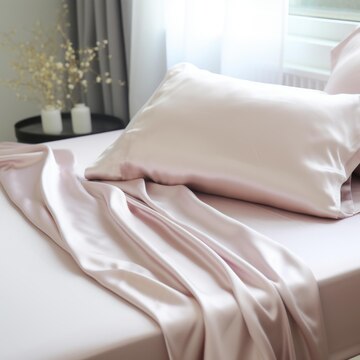
If you decide to switch to silk, choose high-quality options for the best results. 100% mulberry silk with a tighter weave is often recommended because it provides smoother fibre and lasts longer. High-quality cotton with a satiny finish can be a slightly better cotton option, but it still won’t match silk’s friction-reducing properties.
ALSO READ- Onion Oil vs Castor Oil: Which Is Better for Hair Growth?
In winter, when dry air and indoor heating already stress hair, choosing the right pillowcase material can make a difference. Silk pillowcases tend to reduce friction and help hair retain moisture, both important factors in preventing hair breakage overnight. Cotton is comfortable and easy to care for, but it may make dry, brittle hair worse if breakage is a frequent concern.
Switching to silk isn’t the only hair care step you should take, but it’s a gentle, everyday change that many people find helps them wake up with smoother, stronger hair.
For more such stories, stay tuned to HerZindagi.
Image credit: Freepik
Also watch this video
Herzindagi video
Our aim is to provide accurate, safe and expert verified information through our articles and social media handles. The remedies, advice and tips mentioned here are for general information only. Please consult your expert before trying any kind of health, beauty, life hacks or astrology related tips. For any feedback or complaint, contact us at [email protected].