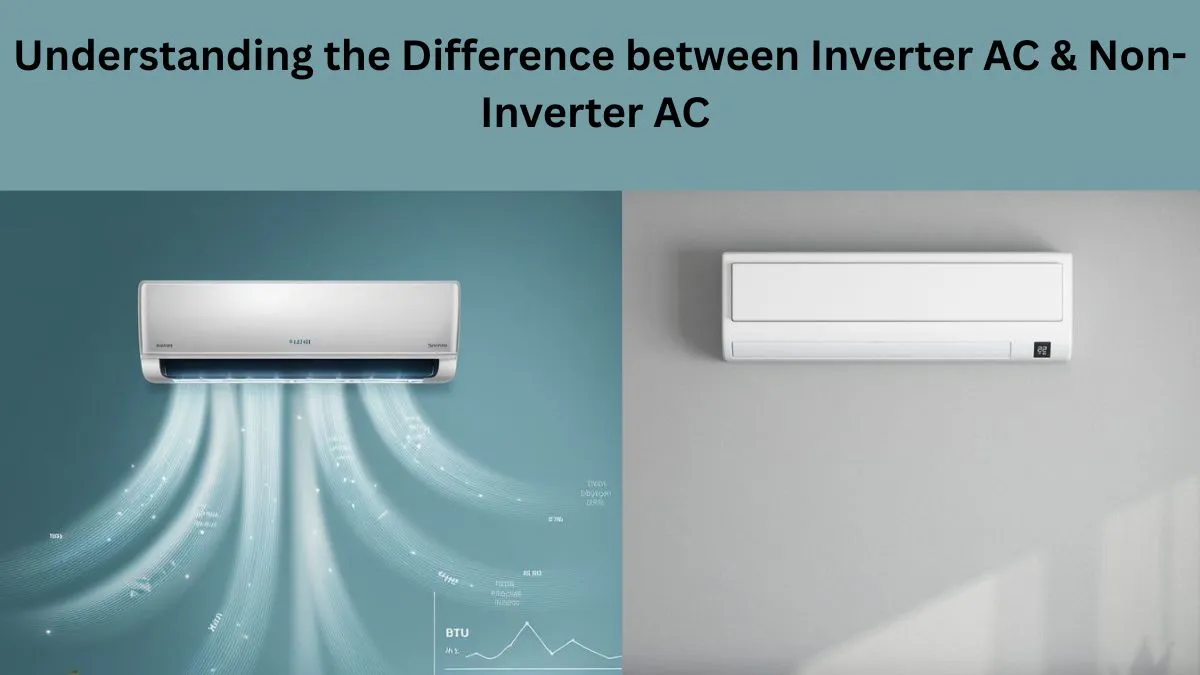
Inverter and non-inverter ACs differ mainly in how they control cooling, and this directly affects their energy efficiency and overall performance. Inverter air conditioners adjust the compressor speed according to the room temperature, so they maintain the desired cooling without repeatedly turning the compressor on and off. In contrast, non-inverter ACs run at a fixed speed and stop once the set temperature is reached, then restart when the room warms up. This process uses more electricity and may cause uneven cooling. Inverter ACs also operate more quietly and usually last longer. Before choosing, consider energy savings, budget, durability, features, and your cooling needs.
Which Type of AC Should You Choose?
Choosing between an inverter and a non-inverter AC depends on your budget, usage, and cooling needs. If you use your AC for long hours daily and want lower electricity bills, an inverter AC is a better option. It offers energy savings, quieter performance, and more consistent cooling over time. On the other hand, if you use the AC occasionally and have a limited budget, a non-inverter AC can be a suitable choice. It has a lower initial cost but may consume more power in the long run. Consider room size, usage pattern, electricity costs, and long-term savings before making your final decision. For Further understanding, compare the branded models from leading names below Haier, Blue Star, Carrier, and Voltas.
Explore More in the HZ Your Picks Section