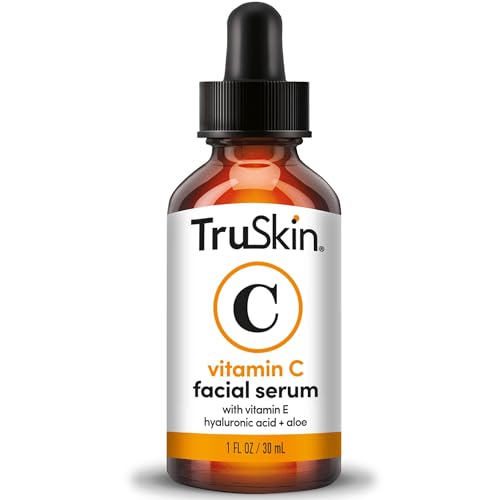
Every summer, your social media feed fills up with glowing skin, dewy selfies, and the same ingredient making a cameo in every other post, yes you guessed it right, Vitamin C. Serums, moisturizers, sunscreens, eye creams. It's everywhere. But here's the real question that nobody seems to answer plainly: does it actually work, or is it just another clever marketing play?
Vitamin C works, and the science backs it up, but only when you use the right form, the right concentration, and critically the right routine. Use it haphazardly and you'll either see zero results or end up with irritated skin that's anything but glowing.
This guide cuts through the noise. We'll walk you through what Vitamin C actually does to your skin, why summer is both the best and the trickiest season to use it, and then lay out a complete morning-to-night routine - one step at a time so you can stop guessing and start glowing.
What Exactly Does Vitamin C Do for Your Skin?
Vitamin C, also known as L-ascorbic acid, is one of the most well-researched antioxidants in skincare. It works on multiple levels to improve your skin's appearance and health. Here's a quick breakdown of what it actually does:
- Brightens dull skin: It inhibits melanin production, which means it gradually fades dark spots, hyperpigmentation, and uneven skin tone.
- Fights free radical damage: UV rays, pollution, and heat trigger oxidative stress. Vitamin C neutralises those free radicals before they can break down collagen and cause premature ageing.
- Boosts collagen synthesis: It plays a key role in collagen production, which keeps your skin firm, plump, and bouncy, especially important during summers.
- Enhances sunscreen efficacy: When used alongside a broad-spectrum SPF, Vitamin C has been shown to provide an additional layer of photoprotection.
- Reduces post-sun inflammation: After long hours in the sun, Vitamin C can help calm redness and support faster skin repair.
In summer specifically, your skin is under more oxidative stress than any other season. Higher UV index, sweat, humidity, heat, all of it accelerates skin damage. This is actually the season when a stable, well-formulated Vitamin C product is most worth your money. An improperly stored or low-quality serum can oxidize before it even hits your skin. Look for L-Ascorbic Acid at a concentration between 10–20%, or more stable derivatives like Ascorbyl Glucoside or Sodium Ascorbyl Phosphate if you have sensitive skin. Anything below 10% is mostly decorative.
The Complete Summer Vitamin C Skincare Routine
Building a routine that actually works isn't about piling on every product you own - it's about layering the right ingredients in the right order. Here's a complete morning-to-night routine designed for summer glow:
Explore More in the HZ Your Picks