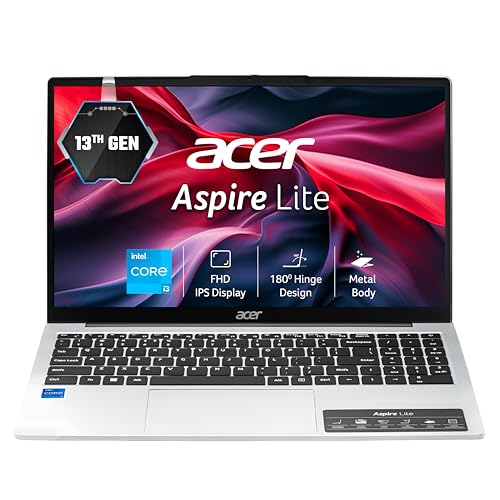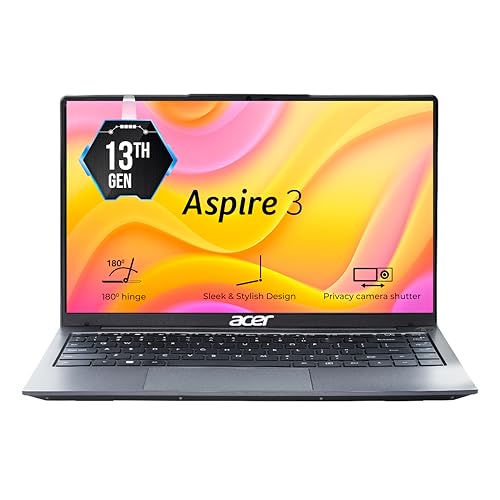
Most people don’t sit and think about laptop specs once they start working. You open it, expect things to run, and that’s it. And honestly, that’s where these i3 laptops with 8GB RAM makes sense. It’s not trying to do anything extra. It just keeps things moving. Mail, Chrome with too many tabs, Excel sheets, a call running in the background, nothing feels stuck if the system is set up right with SSD. The newer i3 chips are not what they used to be. They’re a lot more stable now, especially for regular office loads. HP machines usually stay simple and don’t give random issues over time. Lenovo laptops feel easier if your day is mostly typing and documents. Dell tends to stay consistent, not fast in bursts, but not slowing down either. Acer, in most cases, gives you slightly better specs for the same money. This combination works because it doesn’t overpromise. You’re not expecting heavy editing or gaming here. But for daily office work, browsing, files, calls it holds steady, and that’s what matters more after a few months of use.
Explore more on HZ Your Picks!
What Actually Makes i3 + 8GB RAM Feel Stable in Daily Office Use?
It comes down to how the system handles small tasks without breaking flow. SSD keeps things opening instantly, while 8GB RAM avoids constant reloads between apps. The newer i3 laptops manage background processes better, so even with multiple tabs, calls, and files running together, it stays usable without sudden slowdowns.