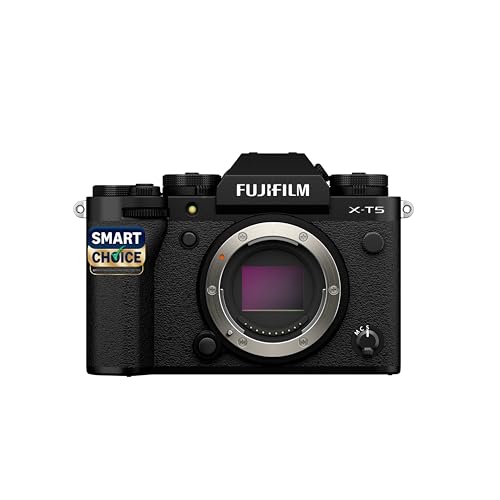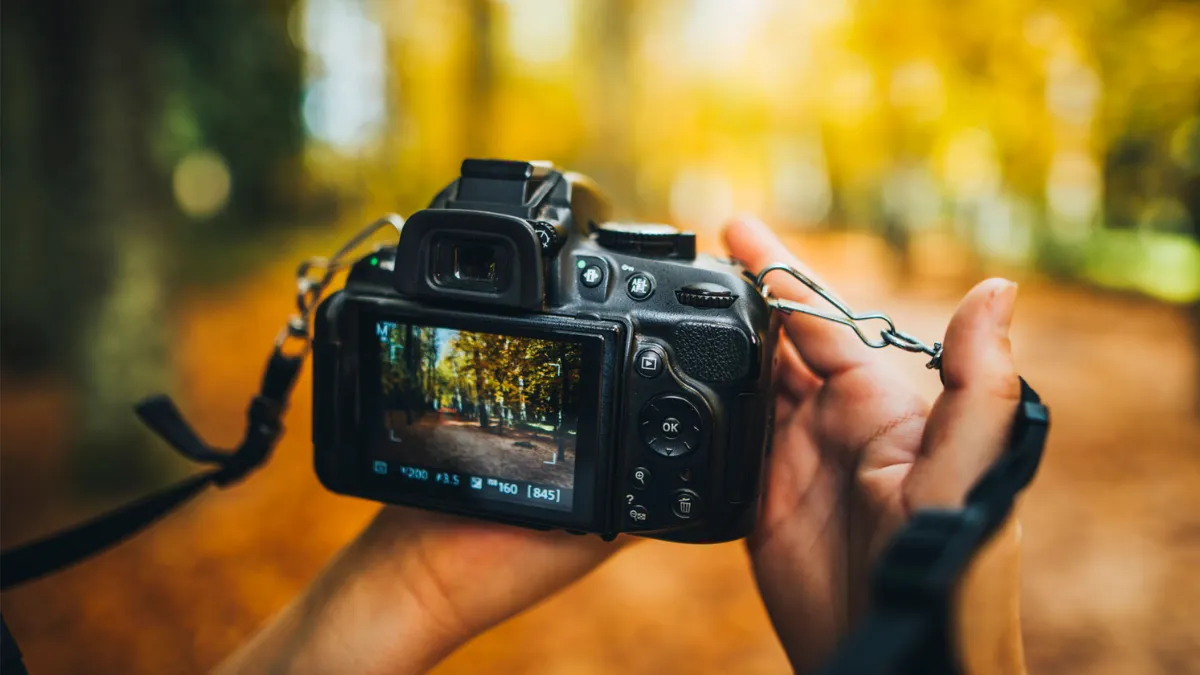
Low light is where the real test begins for your DSLR camera. On paper, the majority of cameras look similar, but once the light dims, the difference is quite clear. Some images turn soft, some get grainy too quickly, and sometimes colours just don’t hold the way you expect. That’s the part most people notice only after using a camera for a while. A good DSLR in low light doesn’t try to make everything artificially bright. Instead, it keeps things controlled. Noise stays tighter, details don’t disappear immediately, and colours still look usable without too much fixing later.Large full-frame sensors can generally do much better with situations like this, but the way the machines work matters just as much. This is the reason why companies like Sony, Canon, Nikon, and Fujifilm have a slightly different take on this. The fact is, for the majority of users, this will be more important than going for the ultimate night shots. Indoor lighting, evening streets, or dim setups are more common. That’s where a camera that holds detail without breaking the image starts feeling reliable.
Explore More in HZ Your Picks Section
What Actually Makes A DSLR Handle Low Light Without Breaking Detail?
It mostly comes down to how the sensor and processing work together. A larger sensor collects more light, so it doesn’t struggle as quickly. Then comes ISO handling. Better cameras increase ISO without letting grain take over immediately. Image processing also matters, because too much noise reduction can remove detail along with noise.