Sun Mar 22, 2026 | Updated 10:24 PM IST HZ Awards 2026

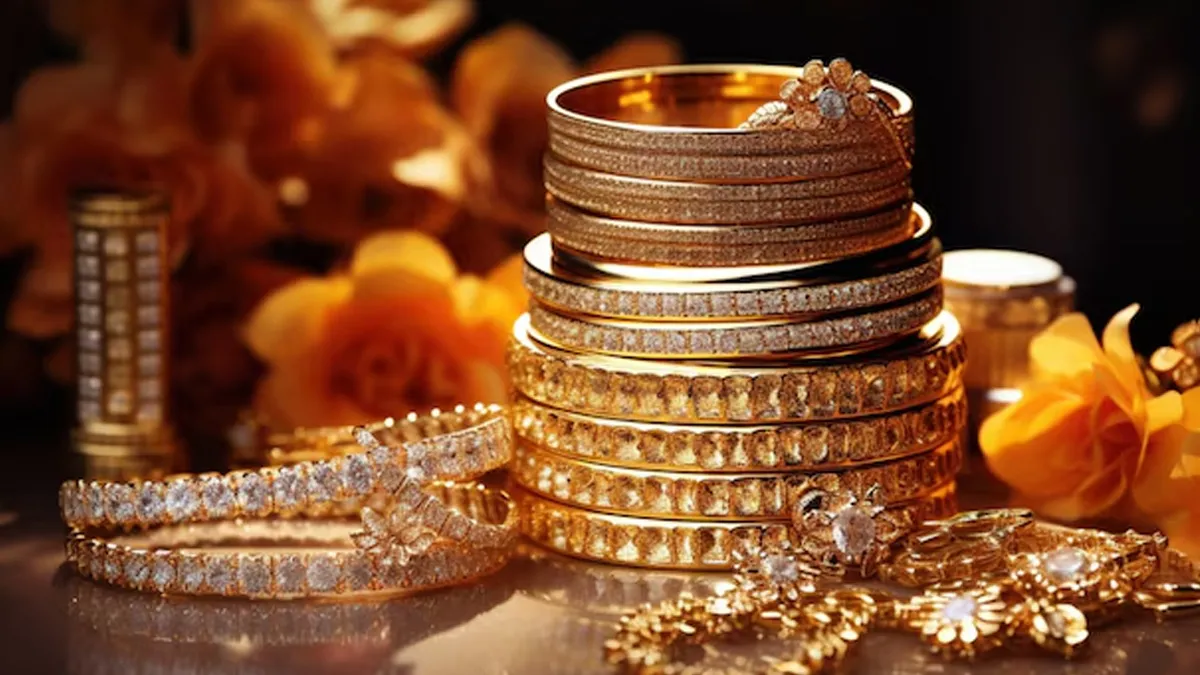
When buying gold, the ‘K’ represents Karat, which is the measure of gold content compared to other metals such as copper, silver, or zinc. Although 24K gold is the gold standard for gold purity, it is not always the most practical choice for jewellery. This is how the different karats compare in terms of gold purity, strength, and value.
24k gold is 100% pure; it’s an orange-yellow in colour. But gold is very malleable, to the point that it is the clay of metals. It is best kept in the form of coins or bars, not in the form of intricate rings or bracelets.
22k gold is the most popular in Indian and Middle Eastern bridal jewellery; it’s prized for its prestige. It has a deep, lustrous yellow hue. It is perfect for plain gold chains and bangles, but the metal is often too soft to securely hold diamonds or heavy gemstones.

18K is the optimal point for luxury jewellery. This is 75% pure, which means that it has a beautiful yellow colour but is also mixed with enough alloy to make it strong. This is the norm for engagement rings and luxury watches.
These are the workhorses of the jewellery industry.
14K is the most popular choice in the US and Europe because it is resistant to scratches and is more budget-friendly.
10K is the most durable, but because it has more alloy, such as nickel or copper, than gold, it can sometimes irritate people with metal allergies.
ALSO READ- Gold Investment Tips for Women: How to Buy, Hold and Allocate Smartly

Karat |
Gold Purity |
Composition |
Pros |
Cons |
24K |
99.9% |
Pure Gold |
Highly valuable; won't tarnish. |
Too soft for jewellery; scratches easily. |
22K |
91.6% |
22 parts gold, 2 alloys |
Rich yellow colour; high resale value. |
Still soft; not ideal for diamonds/stones. |
18K |
75% |
18 parts gold, 6 alloys |
Perfect balance of purity and strength. |
More expensive than lower karats. |
14K |
58.3% |
14 parts gold, 10 alloys |
Very durable; great for daily wear. |
Less yellow than higher karats. |
10K |
41.7% |
10 parts gold, 14 alloys |
Most affordable and hardest to dent. |
Low gold content; may trigger skin allergies. |
ALSO READ- Should We Wear Gold Jewellery On Our Feet? Expert Shares 3 Reasons
Image credits: Freepik
For more such stories, stay tuned to HerZindagi.
Also watch this video
Herzindagi video
Our aim is to provide accurate, safe and expert verified information through our articles and social media handles. The remedies, advice and tips mentioned here are for general information only. Please consult your expert before trying any kind of health, beauty, life hacks or astrology related tips. For any feedback or complaint, contact us at [email protected].