Tue Mar 17, 2026 | Updated 08:38 PM IST

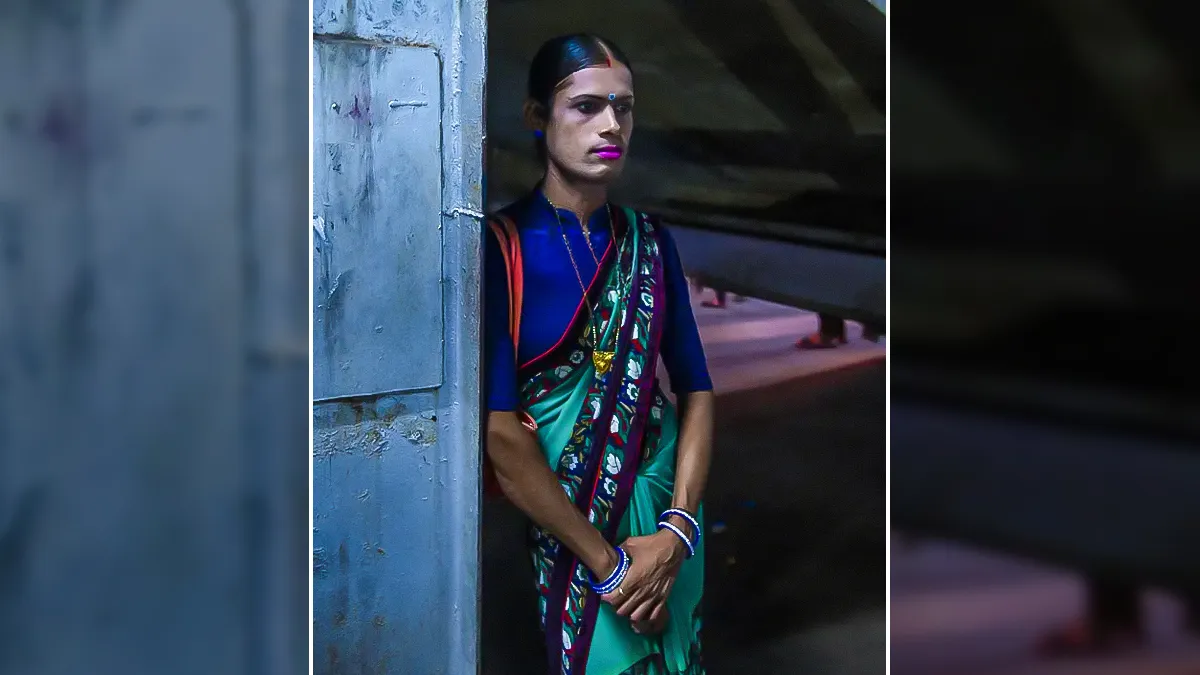
On Friday, March 13, 2026, Union Minister Virendra Kumar introduced a major legislation in Parliament: an amendment to the Transgender Persons (Protection of Rights) Act, 2019. This new bill completely overhauls how the law legally recognises transgender individuals in India.
Instead of allowing people to self-identify their gender, a right previously secured by the Supreme Court, the new amendment brings in medical boards and strict biological criteria. Unsurprisingly, this move has triggered intense criticism from the LGBT+ community and human rights activists.
Let's break down what this means, what exactly is changing, and why it has sparked such a massive national debate.
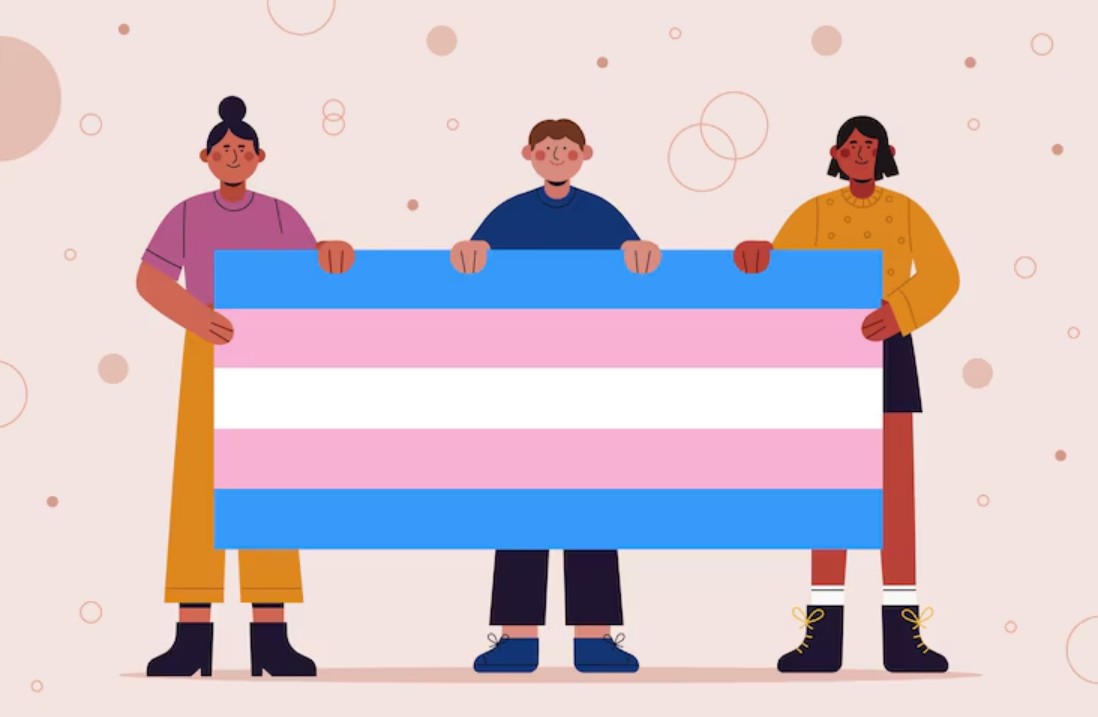
To understand the debate, we first need to analyse how we define these terms. The United Nations broadly describes ‘transgender’ as an umbrella term for anyone whose gender identity differs from the sex they were assigned at birth. This highlights a crucial distinction:
The original 2019 Act embraced this broader understanding. It recognised a wide spectrum of identities, including trans men and trans women (regardless of whether they had undergone medical transitioning), intersex individuals, genderqueer or non-binary people, and those belonging to traditional socio-cultural groups like the hijra, kinner, aravani, or jogta communities.
ALSO READ- 5 Basic Rights LGBTQIA+ Couples Still Don’t Have in India
Back in 2014, the Supreme Court of India handed down the historic NALSA judgement. The court did two massive things: it officially recognised the transgender community as a ‘third gender’ with full constitutional rights, and it guaranteed the right to ‘self-identification’. This meant an individual could choose to identify as male, female, or third gender without invasive medical proof.
Following this, the government brought in the 2019 Act to legally protect the community. They introduced a straightforward administrative process where individuals could apply to a District Magistrate for a Transgender Identity Card based on how they perceived themselves. To date, the government has issued over 32,424 of these cards, allowing people to access vital welfare schemes and safely navigate official paperwork.
The government claims the 2019 definition was too ‘vague’, making it difficult to enforce laws or identify the ‘genuinely oppressed’. To fix this, the 2026 bill drastically tightens the rules, moving back to a highly medicalised, pre-2014 understanding of gender.
Feature |
Under the 2019 Act |
Under the New 2026 Bill |
Who is covered? |
A broad spectrum: trans men, trans women, non-binary, intersex, and traditional socio-cultural groups. |
A narrow list: only specific biological variations, traditional socio-cultural groups, or victims of forced mutilation. |
How do you identify? |
Self-identification. You simply applied to a District Magistrate based on how you perceive your gender. |
Medical certification. A medical board must examine you and recommend your case to the District Magistrate. |
Punishments for abuse |
Up to two years in prison for various offences. |
Up to life imprisonment for severe crimes like forced castration or forcing a child to beg. |
Activists and transgender individuals are deeply concerned, arguing that the amendment snatches away their basic freedom and right to self-determination.
By demanding medical proof, the state is pushing a concept known as ‘transmedicalism’. This forces transgender individuals back into a system where hospitals and institutions have to inspect, diagnose, and validate their existence, a practice the community has fought incredibly hard to escape.
Furthermore, narrowing the definition leaves a massive portion of the community out in the cold. Transgender men and women who do not belong to traditional kinner or hijra communities, as well as gender-fluid and non-binary people, suddenly find themselves legally invisible. Critics argue that instead of focusing on medical gatekeeping, the government should pour its energy into securing jobs, universal healthcare, and community safety.
While the government's intention to heavily penalise forced castrations and the horrific exploitation of vulnerable children is undeniably a positive step, the method of redefining the entire community seems fundamentally flawed. Stripping away the right to self-identify feels like a harsh regression. Gender identity is deeply personal; it isn't something that can always be neatly measured by a medical board, a scan, or a blood test.
By reducing a diverse, vibrant community to a strict set of biological criteria and traditional groupings, the bill risks erasing the lived realities of thousands of people.
ALSO READ- 9 Queer Movies Releasing in 2026 That Feel Familiar, Messy and Real
Keep reading Herzindagi for more such stories.
Image Courtesy: Freepik
Also watch this video
Herzindagi video
Our aim is to provide accurate, safe and expert verified information through our articles and social media handles. The remedies, advice and tips mentioned here are for general information only. Please consult your expert before trying any kind of health, beauty, life hacks or astrology related tips. For any feedback or complaint, contact us at [email protected].