Tue Mar 17, 2026 | Updated 08:56 PM IST

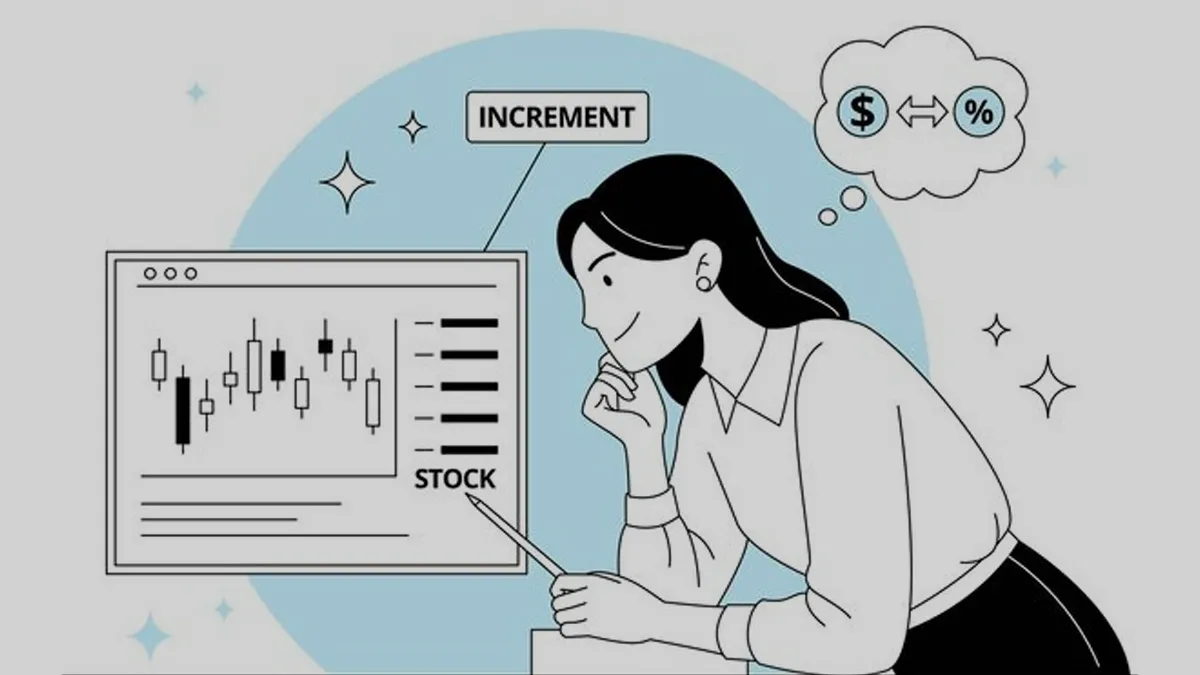
Over the last few weeks, we have spoken about the share market, how companies grow, and what it really means to own a part of a business. We also spoke honestly about direct share investing. That it requires time, discipline, and the willingness to study companies carefully. Many of you wrote back saying, “Samajh aa gaya, par ab practical sawaal hai. Agar hum roz companies analyse nahi kar sakte, toh market mein invest kaise karein.”
That is a very important question. And the answer begins with understanding two words we hear almost every day. Sensex and Nifty.
If you read the newspaper or watch business news, you will constantly see headlines like “Sensex rises 500 points” or “Nifty falls today.” These numbers move up and down and often affect the mood of the market. For many women, they sound powerful but distant, almost like a signal meant for experts. Let us remove that distance.
Sensex and Nifty are not companies. They are not investments you buy. They are indicators. You can think of them as report cards of the stock market.

The Sensex tracks thirty of India’s largest and most established companies listed on the Bombay Stock Exchange. These companies come from different parts of the economy, such as banking, technology, energy, consumer goods, and healthcare. The Nifty tracks fifty large companies listed on the National Stock Exchange, again spread across sectors. When these companies, as a group, perform well, the index moves up. When they struggle, the index moves down.
That is all these indices do. They reflect how India’s biggest businesses are performing together. They do not tell the full story of every stock, and they do not guarantee that every investor is making money. Your own returns depend on where you have invested.
Once you understand this, a natural thought follows. If these indices represent the market, can I invest in them instead of choosing individual companies? The answer is yes. This is where index funds come in.
An index fund also known as passive fund is a type of mutual fund that simply follows an index like the Nifty 50. It does not try to predict winners. It does not try to avoid losers. It invests in the same companies that are part of the index, in the same proportion. If the index goes up, the fund goes up. If the index falls, the fund falls. There is no active decision making by a fund manager about which stock to buy or sell. The job of the fund is only to mirror the index as closely as possible. This simplicity is not a weakness. It is its biggest strength.
Over many years, across countries and markets, one truth has emerged clearly. Consistently beating the market is extremely difficult, even for most active managers. Index funds accept this reality. Instead of trying to outperform every year, they focus on participating steadily in overall market growth over the long term.
Because index funds do not need teams of analysts constantly buying and selling stocks, their costs are lower. These costs are called expense ratios. They may look small on paper, but over ten or twenty years, lower costs can make a meaningful difference to your final wealth.

In India today, there are several kinds of index funds. The most common are broad market index funds that track the Nifty 50 or Nifty 100. These funds are often used as core investments because they give exposure to India’s largest and most stable companies. There are also broader index funds that track indices like the Nifty 500, which include a wider range of companies.
There are mid-cap index funds as well, which track medium-sized companies. These can grow faster but also fluctuate more. Sector or theme-based index funds exist too, but these are better explored later, once you are more comfortable. For most women starting or simplifying their investment journey, a broad market index fund is often a sensible foundation.
ALSO READ- I Am My Own Laxmi: Understanding Different Types of Mutual Funds
Index funds work very well with SIPs. By investing a fixed amount every month, you remove the pressure of timing the market. You do not have to worry about whether the index is high or low today. Over time, your buying price averages out.
This discipline matters because most investors do not lose money due to lack of intelligence. They lose money because of emotional decisions. People tend to buy when markets are high because confidence is everywhere, and sell when markets fall because fear takes over. SIPs into index funds help reduce this behaviour. They encourage consistency instead of reaction.
It is important to be clear about one thing. Index funds are not risk free. When markets fall, they fall too. That is why they are meant for long term goals, ideally five years or more. They are not suitable for money you may need soon. But for long term wealth building, they offer a calm and structured way to participate in economic growth.

So what should you take away from this.
Sensex and Nifty are not intimidating forces. They are simple reflections of how India’s large businesses are doing. Index funds allow you to participate in that growth without the pressure of selecting individual stocks. They reward patience, discipline, and time, not constant action.
This week, take one practical step. Look up an Index fund from a well known fund house. Read what it invests in. Look at its expense ratio. See how transparent the information is. Ask yourself whether this kind of steady, uncomplicated investing suits your temperament and goals.
You do not have to invest immediately. Understanding always comes before action. If you have questions or doubts, write to us at [email protected].
Next week, we will build on this and talk about diversification, and why spreading your money wisely matters as much as choosing where to invest.
ALSO READ- Loans Explained: What Every Woman Should Know Before Borrowing
Keep reading Herzindagi for more such stories.
Image Courtesy: Freepik
Also watch this video
Herzindagi video
Our aim is to provide accurate, safe and expert verified information through our articles and social media handles. The remedies, advice and tips mentioned here are for general information only. Please consult your expert before trying any kind of health, beauty, life hacks or astrology related tips. For any feedback or complaint, contact us at [email protected].