Wed Apr 1, 2026 | Updated 11:14 AM IST HZ Awards 2026

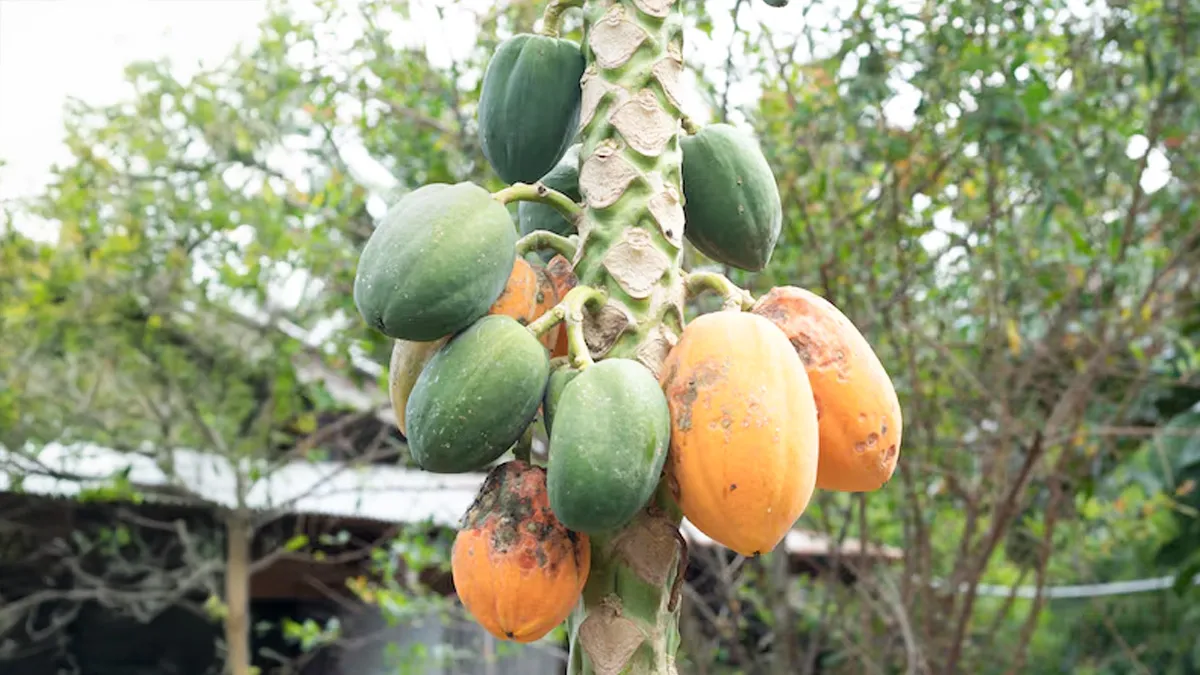
Growing a papaya tree from seeds at home may sound ambitious, but it’s surprisingly achievable, even if you only have a balcony or terrace. Papaya plants grow fast, adapt well to container gardening, and with the right care, can reward you with lush greenery and home-grown fruit. The key lies in choosing healthy seeds, providing enough sunlight, and maintaining proper soil and watering conditions.
Here’s a detailed guide to help you grow a papaya tree from seeds in pots at home.
Start with seeds taken from a fully ripe, disease-free papaya. Scoop out the seeds, rinse them thoroughly to remove the sticky outer coating, and dry them in the shade for about 24 hours. Avoid seeds from unripe or damaged fruits, as fresh and mature seeds have a much higher germination rate.
Papaya plants develop long, spreading roots, so a deep and wide container is essential. Choose a pot that is at least 18–24 inches deep and wide. Ensure it has multiple drainage holes to prevent water accumulation, which can cause root rot. A sturdy pot also provides better stability as the plant grows taller.
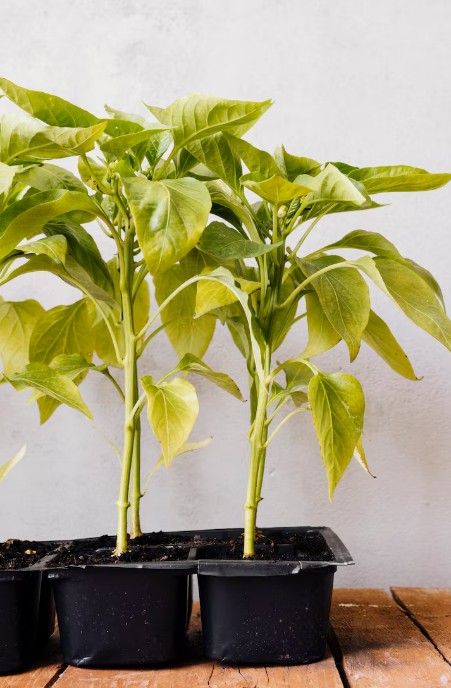
Papaya thrives in loose, well-aerated soil. Prepare a mix using garden soil, compost or vermicompost, and sand or cocopeat in equal proportions. This combination ensures proper drainage while retaining enough moisture for healthy root development. Avoid heavy clay soil, as it tends to hold too much water.
Plant three to four seeds about half an inch deep in the pot. Cover lightly with soil and water gently. Germination usually takes 10 to 20 days. Once the seedlings grow around 6–8 inches tall, remove the weaker ones and retain the healthiest plant. This prevents overcrowding and ensures better nutrient absorption.
Papaya plants love sunlight and require at least six to eight hours of direct sun every day. Place the pot in a bright, sunny spot on your balcony or terrace. Insufficient sunlight can lead to weak stems, slow growth, and poor fruiting.
Keep the soil consistently moist, but never waterlogged. During summer months, daily watering may be required, while in cooler weather, watering can be reduced. Always check the topsoil before watering. Overwatering is one of the most common reasons papaya plants fail in pots.
Don't Miss: 7 Kitchen Ingredients That Act as Natural Manures for Fast Plant Growth
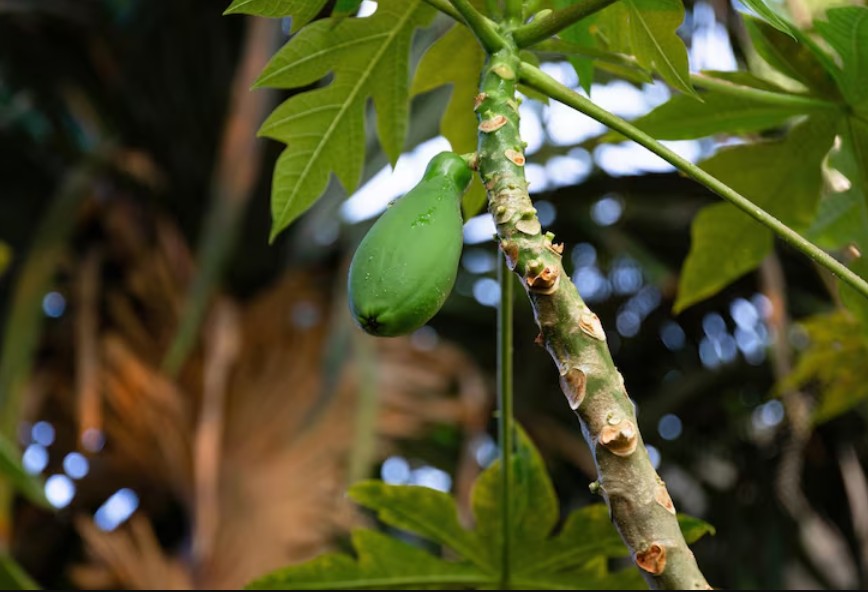
Papaya is a fast-growing, nutrient-hungry plant. Feed it every two to three weeks using compost, vermicompost, or a diluted liquid fertiliser. This regular feeding supports strong growth and improves the chances of fruit formation.
As the papaya plant grows taller, its soft stem may need support. Use a wooden or bamboo stake to keep the plant upright, especially in windy conditions. Remove yellowing or diseased leaves regularly to improve air circulation and reduce pest problems. Papaya requires minimal pruning.
Papaya plants can be male, female, or hermaphrodite. Hermaphrodite plants are ideal for container gardening as they self-pollinate. If pollination seems poor, gently shaking the plant or using a soft brush to transfer pollen can help encourage fruiting.
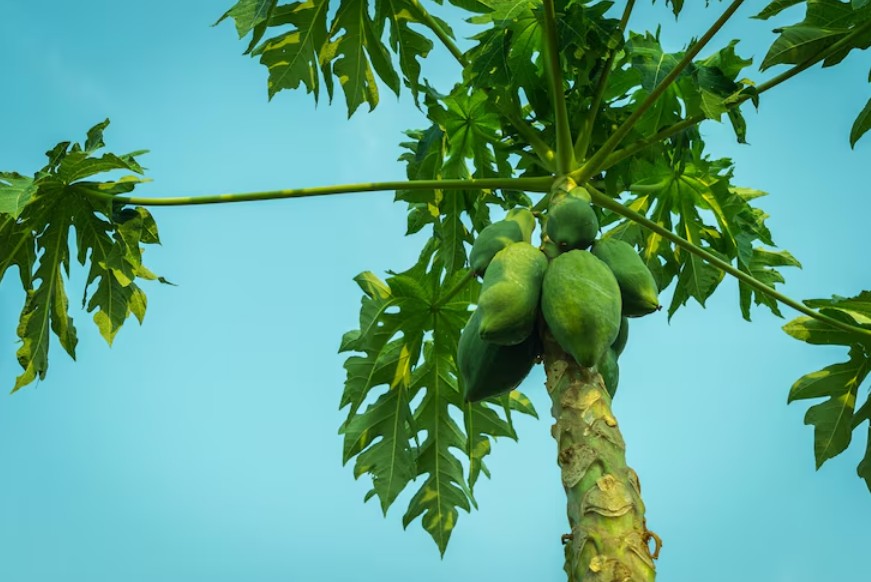
Growing a papaya tree from seeds in pots is both rewarding and practical for urban homes. With the right balance of sunlight, water, and care, you can successfully nurture a healthy plant that adds greenery to your space, and may even yield fresh, home-grown papayas.
Don't Miss: 6 Peace Lily Décor Ideas For Living Room To Make Your Home Aesthetic
Keep reading Herzindagi for more such stories.
Image Courtesy: Freepik
Also watch this video
Herzindagi video
Our aim is to provide accurate, safe and expert verified information through our articles and social media handles. The remedies, advice and tips mentioned here are for general information only. Please consult your expert before trying any kind of health, beauty, life hacks or astrology related tips. For any feedback or complaint, contact us at [email protected].