Sun Mar 22, 2026 | Updated 11:23 AM IST HZ Awards 2026

-1769513515157.webp)
Last week we spoke about insurance and how it protects us during life’s biggest storms. Insurance is the umbrella that opens when rain pours without warning. But there is another shield that works quietly, day by day, and stands between you and sudden financial stress. It is called the emergency fund.
Many women feel confident because they have some savings or a fixed deposit. Some keep money at home for unexpected needs. Some believe that in an emergency, family will step in. But an emergency fund is not just savings. It is not investment. It is not someone else's support. It is your personal financial first aid box, one that you create with intention.
Think for a moment about the last unexpected expense you faced. A medical test. An urgent travel plan. A sudden school fee. A household repair. Or perhaps something deeper, like a job loss or a health scare in the family. These moments do not arrive with an appointment letter. They come suddenly and demand immediate action.
This is why every woman needs an emergency fund. It gives dignity during stress, independence during uncertainty, and clarity during chaos. It ensures that in a crisis, you do not have to borrow at high interest, break long term investments, or depend on others. It allows you to take decisions from strength, not fear.
Let us understand what an emergency fund really is. It is a separate pool of money kept aside only for unexpected needs. Not for festivals or purchases or vacations. Not for everyday expenses or emotional decisions. This money is meant only for true emergencies that affect your life, livelihood, or health.
How much should this fund be. A simple guideline is three to six months of your essential monthly expenses. If your family spends twenty thousand a month, your emergency fund should be between sixty thousand and one lakh twenty thousand. If your income is unstable or if you are the primary earner, aim for six months or even more.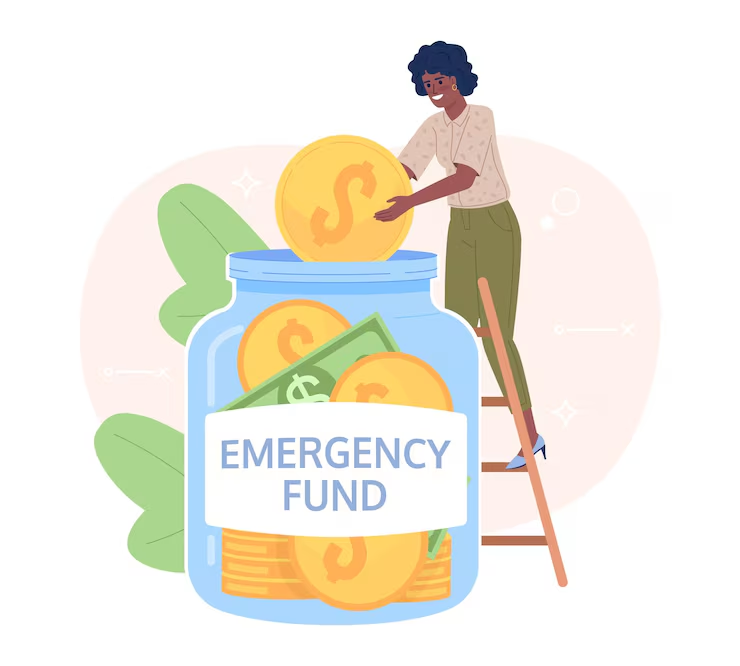
Here is an important perspective that many women never consider. You can build two kinds of emergency funds. A family emergency fund, which protects your home from large shocks like medical situations, job loss, or sudden expenses. And a personal emergency fund, a small separate amount that protects you as an individual. This is especially important for homemakers, women on career breaks, or women working in informal jobs. Your personal fund need not be very large. Even ten or fifteen thousand kept separately gives you a sense of confidence and autonomy. It is your private cushion, your quiet strength.
Where should this money be kept. It needs to be accessible but not so easily reachable that you end up using it casually. A regular savings account works. A sweep account gives slightly better returns. Many experts also recommend liquid mutual funds that can be withdrawn quickly and offer stability. Avoid putting your emergency fund in long term fixed deposits, gold, stocks, or high risk products. The purpose here is access and safety, not returns.
Read: What Most People Don’t Understand About Insurance, Even Though Almost Everyone Has It
Health emergencies deserve special attention. Even with health insurance, hospitals often ask for deposits at the start. Medicines need to be purchased immediately. Sometimes insurance approvals take time. This is where your emergency fund steps in to bridge the gap. It keeps things moving until the insurance claim is processed.
You might be thinking, how do I start when money already feels tight. The answer is simple. Start small. Even five hundred or one thousand rupees a month is enough. The magic lies in consistency. Over time, these small amounts gather into a meaningful cushion. And once this fund is built, you must protect it with discipline. It is not meant for gifts, shopping, or daily expenses.
This week, I want you to do an important exercise.
Write down your essential monthly expenses:
Groceries, Rent, School fees, Medicines, Transport, Electricity.
Add them up.
Multiply by 3 — minimum emergency fund target.
Multiply by 6 — ideal target.
Then decide how you will begin.
Move existing savings if possible; if not, start monthly.
Once you have clarity, open a separate account or create a separate section in your bank app for this purpose. Name it Emergency Fund so you never forget its purpose. Make a small transfer every month. Increase it whenever your income grows. Use festival bonuses or gifts to add to it. Build it slowly, but build it surely.
An emergency fund gives you peace of mind. It transforms fear into preparedness. It gives you the strength to support your family without panic and the confidence to stand on your own during your toughest days.
True Laxmi does not only bless your home when times are good. She stands by you when times are uncertain. And preparation is her favourite form of devotion.
Next week we will talk about loans and credit. How to borrow wisely, how to avoid traps, and how to use credit as a tool instead of a burden.
Our aim is to provide accurate, safe and expert verified information through our articles and social media handles. The remedies, advice and tips mentioned here are for general information only. Please consult your expert before trying any kind of health, beauty, life hacks or astrology related tips. For any feedback or complaint, contact us at [email protected].