Sun Mar 22, 2026 | Updated 04:50 AM IST HZ Awards 2026

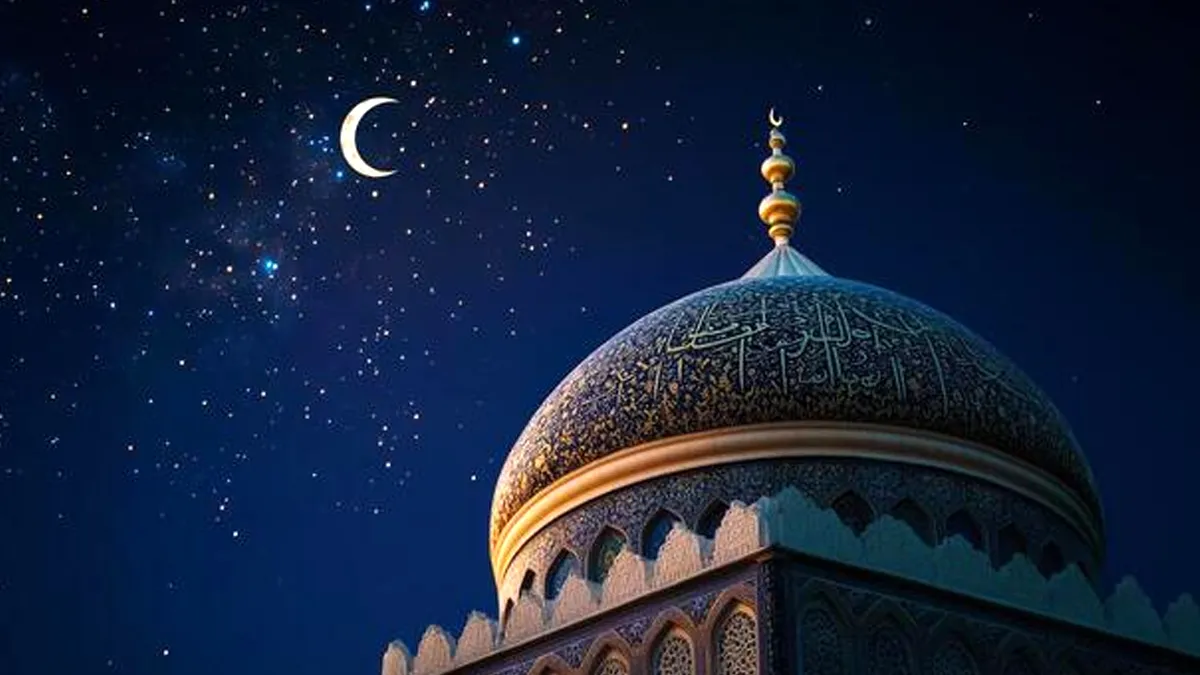
Eid ul-Fitr, widely known as Ramzan Eid or Meethi Eid, is one of the most significant festivals in Islam, bringing millions of Muslims together worldwide. The festival directly translates to the 'Festival of Breaking the Fast', marking a joyful conclusion to Ramadan. Throughout this holy month, devoted followers observe strict fasting, known as roza, from dawn until sunset. The celebrations kick off the day immediately following the final day of Ramadan.
The festival spans the first three days of Shawwal, the 10th month of the Islamic lunar calendar (Hijri). Because the Islamic calendar relies on the phases of the moon, the exact date of Eid shifts slightly every year.
On Monday, the Saudi Supreme Court issued an official statement directing Muslims across the Kingdom to look for the Shawwal crescent moon on the evening of Wednesday, March 18, 2026. According to the Umm Al Qura calendar, this Wednesday aligned with the 29th of Ramadan 1447 AH, signalling the potential end of the fasting period.
However, skywatchers did not sight the Shawwal crescent on Wednesday, March 18, 2026. Consequently, Saudi Arabia and the UAE officially announced they would celebrate Eid ul-Fitr on Friday, March 20, 2026. Following this declaration, neighbouring Gulf nations, including Kuwait, Qatar, Bahrain, and Oman, confirmed they will also observe the holiday on Friday.
South Asian countries traditionally spot the moon and mark the festival a day after the Gulf nations. This geographic difference means that Muslims in countries like India, Pakistan, and Bangladesh will most likely observe their final roza and look for the crescent moon on Friday, March 20, 2026. If they spot the moon, then South Asia will celebrate Eid ul-Fitr on Saturday, March 21, 2026.
The roots of Eid ul-Fitr trace back to the time of the Prophet Muhammad. During his life, the Prophet established two primary holidays for the Islamic faith: Eid ul-Fitr and Eid al-Adha.
Beyond simply breaking a month-long fast, the festival holds deep spiritual meaning. It serves as a time for Muslims to express profound thankfulness to Allah for granting them the strength, mercy, and bounty to complete their spiritual journey through Ramadan. Furthermore, the holiday champions community unity, encouraging individuals to cultivate love, practise kindness, and give to charity.
ALSO READ- 5+ Minimal Floral Mehndi Designs For Eid 2026
The day begins early with a special morning prayer known as Eid Salah, which communities usually hold in large mosques or expansive open grounds. After concluding their prayers, people spend the rest of the day visiting relatives and friends.
A major highlight of the festival is the feast. Families gather around tables filled with traditional sweet dishes like Seviyan (vermicelli), Kheer, and Phirni, which is exactly why the holiday affectionately earned the nickname 'Meethi Eid'.
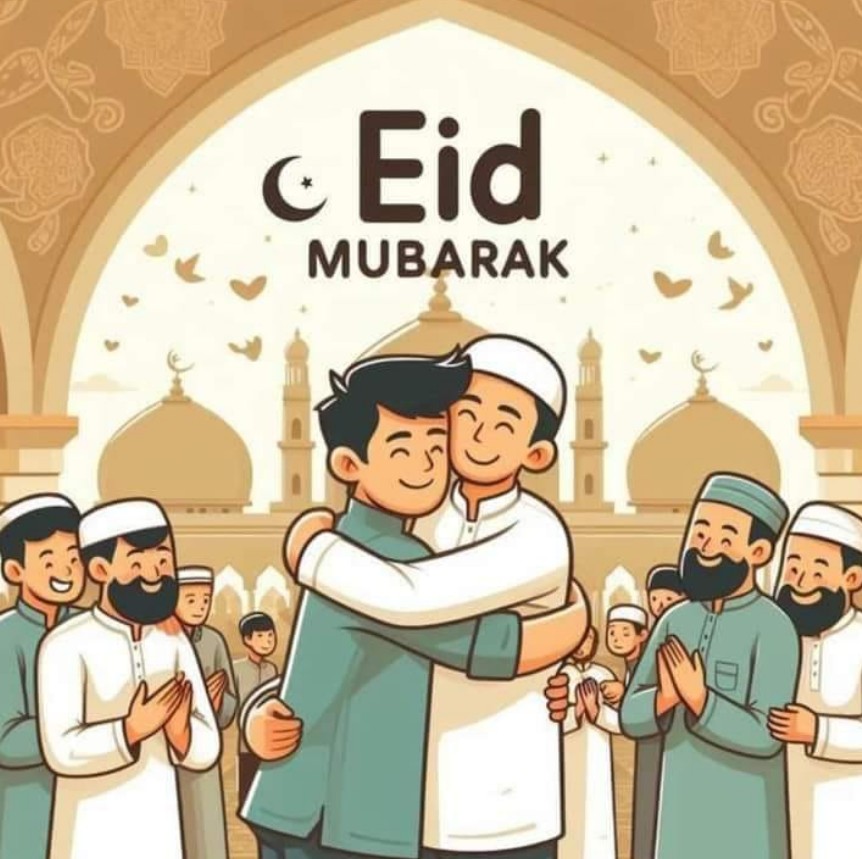
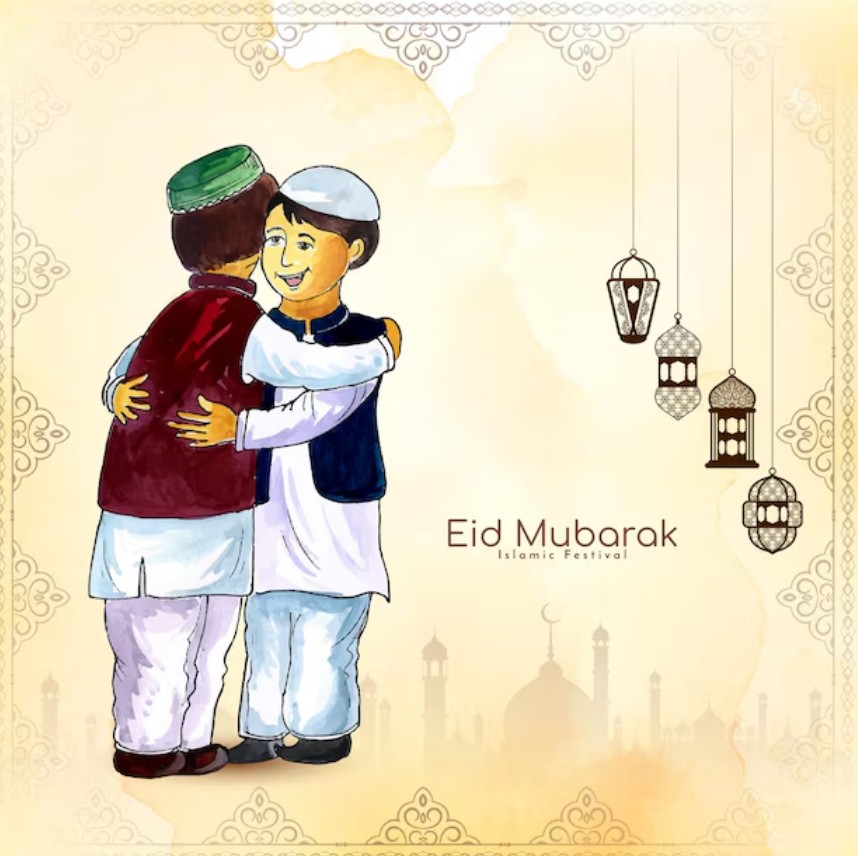
Throughout the day, people exchange warm ‘Eid Mubarak’ greetings, embrace one another to symbolise brotherhood, and spend quality time strengthening their bonds with loved ones.
Keep reading Herzindagi for more such stories.
Image Courtesy: Freepik
Herzindagi video
Our aim is to provide accurate, safe and expert verified information through our articles and social media handles. The remedies, advice and tips mentioned here are for general information only. Please consult your expert before trying any kind of health, beauty, life hacks or astrology related tips. For any feedback or complaint, contact us at [email protected].