Wed Apr 1, 2026 | Updated 08:31 AM IST HZ Awards 2026

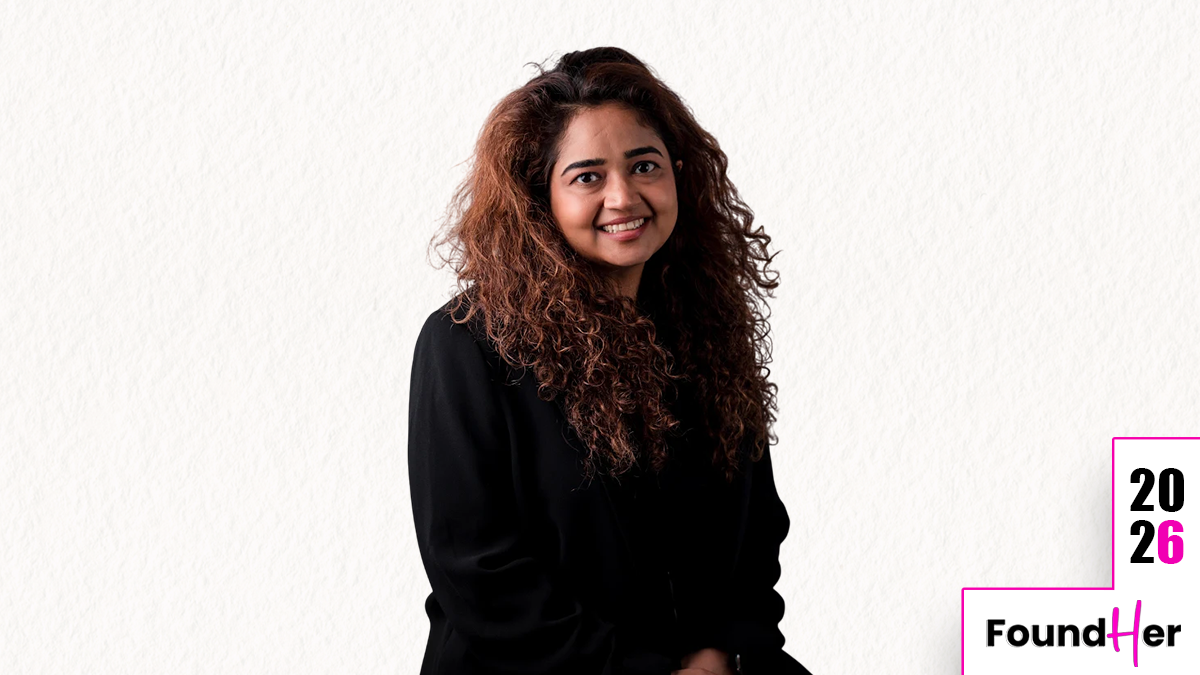
Building a successful D2C brand in a competitive market is no easy feat, but Nasher Miles has managed to carve a distinct space in India’s luggage industry. In this exclusive conversation, Co-founder and Head of Marketing Shruti Kedia Daga opens up about the inspiration behind the brand, the challenges of building trust in a legacy-driven category, and the shift towards design-led, customer-first products. From scaling sustainably to securing a rare all-shark deal on Shark Tank India, she shares key insights into growth, innovation, and what it truly takes to build a lasting brand.
This is part of our FounderHer series, where we spotlight inspiring women entrepreneurs and their unique journeys. If you are a woman founder, apply for our flagship Womenpreneur Awards 2026 and Nomination Form Here.
Travel has always been a big part of her life, and over time, she realised that luggage in India was largely functional, but lacked personality, and she felt everything was black, bulky, uninspiring, and, as an Indian, she knew that she needed to get something fresh, yet long-lasting and durable. This was where she saw an opportunity to build a brand that made travel feel more expressive and enjoyable, starting with something as simple yet essential as your luggage, which is a great market to enter. “The biggest challenge that I anticipated facing was building trust in a category where consumers were already leaning toward legacy brands”, says Shruti Kedia Daga. It was difficult for her to build a position, but she did and continues to strengthen it. As a new D2C brand, convincing customers to try something new, especially for a high-involvement product like luggage, required a lot of focus on quality, reviews, and consistent customer experience.
As a new D2C brand, she already knew that black and bulky bags already existed in the market. For them, travel is not just moving around; it's an emotion, it's about experience, memories, and not just utility. She wanted her products to reflect that excitement. And there's nothing better than adding colours and making it stylish that helps people express themselves, not just making them functional and durable, but also adds life to their travel experience and makes their bags easier to identify, which is a practical bonus. Nasher Miles, as a luggage brand, combines style, design, affordability, and functionality in its products in a way that’s accessible to modern Indian consumers. Also, being a digital-first brand allows us to stay close to our customers, iterate quickly, and offer products that are relevant to today’s traveller rather than relying on outdated designs.
To decide on our next launch, products, and designs, we closely track customer feedback, searches, reviews, and buying patterns across platforms like Flipkart and Amazon, and along with that, we look across global travel and fashion trends currently emerging. Our team also combines the insights from our offline retail presence across EBOs and partner stores. “And we believe if something solves a real customer problem while adding a fresh design perspective, it’s worth building”, says Shruti. She thinks her personal favourite is the Istanbul Collection. It stands out because of its dual-colour design, which brings a fresh, contemporary twist to luggage, something that’s still quite rare in the category. We, as a brand, wanted to break away from single tone, predictable designs and create something that feels more dynamic and expressive. The contrasting colour combinations give the suitcase a bold identity while still keeping it versatile for travel lovers with different preferences.
Customer feedback has been central to their evolution. She considers this our biggest strength, reflected in improvements from wheel quality and handle strength to interiors and new features. Many of our upgrades come directly from what customers tell us. As a team, we look very closely at customer reviews. It keeps them grounded and ensures we’re solving real problems. They have seen a surge in online shopping from smaller cities post-COVID. They clearly see Platforms like Amazon and Flipkart have played a huge role in this shift for them. Additionally, even today, a large portion of their sales comes from Flipkart, where the customer base is largely from Tier 2, 3, and even Tier 4 cities. And most interesting is that customers in these markets are just as design-conscious and aspirational as metro consumers. They’re actively looking for products that are stylish, durable, and offer good value. Also, their offline presence across multiple cities has helped them reach these customers more effectively and build trust as a brand. In addition, they are seeing a strong democratisation of demand. Great design and quality are no longer limited to metros, and that’s been a big growth driver for them.
One of her most memorable milestones was their appearance on Shark Tank India Season 3, where they secured an All-Shark deal, something that’s extremely rare on the show. They went in with a clear vision and strong belief in what they were building, but what stood out was the unanimous conviction from all five Sharks. They ended up closing a deal of ₹3 crore for 1.5% equity, with backing from Aman Gupta, Namita Thapar, Vineeta Singh, Anupam Mittal, and Ritesh Agarwal. For them, it wasn’t just about the funding; it was a powerful validation of their brand, their product, and the category they’re building in. To go from being a bootstrapped brand for years to receiving that level of endorsement on a national platform was incredibly special.
![[image] - 5321764](https://images.herzindagi.info/her-zindagi-english/images/2026/03/30/template/image/[image]---5321764-1774872281044.jpg)
As brands, they need to identify a genuine gap in the market and build a product or service that truly solves it. As an owner, your focus should always be on adding real value to the customer’s life. Today, it’s easy to launch a brand, but much harder to build one that lasts. One should not just start another product for the sake of building it; start with the aim of understanding a clear problem and a strong point of view on how you’re going to solve it better than anyone else. If you get that right, everything else-branding, marketing, and growth-becomes much more meaningful and sustainable.
As a team, they've taken a very disciplined approach to growth, focusing on building a sustainable business rather than chasing scale at any cost. Strong unit economics, efficient inventory management, and leveraging profitable channels have been key to how they’ve scaled. As they expand offline, they are equally thoughtful of adding EBOs in a measured way and choosing the right distribution partners, instead of growing aggressively without control. Their team is actively using AI to build smarter processes across logistics, warehousing, and inventory management to drive efficiency as they scale. On funding, their philosophy has been simple: funding will come when it does. It often is outside the founder’s control. At the end of the day, nothing replaces a solid business built on strong fundamentals. One of the biggest lessons has been to never lose sight of the bottom line while chasing topline growth.
View this post on Instagram
Image credits: Instagram
For more such stories, stay tuned to HerZindagi.
Also watch this video
Herzindagi video
Our aim is to provide accurate, safe and expert verified information through our articles and social media handles. The remedies, advice and tips mentioned here are for general information only. Please consult your expert before trying any kind of health, beauty, life hacks or astrology related tips. For any feedback or complaint, contact us at [email protected].