Wed Apr 1, 2026 | Updated 11:14 AM IST HZ Awards 2026

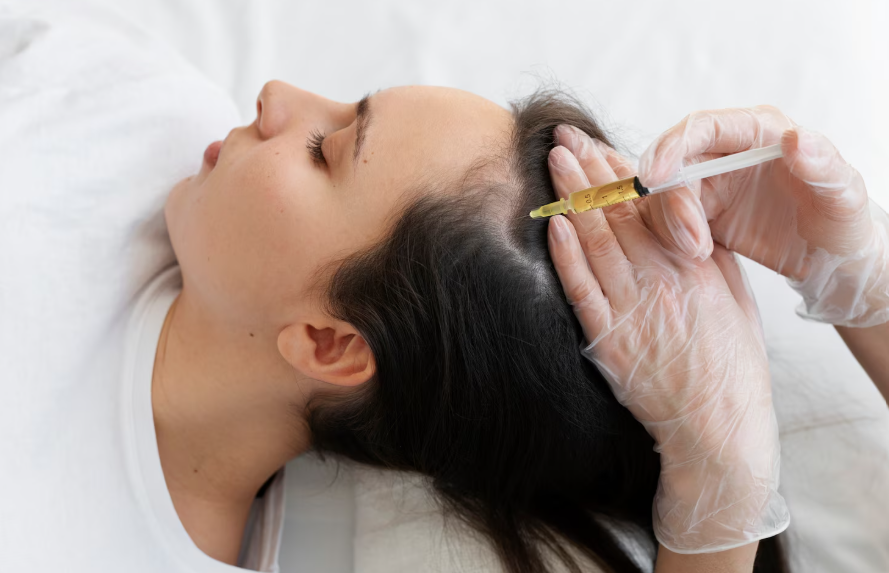
The prospect of a fuller and thicker mane of hair sans invasive surgery is highly appealing for any person having to live with early signs of hair thinning or persistent hair fall. Enter Hair Fillers, a state-of-the-art, non-surgical treatment gaining fast popularity in trichology clinics across India.
We consulted Chandan Jha, Senior Consultant and Trichologist at Apolo Hair Studio, Noida, to break down what this innovative treatment is, how it works, and who benefits the most from it.
Hair fillers are an advanced, injectable formulation that are engineered to revitalise hair follicles and generally improve scalp health.
As Chandan Jha explains, hair fillers are prepared on a special composition that contains all the essential nutrients, along with a soft, hydrating gel called sodium hyaluronic. Introduced onto the scalp, this composition works to ‘reactivate sluggish follicles, improve scalp hydration, and support thicker, healthier hair’.
Many trichologists do this treatment to stabilise the ongoing hair fall and also to rejuvenate follicle activity. Often, hair fillers can be used along with other regenerative treatments, such as PRP (Platelet-Rich Plasma) or GFC (Growth Factor Concentrate), to enhance the effects of hair fillers.
Don't miss: Anti-Ageing Hair Care Regime By Shahnaz Husain
Hair fillers work by attempting to give the scalp an ideal condition for hair growth.
The sodium hyaluronic gel forms a hydrating and supportive matrix around the hair follicles. Within this gel, the concentrated blend of vitamins, peptides, and growth factors is delivered directly to the root, thus bypassing the scalp barrier. This ensures targeted delivery to stimulate circulation, neutralising inhibitors, and extending the hair growth cycle.

While hair fillers may differ in their base formula, which often contains sodium hyaluronic acid and nutrients, the types may differ in terms of the specific blend of peptides and growth factors present to address different types of hair loss. The type used would always depend on the kind of diagnosis made by the trichologist.
The beauty of hair fillers is their minimal invasiveness with maximal results:
Non-invasive: The treatment only involves simple injections without surgical cuts, hence making it a comfortable, walk-in/walk-out treatment.
Improved Hair Density/Thickness: It mainly aims at providing thicker and fuller hair from the existing roots, but weakened ones.
Reduced Hair Fall: By revitalising and anchoring the follicles, the treatment helps in stabilising and slowing down excessive hair shedding.
Improved Scalp Health: Hyaluronic sodium will provide for deep hydration and a healthier micro-environment for the hair root.
No Downtime: According to Jha, “The operation is simple, and most people are back at work straight away."
Don't miss: Five Super Easy Hacks To Help Blend Your Hair Extensions Perfectly
Generally, hair fillers are well tolerated; however, like with any injection treatment, side effects may occur at the site of injection.
Common side effects include temporary redness, mild swelling, tenderness, or bruising at the injection area. These usually resolve within a few hours to a day.
Before initiating any session, Jha highlights that the patient undergoes a basic medical consultation, like having a few blood tests, to negate the underlying nutritional or hormonal problems that may hinder the success of the treatment. Patients need to tell a doctor about all allergies and medications taken currently.
Hair fillers are not one-size-fits-all, but they are very effective in selected patients.
Jha corroborates that individuals prone to early stages of hair thinning, increased hair fall, or frizz benefit most.
Early thinning: It is particularly effective for people who have just recently started to develop a loss in volume of hair, since the follicles are still in place and alive.
Diffuse Thinning: Diffuse thinning may be effective if hair loss is scattered all over the scalp, often related to stress, nutritional deficits, or post-illness shedding.
The treatment is generally prescribed only after a trichologist evaluates the pattern and stage of loss to confirm suitability. In general, it is not prescribed for an advanced stage of baldness in which hair follicles are completely lost.
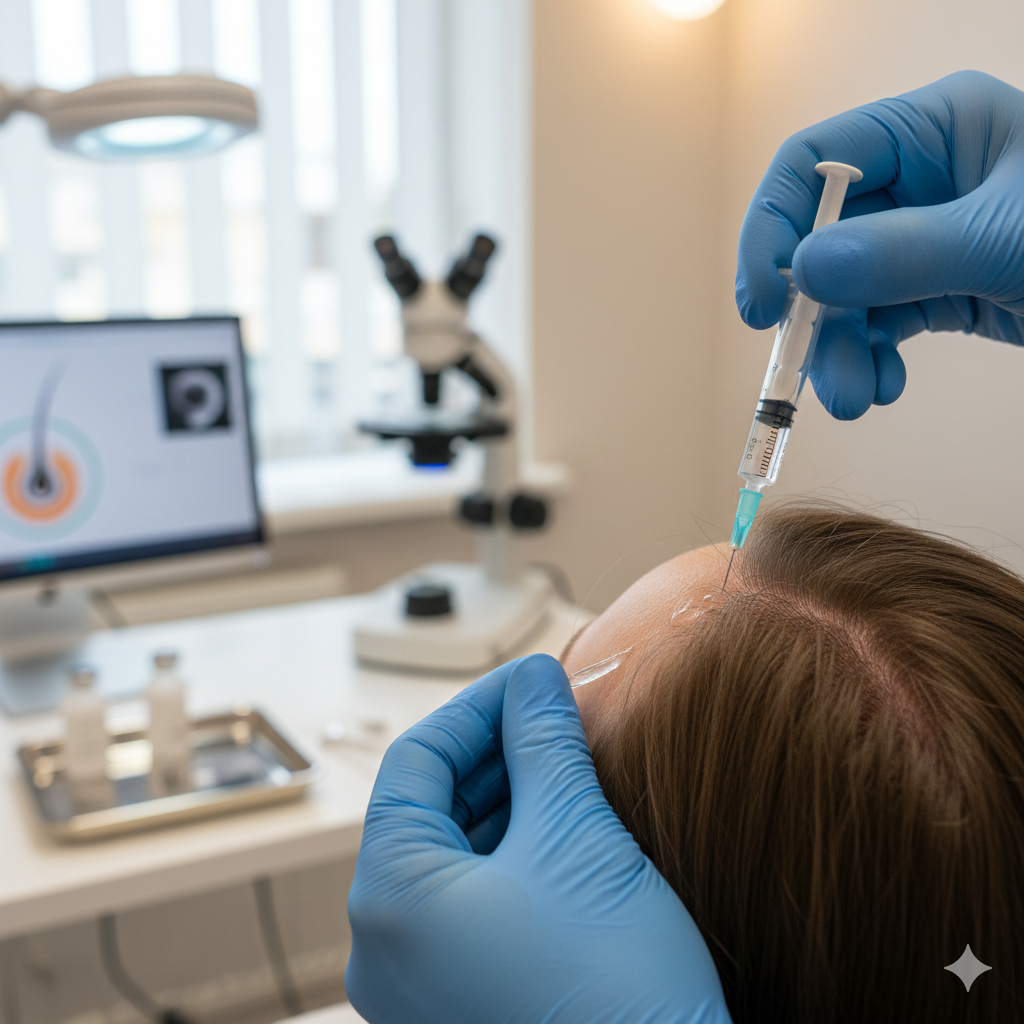
The journey on hair filler involves two phases: the initial phase of treatment and the long-term phase of maintenance.
Initial Phase: Results typically start to appear after three to four monthly sessions.
Maintenance Phase: After the initial sessions, patients proceed with maintenance sessions.
According to Jha, "The frequency depends on the degree of thinning and the response of the hair, but regular follow-ups help in sustaining the improved density and slowing further loss. The results of this would best be optimised and maintained should it be combined with a holistic approach: proper nutrition, stress management, and a prescribed hair care regimen.”
Image courtesy: Freepik
For more such stories, stay tuned to HerZindagi.
Also watch this video
Herzindagi video
Our aim is to provide accurate, safe and expert verified information through our articles and social media handles. The remedies, advice and tips mentioned here are for general information only. Please consult your expert before trying any kind of health, beauty, life hacks or astrology related tips. For any feedback or complaint, contact us at [email protected].