Sun Mar 22, 2026 | Updated 08:10 AM IST HZ Awards 2026

-1768989798378.webp)
Preventative Botox has picked up steam as one of the most sought-after beauty trends among women in their 20s. Click through social media, and you’ll find no wrinkles on foreheads, smooth-sounding skin, and people using fillers as a DIY self-care practice. But what lies beneath the main conversation on Botox is more complex.
According to the American Society of Plastic Surgeons, the trend of Botox consumption in the 20-29 years age group has steadily increased over the past ten years. Dermatologists reveal that this trend is not entirely driven by beauty, but by the eternal bombardment of high definition selfies and video calls that accentuate normal expressions.
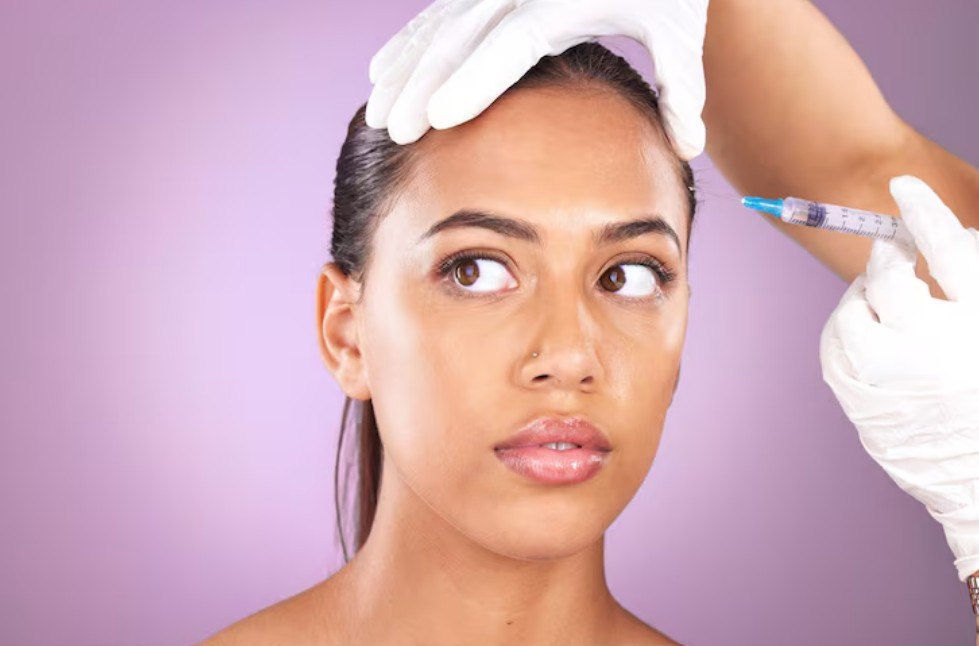
Preventative Botox relies on the usage of botulinum toxin before apparent wrinkles develop in order to slow their progression. This treatment is very easy to understand: because muscle activity leads to wrinkles with time, limiting this activity from inception may potentially delay this effect.
Nevertheless, it has been asserted that this phenomenon is commonly misunderstood and is even unnecessary.
Dr Zeba Chhapra, MBBS, DDVL, Founder and Dermatologist at Serenity Med Aesthetics, Bandra, Mumbai, believes age alone should never determine whether someone gets Botox.
“Preventative Botox in the 20s is rarely required,” she explains. “My decisions are guided by what the skin is biologically showing, not by trends or fear of ageing.”
She notes that Botox should only be considered when static lines, wrinkles visible even when the face is at rest, begin to appear. Without these signs, early injections often amount to over-treatment rather than genuine prevention.
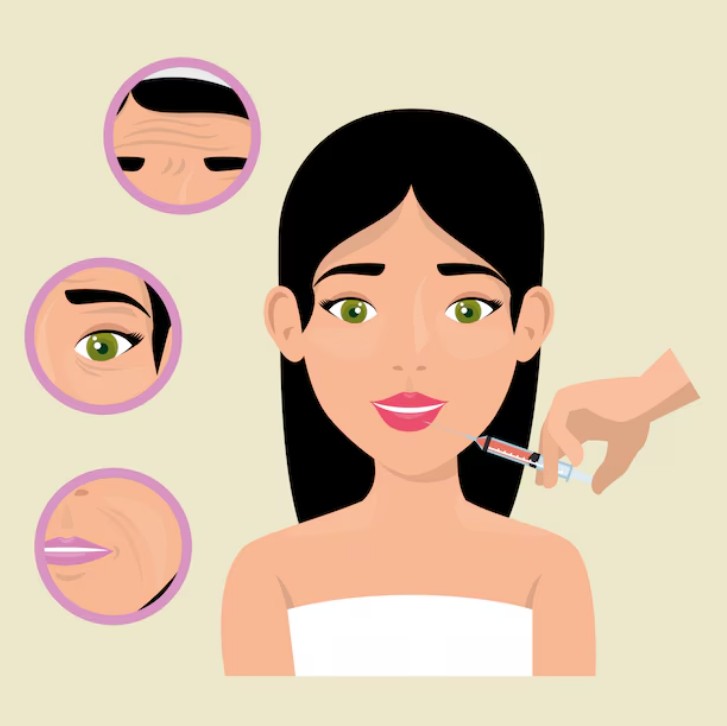
Ageing is a gradual process. With the passage of time, collagen declines, the skin loses some of its elasticity, and the muscular contraction creates folds. These processes add up, rather than making their presence felt in the early twenties. Suppressing facial movements even before the occurrence of fatigue is not a guarantee of desired results.
Occassionally, overaggressive or too-early use of these injectables can disturb the natural balance of facial features, soften facial expressions, all of which can encourage a mentality of relying on plastic surgery.
Dr Chhapra’s point here, again, is that teenagers and individuals in their early to mid twenties need to focus on the basics: skin routines, managing sun exposure, sleeping well, staying hydrated, eating well, and managing stress. These will, in the long run, do much more to affect skin health, she says, than attempting early treatments with injectables.
ALSO READ- 5 Warning Signs Your Body Is Ageing Faster Than It Should
However, there are some medical and anatomical situations where the use of Botox would make sense, including in younger people. These would include: inherited lines, forehead lines, clenching of the jaw from grinding, or cases of hyperhidrosis, in which Botox has been shown to be 'life changing.’
Preventative Botox is not inherently wrong. As Dr Chhapra says, “Great dermatology isn’t about doing things earlier or doing things more. Great dermatology involves being guided by evidence, being conservative in your thinking, and being respectful of the way your face ages.”
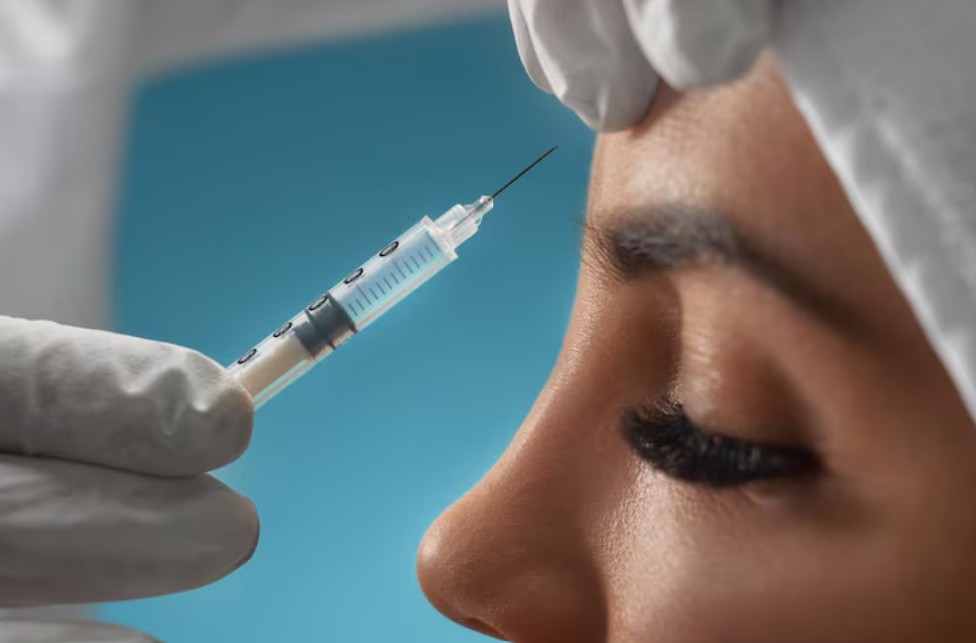
When it comes to Botox, timing, technique, and restraint matter far more than age.
ALSO READ- Is Face Taping A Replacement For Botox? Experts Urge Caution
Keep reading Herzindagi for more such stories.
Image Courtesy: Instagram
Also watch this video
Herzindagi video
Our aim is to provide accurate, safe and expert verified information through our articles and social media handles. The remedies, advice and tips mentioned here are for general information only. Please consult your expert before trying any kind of health, beauty, life hacks or astrology related tips. For any feedback or complaint, contact us at [email protected].