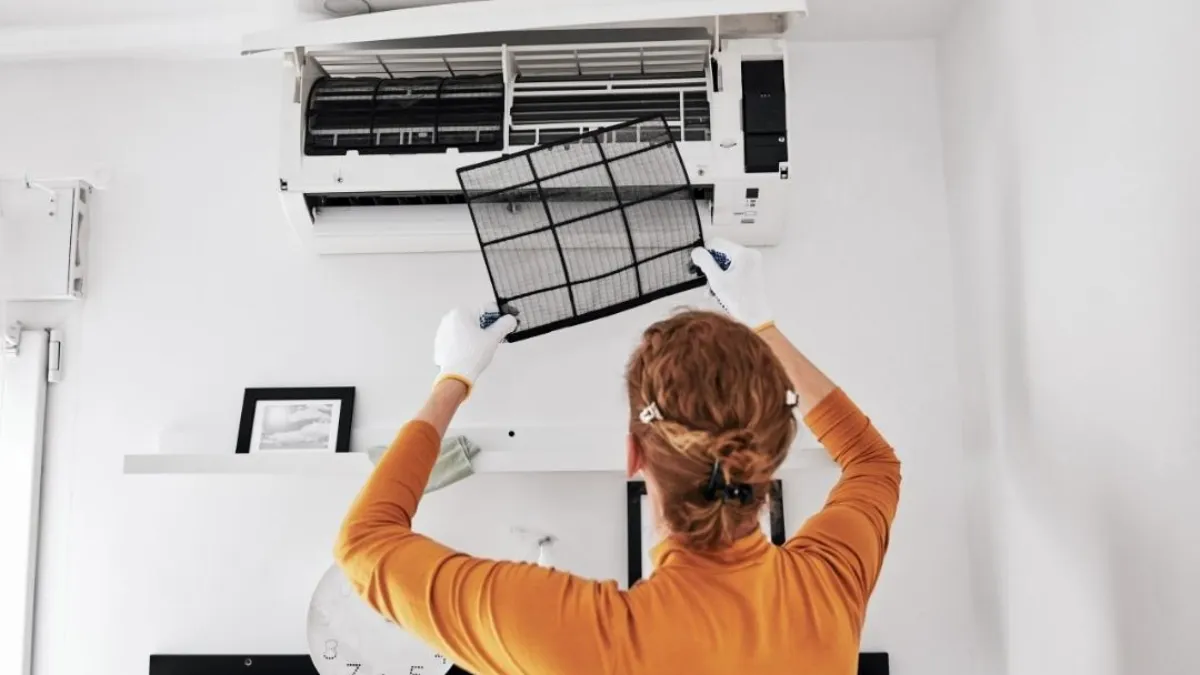
Proper AC-filter care does more than keep your room cool it protects lungs, cuts bills and slows wear on the machine. In India’s mix of dusty summers and humid monsoons, filters become the single most important maintenance item. This guide shows exactly what to do, when to do it, and adds India-tested tips (fast drying tricks, salt-air handling, hard-water rinses, a DIY “before/after check).
Why Cleaning The Filter Is Non-Negotiable
A filter clogged with dust and fibers chokes airflow and forces the compressor to run longer. The immediate effect is slower cooling and higher bills; the long-term effect is more frequent breakdowns and a shorter machine life. Clean filters also trap PM (fine particles) that irritate asthma and allergies a big deal in cities during dust seasons. Think of filter cleaning as a small, cheap habit that gives outsized returns: faster cooling, cleaner air and fewer service calls.
When To Clean (Seasonal Plan Tailored For India)
Instead of a static “every X weeks use a seasonal plan. Before summer (March) do a deep clean and a coil inspection so the unit is ready for heavy duty. During April and June (dusty heat), inspect monthly; in households with pets or lots of cooking, check fortnightly. Monsoon (July-September) is critical: humidity feeds mould, so clean every two weeks and always dry the filter completely before reinstalling.
After the monsoon, do a thorough wash to remove sticky dust that clings to moist fibres. In winter, when use drops, a clean every 2-3 months is fine. If you subscribe to an AMC from a recognised provider like Voltas, ask them for pre-summer and post-monsoon visits; these two services avoid most problems.
Tools, Supplies And a Few Uncommon But Safe Additions
- Vacuum with a soft brush head
- Mild detergent
- Soft toothbrush
- Gloves and a mask
India-tested helpers:
- Small packet of silica gel (from new shoe boxes) to speed drying
- Charcoal sachet to absorb lingering musty smells after cleaning
- Spray bottle with 1:3 white vinegar: water mix for stubborn bio-films (always rinse afterwards)
Additional tips for Indian conditions:
- For homes with hard water, rinse filter frames with a splash of diluted vinegar to dissolve mineral deposits, then finish with a filtered-water rinse
- Avoid using bleach directly on filter material; use it only on plastic frames and rinse thoroughly
Step-By-Step Cleaning (With Safety And a Faster-Drying Hack)
Start by killing power to the AC (unplug or switch off the breaker) and waiting five minutes. Remove the front panel and gently slide out the mesh filter(s) note their orientation so you can reinstall them the same way. Inspect: if the mesh is torn or permanently misshapen, replace it. Vacuum both sides first to remove loose dust; this keeps your basin from turning to sludge.
If washable, soak in warm water with a teaspoon of mild detergent for 15-30 minutes. Gently scrub along the mesh with an old toothbrush rather than across it. Rinse under running water in the reverse of the airflow direction to flush trapped particles out of the weave. Keep water under 40°C so plastic frames don’t warp.
Dry completely before reinstalling. Quick-dry trick (India-proven): after shake-off, prop the filter vertically in front of a table fan set to high and place a silica-gel packet near its top edge. The forced air + desiccant often dries a thin mesh in 60-90 minutes, even during humid days. Never use direct sunlight for long periods (it can warp frames and fade materials). Use a hairdryer only on the cool setting if you’re in a hurry; hot air risks shrinkage.
India-Specific Problems And Clever Fixes
Coastal homes: salt deposits make filters go brittle and corrode metal parts. Rinse filters with fresh water (not just city tap) if you can, then dry fast; if the outdoor unit shows corrosion, get anti-corrosion spray applied to metal parts (not on filters). Monsoon mould: if the filter smells musty after cleaning, place a charcoal sachet inside the AC’s indoor unit (not touching the coil) for 48 hours charcoal absorbs milder odors. For visible mould on frames, scrub with diluted vinegar, rinse thoroughly and dry in the fan+silica setup above. Hard-water spots: a light vinegar rinse dissolves mineral films; follow with clear water.
City-Specific Micro-Advice (Delhi vs Mumbai vs Chennai vs Hill Stations)
- Delhi / Dusty Plains: Use a pre-filter and vacuum the AC filter weekly during dusty months (March-June) to prevent fine dust buildup.
- Mumbai / Chennai (Coastal Areas): Rinse filters with fresh water after washing to remove salt deposits from the air, and ensure fast drying to prevent corrosion and mold.
- Monsoon-Prone Interiors (Any city with high humidity): Apply a mild vinegar rinse (1:5 ratio) on frames and use a charcoal sachet inside the AC to absorb lingering odors.
- Hill Stations / Cooler, Humid Regions: Dust is lower, but moisture is higher focus on thorough drying and regular mold checks, even if the filter looks clean.
Replace vs Clean a Decision Checklist You Can Use
Clean when: filter holds shape, comes clean after a scrub and dries fully with no lingering smell. Replace when: fabric tears, mesh or plastic frames are warped, or a musty smell remains after two cleanings. As a habit, note the date of each cleaning in a small filter log (date, method used, observation: smell, tears, stubborn grime). After three cleans in a year and persistent dullness, buy a new unit replacement is cheaper than efficiency losses.
Prove The Impact at Home: Two Quick Experiments
- Airflow check: before cleaning, put your hand near the vent and rate airflow 1-10. Clean the filter and repeat measurable improvement of even 1-2 points is meaningful.
- Simple PM check: if you have an inexpensive PM2.5 monitor, record a 15-minute reading near the supply vent before and after a clean. Many users see a drop in short-term spikes, which is good evidence for readers or customers.
Small systems that stop you from slipping
Create a one-line filter log in your phone: “Cleaned on method notes.” Tie it to seasonal reminders: pre-summer and pre-monsoon are musts. If you run an AMC, check the service dates and request the two seasonal visits. These tiny process changes are why some homes never have preventable AC failures.
Quick troubleshooting and when to call a technician
If cooling doesn’t improve after a clean, confirm the filter was seated correctly and bone-dry. If airflow is fine but cooling is poor, the issue may be coils, refrigerant or blower problems call a technician. Persistent odors after cleaning suggest deeper mold in coils/drain pans that require professional coil wash.
Where You Can Go Wrong: Common AC Filter Mistakes to Avoid
Even with the best intentions, small errors during filter cleaning can reduce efficiency, damage your AC, or create health hazards. Here’s what to watch out for:
- Reinstalling a Damp Filter: Placing a wet or partially dry filter back in the AC can cause mould growth and a musty smell. Always ensure filters are completely dry.
- Using Harsh Chemicals or Bleach on Mesh: Strong cleaners can degrade the filter material or frames. Stick to mild detergents, vinegar solutions, or manufacturer-recommended cleaners.
- Scrubbing Too Hard or Bending the Filter: Aggressive brushing can tear the mesh or warp frames, especially in split ACs. Gentle strokes along the mesh are enough.
- Ignoring Seasonal Adjustments: Not increasing cleaning frequency during dusty summers or humid monsoons can shorten filter life and reduce airflow.
- Neglecting Pre-Filters or Outdoor Units: Large dust or pollen can clog the main filter faster if pre-filters or outdoor grills aren’t cleaned regularly.
- Skipping Drying Tricks in Humid Areas: In cities like Mumbai or Chennai, simply air-drying in the shade may not be enough. Use fans or silica-gel packets to ensure complete drying.
- Incorrect Filter Orientation: Placing the filter upside down or backwards can reduce airflow and cooling efficiency. Always follow the airflow arrow marked on the filter.
- Relying on Cleaning Alone: Persistent odours or reduced cooling may indicate coil or drain pan issues. Cleaning filters alone won’t fix these problems.
Closing: small effort, big return
A 30 to 60 minute filter clean (plus drying) every month or two is a small time cost compared with higher electricity bills, service calls and health irritation. Add the drying tricks, silica/charcoal hacks and a simple log these make your maintenance smarter, not harder.
Disclaimer: At HerZindagi, we prioritize providing the up-to-date information on the latest trending commodities and goods. This Article is written and vetted by our in-house category authors in sync with the Google guidelines on product reviews and shoppable content. HerZindagi is in an associate partnership, so we may earn a part of the revenue when you make a purchase. We shall not be liable for any claim under applicable laws, including but not limited to the Consumer Protection Act, 2019, concerning the products. The products listed in this article are in no particular order of priority.
Loading...