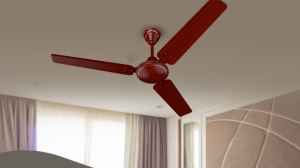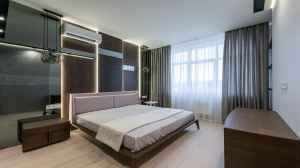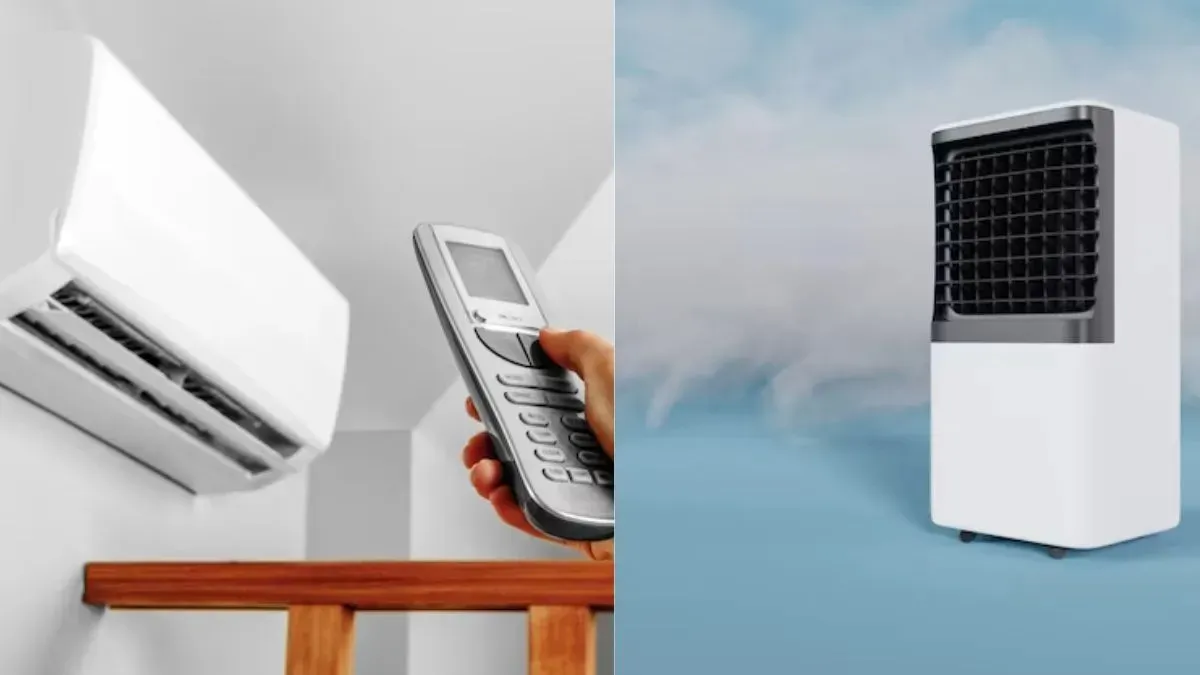

If you are living in a hot dry climate, have a tight budget, or want minimal running costs and portability, then an air cooler is an excellent option. If your location is a humid one, you need the cooling to be precise and quick for a bedroom/living room, want better air filtration and dehumidification, and are ready to accept higher purchase and running costs then go for an air conditioner. For many apartments in the city AC is the default comfort choice. On the other hand, for energy, conscious buyers living in dry areas, an air cooler can be a terrific, more eco, friendly solution.
How they work: the main difference
- Air Conditioner: Basically, a refrigeration system. Through it, heat is taken out of the air in the room. The refrigerant is compressed and then condensed outside, and cooled, dehumidified air is blown back into the room. It is effective in both humid and dry atmospheres; can give you a very accurate temperature control.
- Air Cooler (also: evaporative cooler/swamp cooler): the principle of evaporation is utilised. A fan pushes air over moist pads; as the water evaporates, the air gets cooled. Although it is very energy-efficient, the extent of cooling is still based on the relative humidity being low. Therefore, it is most effective in dry climates.
Performance & Comfort: Where Each Device Shines
When choosing between an AC and an air cooler, performance and comfort are the areas that really matter. How cold will it get? How fast? Can it keep the room at a steady temperature? How does it handle humidity? These factors determine not just comfort, but also satisfaction over months of use. Let’s look at each device in detail.
Air Conditioner Strength Areas
Air conditioners are superior in controlled, dependable cooling. One of their greatest benefits is that they can achieve and hold the desired temperature. By means of a thermostat, you can signal the AC how cold you want the room to be, and it will adjust itself. Therefore, you don't have to guess when to switch it on or off, and the temperature will stay constant despite the heat outside.
For instance, on a hot and humid summer day in a city, an air conditioner can cool a 200, square, foot bedroom from 35C to a comfortable 24C in less than 15 minutes and keep that temperature during the whole night. Another significant benefit is the way ACs work with humidity. Excessive humidity makes the air feel wet and heavy, and even the temperature being not too high can feel quite nasty. ACs extract water from the air while lowering the temperature, so the space becomes less humid and more comfortable. This characteristic is very helpful in seashore towns or when it rains in the season, and the air becomes sticky, thus making a fan quite useless.
Air conditioners also deliver their best performance in closed spaces. Rooms, bedrooms, or apartments are perfect scenarios where the chilled air does not get out through open windows. Most of the modern types of split ACs are almost silent which makes them good for sleeping or working in a focused way. Moreover, the air conditioners have filters that catch dust, pollen, and some allergens. Some of the features of top models may be the presence of HEPA or anti-bacterial filters that contribute to enhancing the quality of indoor air. Individuals with allergy or respiratory sensitivity will find this a significant change in their comfort and health.
Basically, when it comes to temperature control, humidity regulation, noise level, and indoor air quality, air conditioners are the winners. Their dependability is a plus point that makes them a perfect choice for daily usage over long hours, particularly in city flats.
Air Cooler- Strength Areas
Air coolers have their own unique advantages. They are most effective when used in hot and dry climates, for example, in deserts or inland areas with dry air. Under these circumstances, evaporative cooling is very effective: the water inside the cooler evaporates, taking heat away from the air, and a cooler, refreshing breeze is blown out. The airflow feels fresh just like being outdoors, and a natural breeze is blowing, and the extra humidity can be very helpful for dry skin or throats. A major benefit of air coolers is that they can be easily moved from one place to another. Most domestic models are equipped with wheels or handles, which make it easier for you to bring them from one room to another or even use them in semi-outdoor areas such as balconies or patios. This feature of shifting easily makes coolers the perfect choice for temporary situations or for homes that require cooling in different rooms without the need to have multiple AC units installed.
Air coolers can also move large volumes of air quickly. Unlike ACs, which circulate cooled air in a relatively confined pattern, air coolers produce strong, gusty airflow that can fill larger open areas. For example, in a living room with open windows, an air cooler can make the air feel noticeably cooler within minutes, creating a comfortable, fresh environment for people lounging or working.
However, air coolers do have limitations. Their performance decreases sharply as humidity rises. In coastal cities or during the monsoon, the air is already saturated with moisture, leaving little room for additional cooling through evaporation. This is why in high-humidity regions, a cooler alone may feel ineffective, leaving people uncomfortable even with the device running at maximum.
In summary, air coolers are excellent for dry heat, open or semi-open spaces, and for users who value portability and low running costs. They provide strong airflow and added humidity, making the air feel fresher, but they are not the right choice for humid climates or sealed indoor spaces where precise temperature control is needed.
|
Feature |
AC Strength |
Air Cooler Strength |
|
Cooling speed |
Fast, can reach a set temperature |
Moderate, feels like a strong breeze |
|
Humidity control |
Removes moisture, works well in high humidity |
Adds moisture, best in dry air |
|
Room suitability |
Enclosed rooms, bedrooms, apartments |
Open or semi-open spaces, portable for multiple rooms |
|
Noise |
Quiet (especially split AC) |
Louder, fan-driven airflow |
|
Air quality |
Filters dust and allergens |
Adds humidity, fresh airflow but limited filtration |
|
Portability |
Fixed installation |
Easy to move, some models portable |
Cost comparison: purchase, installation, running, maintenance
Purchase price (typical ranges)
- Air Cooler: very affordable. Portable evaporative coolers often start at very low prices; whole-house/industrial models cost more. Roughly: budget to mid-range for home models.
- AC: wider range window units and portable ACs are cheaper; split inverter ACs (wall-mounted) cost more and need installation (outdoor unit + indoor unit). Higher initial cost than most coolers.
Installation & one-time costs
- Air Cooler: usually plug-and-play. Portable units need no professional installation; large evaporative units may need minor plumbing.
- AC: split and central systems require professional installation (mounting, refrigerant lines, electrical work). This can add notably to upfront cost.
Takeaway: air coolers normally use far less electricity; real numbers will vary by model, inverter efficiency, usage pattern, and local tariffs. Use the formula above with your device’s wattage and local price to compute precise cost.
Maintenance & running upkeep
AC
- Filter cleaning: every 1 to 3 months.
- Annual service: cleaning condenser, checking refrigerant, checking electricals recommended yearly.
- Possible occasional part replacement (capacitors, fan motors).
- Maintenance cost: moderate to high, depending on service frequency and local labour rates.
Air Cooler
- Fill water reservoir frequently; change water and clean pads regularly (every few weeks in heavy use).
- Replace pads once or twice per season depending on quality and water hardness.
- Occasional pump or motor maintenance.
- Maintenance cost: Desert coolers require low to moderate (pads are inexpensive, but frequency matters).
Durability & lifespan
- AC: typical life is 8 to 15 years for well maintained units inverter technology and regular servicing extend lifespan. Outdoor condenser longevity depends on placement and maintenance.
- Air Cooler: typical life 5 to 10 years for domestic units padding and pumps degrade earlier, especially with hard water. Salt build-up and algae can shorten life if maintenance is poor.
Room size guideline
- Small bedroom (up to 120 sq ft): 0.75 to 1.0 ton AC or a small portable cooler.
- Medium room (120–250 sq ft): 1.0–1.5 ton AC or a larger evaporative cooler.
- Large room or open living area (250 to 400+ sq ft): 1.5 to 2.0 ton AC or multiple coolers / larger fixed evaporative system.
Positioning & airflow
- AC: place indoor unit away from obstructions; outdoor unit needs clearance and shade if possible.
- Cooler: needs good cross-ventilation evaporative coolers work best when fresh dry air can flow through the room and exit.
Climate
- Dry, hot climates Air cooler is efficient and effective.
- Humid climates AC is usually the only reliable option for strong cooling and dehumidification.
Health, air quality, and humidity effects
AC
- Removes humidity reduces mould risk in humid climates.
- With good filters, reduces dust and pollen; deeper filtration (HEPA-type) can help allergies (depends on AC model/filter).
- Must maintain & clean filters/coils; neglected ACs can harbor mould and bacteria.
Air Cooler
- Adds humidity can be beneficial in dry climates (helps skin, nasal comfort).
- In humid climates, added humidity can feel clammy and encourage mould if ventilation is poor.
- Pad cleanliness is important (stagnant water can foster bacteria or algae); regular cleaning is essential.