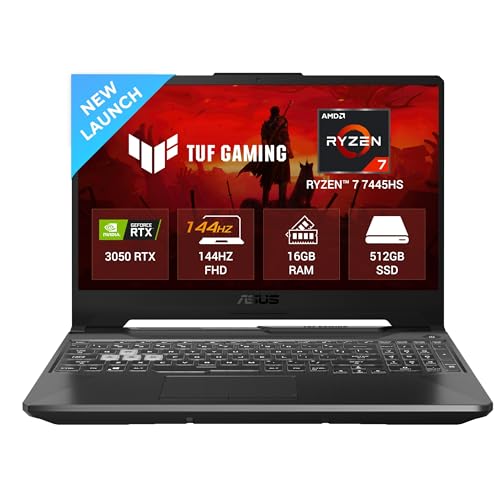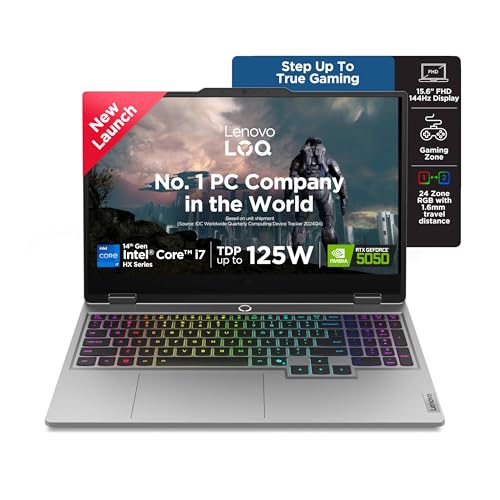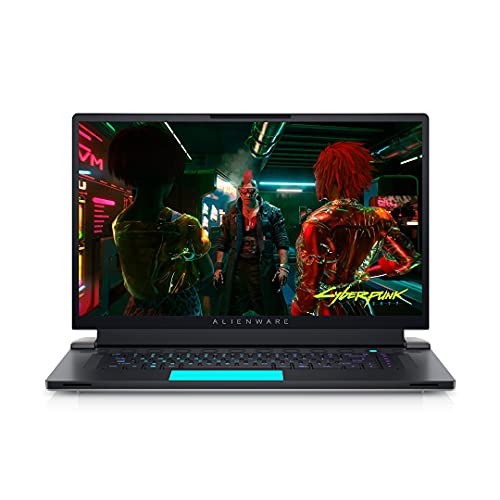
Deciding on the right brand of gaming laptop is a significant decision that more often comes down to a handful of leading names in the industry. Looking at ASUS, Lenovo, and Dell, you're essentially comparing three different approaches to gaming hardware. ASUS, through its ROG (Republic of Gamers) and TUF product lines, is a brand that is widely recognized for its commitment to performance optimization and feature rich offerings. Lenovo, especially with its Legion lineup, manages to deliver an excellent mixture of strong performance, elegant design, and in many cases, even better value for the money. Dell, mainly through its Alienware brand, appeals to the high end market with its distinctive, bold designs and top notch build quality. This brand battle will evaluate the characteristics of each brand's gaming products that set them apart from one another, thereby assisting you in making trade, offs regarding power, portability, price, and overall user experience, while also resolving your ASUS Vs Lenovo Vs Dell Gaming Laptop dilemma to choose the exact one that will give you a competitive edge.
More Similar Articles:
5 Best HP 16 GB RAM Laptops For Gaming, Editing, and More
5 Best Windows 11 Laptops for Superior Performance and Long Run Time
ASUS, Lenovo, And Dell: Know What Each Brand Has To Offer
To provide a quick comparative overview of what each brand brings to the competitive gaming laptop market, the table below dissects their core offerings. It highlights the differences in their product lines, design philosophies, proprietary cooling systems, display priorities, and overall value propositions, helping you swiftly evaluate ASUS, Lenovo, and Dell's distinct approaches to high-performance gaming.
|
Feature |
ASUS |
LENOVO |
DELL |
|
Primary Series |
ROG (Premium/Pro) TUF (Budget/Rugged) |
Legion (Premium/Pro) LOQ (Entry-level) |
Alienware (Elite/Iconic) Dell G-Series (Budget) |
|
Design |
Aggressive & Experimental. Often includes flashy RGB, secondary screens (Duo), or 2-in-1 designs (Flow). |
Clean & Stealthy. Known for a business-professional look that hides immense power; focus on ergonomics. |
Futuristic & Bold. Alienware features the Legend industrial design with premium materials like magnesium alloy. |
|
Cooling Tech |
Intelligent Cooling. Uses Liquid Metal, Tri-Fan setups, and massive vapor chambers in high-end models. |
Coldfront 6.0. Balanced thermal management that prioritizes quiet fans and consistent performance. |
Element 31. Uses a unique encapsulated gallium-silicone interface and quad-fan systems in the X-series. |
|
Display Focus |
Nebula Displays. Heavy emphasis on OLED and Mini-LED with color accuracy (Pantone Validated). |
PureSight. Focuses on high resolution (2.5K), high refresh rates, and 16:10 aspect ratios across the board. |
High Response. Offers some of the fastest 480Hz+ panels and high-quality QHD+ options with G-Sync. |
|
Software Control |
Armoury Crate. Highly customizable but can feel bloated; offers deep control over per-key RGB and power. |
Lenovo Vantage. Leaner and more intuitive; focuses on AI-driven performance tuning (Lenovo AI Engine+). |
AWCC (Command Center). Recently redesigned for better stability; great for lighting and peripheral syncing. |
|
Price & Value |
Varied. TUF offers some of the best specs-per-unit, while ROG Zephyrus is a luxury spend. |
Mid-to-High Value. Often cited as the best all-rounder for the price, especially during sales. |
Premium. Alienware carries a luxury tax, though the G-series offers a sturdy entry point for Dell fans. |